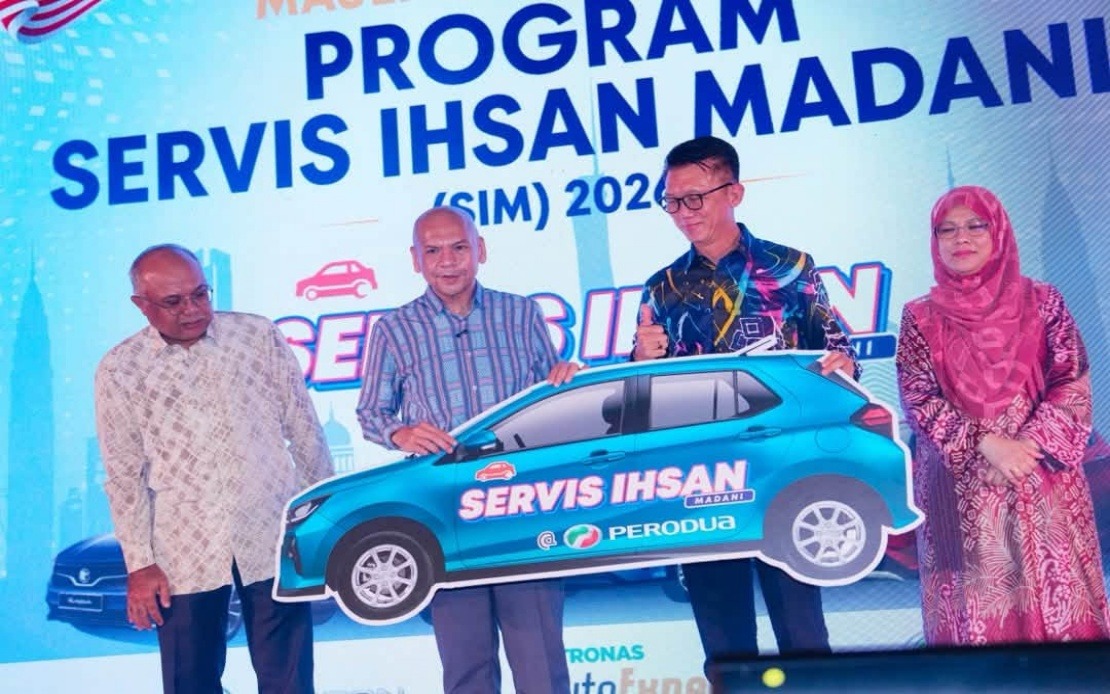
The Ministry of Domestic Trade and Cost of Living has announced a significant expansion of its Service and Maintenance (SIM) subsidy programme, bringing automotive maintenance support to major Malaysian carmakers Perodua and Proton alongside PETRONAS AutoExpert. The initiative, unveiled by Minister Datuk Armizan Mohd Ali on August 27 in Putrajaya, represents a strategic effort to alleviate household expenses during an economically challenging period while simultaneously encouraging responsible vehicle ownership practices across the nation.
Under the expanded scheme, vehicle owners will receive RM70 subsidies when they service their cars at any of the 531 participating outlets scattered throughout Malaysia. The network encompasses 221 Perodua service centres, 186 Proton establishments, and 124 PETRONAS AutoExpert workshops, creating comprehensive geographical coverage that should enable most Malaysian drivers to access the benefit without significant inconvenience. This scale of operation underscores the government's commitment to making the programme genuinely accessible to the general population rather than limiting it to urban centres or major cities.
Consumers interested in utilising the subsidy must book their maintenance appointments through the mobile applications operated by each service provider respectively. This digital-first approach reflects contemporary service delivery expectations and reduces administrative overhead, though it does presume adequate smartphone access and digital literacy among participants. The government has ensured that the application-based booking system integrates seamlessly with each operator's existing infrastructure, minimising friction for both customers and service centre staff managing the subsidy claims.
Armizan characterised the programme extension as part of the broader Payung RAHMAH MADANI initiative, which encompasses multiple cost-of-living relief measures rolled out under the Malaysia MADANI framework. The government frames these initiatives as direct translations of its "Kesejahteraan Dinikmati" (Shared Prosperity) commitment, positioning automotive maintenance support within a larger constellation of consumer protection and affordability efforts. This contextualisation signals that the SIM expansion represents just one component of a multifaceted approach to cushioning household budgets across various consumption categories.
Beyond the immediate financial relief provided to vehicle owners, the ministry emphasises that regular maintenance encourages drivers to keep their vehicles in optimal mechanical condition. This preventative approach reduces the risk of unexpected breakdowns that could compromise road safety or necessitate costlier emergency repairs. For fleet operators, taxi drivers, and other professionals dependent on vehicle reliability, the subsidy creates a tangible incentive to maintain scheduled servicing intervals, ultimately benefiting both individual safety and broader traffic management objectives. The government's dual messaging—affordability combined with safety emphasis—attempts to frame the subsidy as a public health measure rather than purely an economic handout.
The timing of this announcement coincides with National Day and Malaysia Day (HKHM) 2026 celebrations, with the ministry incorporating the SIM expansion into broader festivities at the departmental level. These celebrations included various promotional activities such as the National Month RAHMAH MADANI Sales Programme, the Batik Hues Exploration Competition, and the Patriotic Challenge: I Love Malaysia competition. This packaging of the maintenance subsidy within patriotic and celebratory contexts seeks to cultivate positive public sentiment around government initiatives while demonstrating responsive governance aligned with national occasions.
Parallel to the SIM programme expansion, KPDN's strategic industry partners are unveiling complementary benefits designed to compound relief across consumer spending categories. TikTok Shop Malaysia announced the Jualan Ihsan RAHMAH 9.9 online sale scheduled for September 9, featuring discounts ranging from 10 to 30 per cent on essential consumer goods. This coordinated approach between government and private sector partners creates multiple touchpoints where consumers can access cost savings, maximising the cumulative impact of relief measures during the National Month period and extending these benefits into Malaysia Day celebrations.
Prime Minister Datuk Seri Anwar Ibrahim previously announced the Jualan Ihsan RAHMAH 9.9 initiative as a government-supported online shopping event, mobilising various ministries and private sector partners to ensure broader participation and consumer benefits. The September 9 launch date strategically positions the online sale to overlap with Malaysia Day festivities, creating a prolonged period of promotional activity that sustains cost-of-living relief messages throughout late August and early September. This temporal clustering of announcements and programme launches demonstrates coordinated messaging across government agencies and commercial partners.
For Malaysian consumers, the combined effect of automotive maintenance subsidies and essential goods discounts addresses immediate household budget pressures in multiple dimensions. Vehicle ownership represents a substantial ongoing expense for most Malaysian households, particularly in regions where public transportation remains limited or unreliable. By reducing maintenance costs through direct subsidies, the government directly increases disposable household income available for other priorities, whether education, healthcare, or savings. The RM70 subsidy, while modest in absolute terms, becomes meaningful when aggregated across multiple maintenance visits annually.
The programme also reflects evolving government strategy in engaging private sector partners to implement social policy objectives. Rather than managing the entire subsidy scheme through government apparatus, which would impose administrative burden and implementation risks, KPDN leverages the existing service infrastructure of major automotive brands. This public-private collaboration model reduces bureaucratic overhead while ensuring that the subsidy reaches consumers through established, trusted channels. For Perodua and Proton particularly, participation in the scheme generates consumer goodwill and incentivises brand loyalty during competitive market conditions.
Looking beyond immediate relief measures, the SIM programme expansion signals government recognition that automotive maintenance expenditure deserves policy attention comparable to food, fuel, and telecommunications costs typically emphasised in cost-of-living initiatives. As vehicle ownership has become increasingly prevalent throughout Malaysian society, from urban professionals to rural workers, the government appropriately extends affordability support to this category of essential household expenses. The willingness to subsidise maintenance across multiple automotive brands simultaneously, rather than favouring domestic manufacturers exclusively, demonstrates commitment to consumer choice and competitive market dynamics.
The rollout of these programmes during the National Month period creates symbolic alignment between cost-of-living relief and national identity celebrations. By embedding automotive maintenance subsidies and essential goods discounts within patriotic festivities, the government associates affordability initiatives with broader national prosperity narratives. For voters evaluating government economic performance, such visible relief measures during high-profile celebration periods contribute to perceptions of responsive governance. The integration of commercial partnerships, from PETRONAS to TikTok Shop Malaysia, further amplifies programme reach and underscores collaborative approaches to shared economic challenges.

