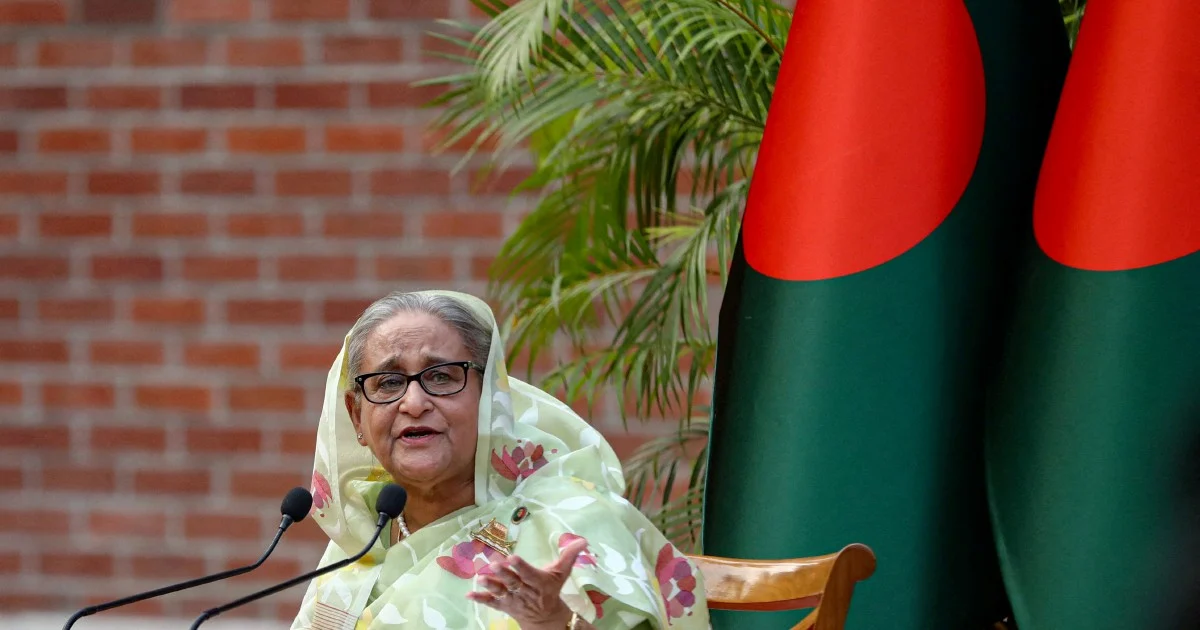
Sheikh Hasina, Bangladesh's ousted Prime Minister currently residing in India, will be taken into custody immediately if she attempts to return home, a senior government official declared on Monday. The warning came after Hasina told international media outlets in recent days that she intended to come back to Bangladesh in December and voluntarily submit herself to judicial proceedings. The stark contrast between her stated plans and the government's unambiguous message underscores the deepening political rupture between the interim administration and the former leader who fled the country amid mass protests earlier this year.
The announcement by the government representative signalled that Bangladeshi authorities will not permit Hasina's return under any circumstances—voluntary surrender or otherwise. This hardline position reflects the gravity of the situation facing the interim government, which has inherited a nation burdened by ongoing investigations into alleged extrajudicial killings, enforced disappearances, and other serious crimes said to have occurred during Hasina's tenure as Prime Minister. The accusations have galvanised significant segments of the Bangladeshi population who view accountability as essential to national reconciliation and democratic renewal.
Hasina's exile in India represents a precarious position for someone who until recently wielded extraordinary executive authority in South Asia's third most populous nation. Her residence across the border with India, a country with which Bangladesh shares complex historical and geopolitical ties, has created diplomatic sensitivities that both governments must carefully navigate. India, typically reluctant to become entangled in the internal affairs of neighbouring countries, has tacitly hosted the former premier without formally acknowledging or celebrating her presence, a delicate diplomatic balance maintained through selective silence.
The government's unequivocal statement about detaining Hasina upon her arrival suggests that the interim administration views her return not as a matter for judicial discretion but as a national security concern requiring immediate governmental action. This approach raises questions about whether the legal process will follow established procedural norms or whether political imperatives will supersede conventional judicial protections. For Southeast Asian observers and international human rights organisations, these developments signal potential challenges to Bangladesh's commitment to rule of law and due process during a critical transitional period.
Hasina's December return timeline, if it proceeds, would represent a dramatic personal gamble for a politician who has spent decades at the epicentre of Bangladeshi politics. During her most recent tenure as Prime Minister, she oversaw significant economic development and infrastructure projects that resonated with urban constituencies, but her government also faced mounting allegations regarding the suppression of political dissent and the elimination of perceived security threats through extrajudicial means. The street protests that ultimately forced her from office in August reflected accumulated grievances across diverse demographic groups, from students demanding better governance to families seeking justice for disappeared relatives.
The interim government's formation followed Hasina's departure and represents a transitional administration tasked with stabilising the country, implementing promised reforms, and presumably laying groundwork for future democratic elections. Within this context, the treatment of Hasina carries symbolic weight far beyond her individual fate. How Bangladesh handles the transition from her administration—whether through genuine accountability mechanisms or perceived vengeful prosecutions—will influence international assessments of the nation's democratic trajectory and its commitment to transparent governance.
International responses to Hasina's situation have remained notably muted, reflecting diplomatic complexity and reluctance among major powers to be perceived as interfering in Bangladesh's internal processes. However, civil society organisations and human rights groups have called for adherence to due process and international standards for fair trial regardless of political circumstances. These voices emphasise that legitimate accountability requires transparent procedures, access to legal representation, and impartial adjudication rather than extrajudicial detention or politically motivated prosecution.
The December timeline that Hasina mentioned creates an artificial deadline that may intensify diplomatic discussions between Bangladesh and India. Should Hasina attempt to cross the border, India would face uncomfortable choices about whether to prevent her departure, facilitate it, or allow her to traverse its territory toward Bangladesh. Any of these options carries potential political consequences for the Indian government, which must balance its traditional role as a regional stabiliser against pressures from Bangladeshi public opinion and the interim government's expectations.
For Malaysia and other Southeast Asian nations observing these developments, Bangladesh's handling of political transition offers instructive lessons about managing post-crisis governance. The region contains several countries with histories of political upheaval and transitions of power, and the precedents established in Bangladesh regarding accountability, rule of law, and reconciliation will inevitably influence how other nations approach similar situations. The warning delivered to Hasina thus carries implications extending well beyond Bangladesh's borders, touching on fundamental questions about how transitional governments balance justice, stability, and democratic legitimacy across South Asia.

