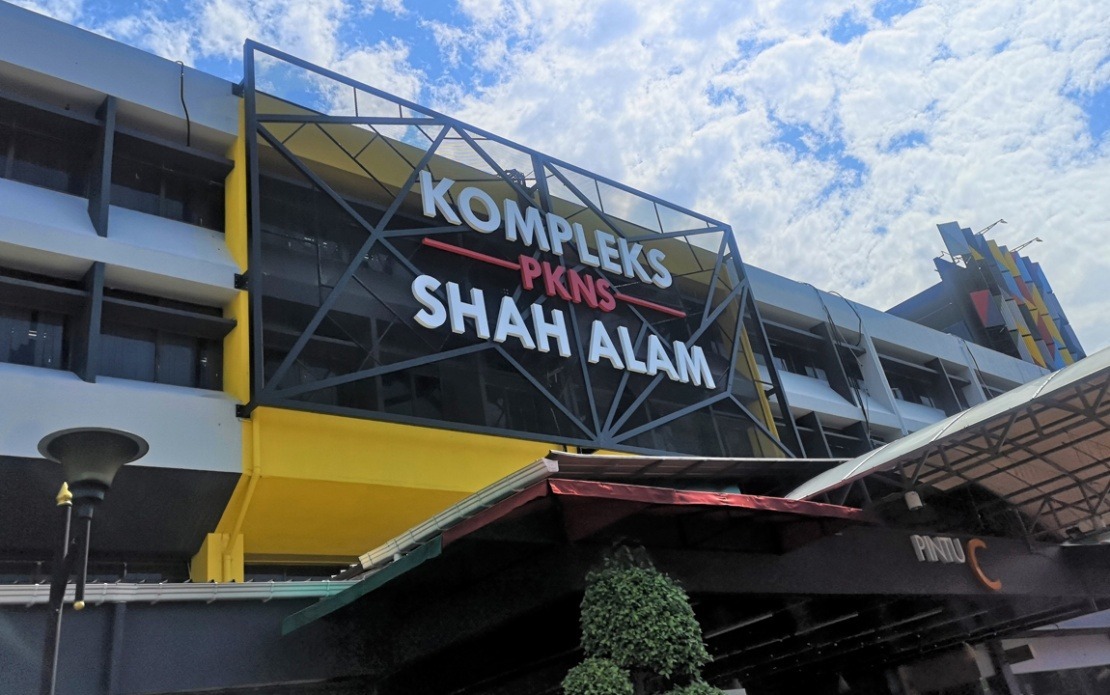
The Shah Alam PKNS Complex swung back into operation on July 3 following a fire incident the previous afternoon, after the Selangor State Development Corporation completed comprehensive safety inspections and remedial work. The facility, a significant commercial and administrative hub in Selangor, had undergone mandatory emergency protocols and facility assessments before management cleared it for public access and business continuity.
According to PKNS, the organization acted decisively to safeguard all individuals present at the complex when the fire broke out. The preliminary investigation by the building's facility management team identified the Air Cooled Package Unit (ACPU) panel within the Air Handling Unit (AHU) room on the first floor as the fire's origin point. This critical finding helped authorities understand how the incident unfolded and enabled targeted inspections to confirm safety across affected systems.
The emergency response proved effective, with the complex management immediately implementing its established crisis protocols. Upon detecting the fire, authorities activated the public address system to direct occupants of Phase 1 through emergency evacuation routes, ensuring orderly departure from the building. Simultaneously, facility operators shut down electricity supply and air-conditioning systems in the affected zone to prevent electrical propagation of the blaze and protect other building systems from compromise.
The Selangor Fire and Rescue Department's rapid intervention contained the fire before it could spread beyond the initial location, mitigating potential damage to the broader complex and averting a more severe emergency. The professional coordination between building management and emergency services demonstrated the importance of regular safety drills and clear communication protocols in commercial facilities. No individuals suffered injuries during the evacuation or subsequent containment effort.
Selangor JBPM Assistant Director of Operations Ashrul Riezal Asbar publicly confirmed that emergency responders had successfully brought the fire under control and that the incident resulted in zero casualties. His statement provided reassurance to tenants, businesses, and the public about the effectiveness of Selangor's fire response capabilities. The absence of injuries highlighted both the speed of the evacuation process and the building's safety infrastructure.
The incident underscores broader concerns about electrical and mechanical systems in large commercial complexes across Malaysia. Air-cooled package units are commonplace in office and retail buildings throughout Southeast Asia, making equipment maintenance and regular inspections essential preventive measures. Many facility managers in the region have begun implementing more rigorous inspection schedules for ACPU systems following similar incidents in neighbouring countries, recognizing that component failure can escalate rapidly in modern buildings with high occupancy rates.
While PKNS moved swiftly to restore operations, the fire highlighted the vulnerability of critical infrastructure in older commercial developments. The Shah Alam PKNS Complex, serving as headquarters and office space for numerous government-linked companies and private enterprises, represents significant economic and administrative importance to Selangor's business landscape. Extended closures would have disrupted service delivery and commercial activity across multiple organizations based within the complex.
The Selangor Fire and Rescue Department continues its formal investigation into the fire's precise cause, examining whether the ACPU panel failure resulted from manufacturing defect, inadequate maintenance, age-related degradation, or operational overload. This investigation will likely influence future safety directives for similar installations across Selangor and potentially inform national building codes regarding electrical equipment in air-handling systems.
The incident serves as a reminder for property owners and facility managers throughout Malaysia to prioritize preventive maintenance and regular equipment inspections. Many fires in commercial buildings originate from overlooked or deferred maintenance of mechanical systems, particularly in areas not directly accessible to regular building staff. The quick identification of the ACPU panel demonstrates the value of thorough preliminary investigations and the expertise that in-house facility teams bring to emergency response.
Business continuity planning has become increasingly important for Malaysia's commercial sector, and this incident illustrates how swift recovery and transparent communication can minimize disruption. PKNS's clear public statements about safety measures and operational status helped maintain confidence among tenants and visitors. Other major commercial developments may use this case study to review their own emergency preparedness protocols and facility maintenance schedules.
Looking forward, the incident may prompt broader discussions within Selangor's commercial property sector about upgrading aging mechanical systems and implementing enhanced monitoring technologies for critical infrastructure. Smart sensors and automated shutdown systems are becoming more affordable and accessible, offering property managers better real-time visibility into equipment conditions before failures occur.
The successful containment and rapid return to operations at the Shah Alam PKNS Complex reflects well on both the building's design features and the emergency response infrastructure in Selangor. However, the underlying cause remains under investigation, and the findings could have implications for facility management standards across Malaysia's commercial real estate sector.

