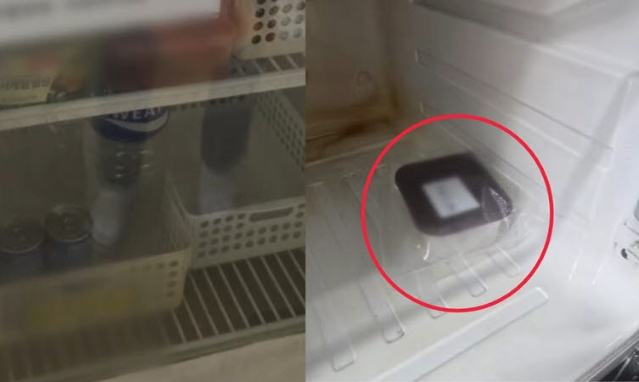
South Korean health authorities have launched an investigation into a Seoul nursing hospital following the discovery of a patient's severed toe stored in the facility's kitchen refrigerator, prompting renewed scrutiny of medical waste management practices and patient safety standards across the nation's healthcare system. The incident, which came to light in August, has drawn attention to lapses in both regulatory compliance and institutional accountability within the healthcare sector, particularly concerning vulnerable populations in long-term care facilities.
The toe, preserved in a disposable porridge container, had remained in the refrigerator for approximately two weeks before being discovered by visiting family members. The severed digit belonged to a patient in his 60s who has an intellectual disability and had resided at the facility for a decade. The family's discovery during a routine visit has exposed troubling gaps in how the hospital managed both the medical emergency and the subsequent biological material, raising concerns about whether standard protocols were followed or if shortcuts were taken due to institutional constraints.
According to reports, the amputation occurred in March when hospital staff told the family that the patient had fallen while being transferred to a bathing area via wheelchair. The staff attributed the loss of the toe to this incident, explaining that the digit had already been compromised by skin necrosis, a condition where tissue dies due to lack of blood supply. However, this explanation masks a deeper problem: the hospital's own records documented a foot ulcer diagnosis dating back to December, yet the patient's family had never been informed of this serious complication, suggesting a significant breakdown in communication between medical professionals and the patient's guardians.
The storage arrangement directly contravenes South Korea's Waste Control Act, which mandates that all medical waste be kept in specifically designated containers designed for biological material. Beyond this regulatory violation, storing human tissue in a food preparation refrigerator alongside beverages and condiments potentially violates food sanitation laws designed to prevent contamination and cross-contamination. These dual infractions underscore how the hospital's response to the amputation created multiple layers of non-compliance with fundamental health and safety regulations.
When questioned about the incident, hospital administrators offered a justification that sheds light on the institutional challenges facing some South Korean medical facilities. Officials claimed they lacked an appropriate container for storing the severed toe and argued that a nursing staff member made the decision to refrigerate it as an emergency measure to preserve the tissue. This explanation, while attempting to provide context, does not absolve the hospital of responsibility—it instead highlights either inadequate preparation for medical emergencies or a troubling willingness to circumvent established protocols when deemed inconvenient.
The case is particularly concerning given the patient's vulnerability. An individual with intellectual disabilities living in long-term institutional care may have limited ability to advocate for himself or report mistreatment or neglect. The family's lack of knowledge about the pre-existing foot ulcer suggests that the hospital may have failed to maintain proper communication standards with guardians responsible for consenting to treatment and monitoring the resident's health. This communication failure is as significant as the storage violation, as it prevented the family from understanding the patient's deteriorating condition or making informed decisions about his care.
The foot ulcer documented since December represents a chronic condition requiring careful wound management and preventive measures to avoid precisely the kind of complications that resulted in the amputation. That this condition progressed to tissue death and eventual loss suggests either inadequate medical oversight, insufficient preventive care, or both. For families of patients in long-term care facilities, such revelations raise uncomfortable questions about the level of vigilance hospitals maintain when caring for individuals unable to report problems independently.
The Health Ministry's decision to request that local government authorities conduct an administrative investigation indicates that South Korean health regulators are taking the matter seriously and view it as potentially symptomatic of broader systemic issues. An administrative investigation will likely examine not only the specific incident but also the hospital's standard operating procedures, staff training records, equipment inventory, and communication protocols. The investigation may also assess whether similar violations have occurred at this facility previously and whether comparable problems exist at other long-term care institutions across Seoul and the broader region.
For Southeast Asian readers, this incident carries relevance beyond South Korea's borders. Many countries in the region operate similar nursing homes and long-term care facilities, and medical waste management remains inconsistently regulated across different jurisdictions. The case serves as a cautionary reminder that developing healthcare infrastructure requires constant vigilance, that vulnerable populations in institutional settings require robust oversight mechanisms, and that regulatory compliance is not merely bureaucratic red tape but rather a safeguard for patient dignity and safety. It also underscores how communication between healthcare providers and families functions as a crucial accountability measure.
The broader implications concern how healthcare systems balance resource constraints with regulatory compliance. Hospitals claiming they lack appropriate containers for medical waste storage cannot simply improvise by using food refrigeration equipment—doing so creates health hazards and violates established standards. This case will likely prompt reviews of equipment adequacy across similar facilities and may result in strengthened training requirements for staff handling medical emergencies involving tissue loss or amputation.
Long-term care facilities in South Korea and the region more broadly will likely face increased scrutiny following this incident. Administrators and policymakers will be reminded that patients with chronic conditions require comprehensive documentation, regular family communication, and proactive preventive measures. The incident also highlights the importance of whistleblower protections and encourages families to maintain vigilant oversight of relatives in institutional care, particularly those with disabilities who may be unable to report problems themselves.

