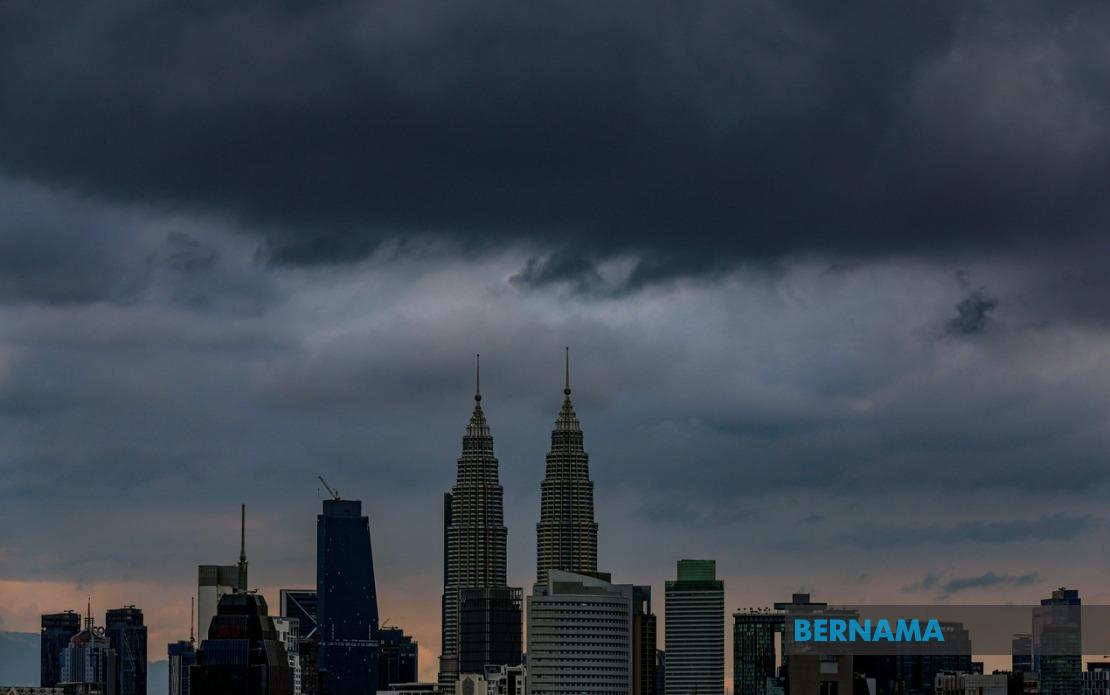
The Malaysian Meteorological Department has issued an alert for severe thunderstorms and heavy rainfall expected to impact a significant portion of the country, with the warning set to remain in effect until 7 pm on June 28. The weather system encompasses not only the federal territories of Kuala Lumpur and Putrajaya but also extends across numerous administrative districts in ten states, reflecting the widespread nature of this meteorological disturbance. The advisory specifically cautions residents and commuters in affected areas to remain vigilant against strong wind gusts that may accompany the precipitation.
In the northern region, Perlis faces the full brunt of the adverse conditions, while the states of Penang, Kedah and Perak are experiencing variable impacts depending on location. Within Kedah, the departments most affected include Langkawi, Kubang Pasu, Padang Terap, Kuala Muda and Kulim, indicating that the island tourist destination and surrounding mainland districts are under weather watch. In Perak, the warning covers both highland and lowland areas, spanning Hulu Perak, Kuala Kangsar, Manjung, Kinta, Perak Tengah, Kampar and Bagan Datuk, suggesting the system affects the entire state width from interior regions to coastal zones.
Kelantan's Gua Musang district is caught within the weather system's eastern progression, while across the South China Sea approaches in Terengganu, multiple districts face simultaneous threats. The affected areas in Terengganu include Besut, Setiu, Kuala Nerus, Hulu Terengganu and Dungun, which together represent both coastal and inland communities. Similarly, Pahang experiences disruption across its interior and eastern reaches, with Cameron Highlands, Raub, Bentong and Rompin all listed as areas expecting turbulent conditions. This distribution indicates the system is moving across the country's central spine, catching both mountain and valley communities.
The situation in Selangor, which surrounds the federal territory of Kuala Lumpur, demonstrates how metropolitan areas and their surrounding suburbs are equally vulnerable. The warning spans Hulu Selangor, Gombak, Petaling, Kuala Langat, Hulu Langat and Sepang, meaning commuters and businesses across Greater Klang Valley should prepare for disruptions. For a state with the nation's highest population concentration and critical infrastructure, such weather events warrant serious attention from traffic authorities and public safety agencies.
East Malaysia faces an equally serious situation with extensive coverage across Sarawak's multiple divisions. The Kuching Division suffers impacts in both Bau and Kuching municipalities, while Serian, Samarahan and Sri Aman are affected. Further south, Betong experiences the severe weather, and moving northeast, Sarikei faces similar conditions. The Sibu Division's Selangau district is implicated, as is the Kapit Division encompassing Song and Kapit. The Bintulu Division's Tatau and the Miri Division covering Subis and Miri complete Sarawak's affected roster, indicating the warning blankets most major population centres across the state.
Sabah's involvement extends the warning to Malaysian Borneo's eastern territory, with Interior Division's Keningau and Tambunan facing the system, while the West Coast Division's Ranau district deals with concurrent weather threats. The Sandakan Division bears perhaps the heaviest burden in Sabah, with Telupid, Kinabatangan, Beluran and Sandakan all under advisory, affecting both inland communities and the peninsula's eastern port city. The geographic spread across both major East Malaysian states underscores this system's reach and intensity.
For residents and organisations across affected areas, the meteorological warning carries practical implications for daily operations. The combination of thunderstorms, heavy precipitation and strong winds creates hazards for transportation networks, construction sites and outdoor activities. Flash flooding becomes a realistic concern in low-lying areas and along watercourses, particularly where drainage infrastructure cannot cope with rapid rainfall accumulation. The lightning threat during thunderstorms presents additional danger to communities without adequate shelter.
The timing of this warning—expiring at 7 pm—suggests the system is expected to move through the affected regions within a defined timeframe. However, such forecasts may be subject to adjustment if atmospheric conditions change more rapidly or slowly than anticipated. Residents should monitor official updates from the Malaysian Meteorological Department for any extensions or modifications to the warning period.
From a weather pattern perspective, this widespread system likely reflects a significant atmospheric disturbance, possibly associated with monsoon influences or convergence zones typical of Malaysia's tropical climate. The simultaneous impact across such diverse regions—from Perlis in the northwest through the Klang Valley to Sarawak and Sabah—indicates organized convective activity rather than scattered local thunderstorms. This organised nature makes the warning particularly important for preparedness planning.
Businesses dependent on reliable transportation or outdoor operations should consider adjusting schedules or implementing contingency plans during the warning period. Schools and educational institutions may need to prepare for potential dismissals or schedule changes. Utility companies should position maintenance teams to address potential infrastructure damage from high winds or lightning strikes. Emergency services across all affected states would be well-advised to increase staffing levels and readiness during this timeframe.

