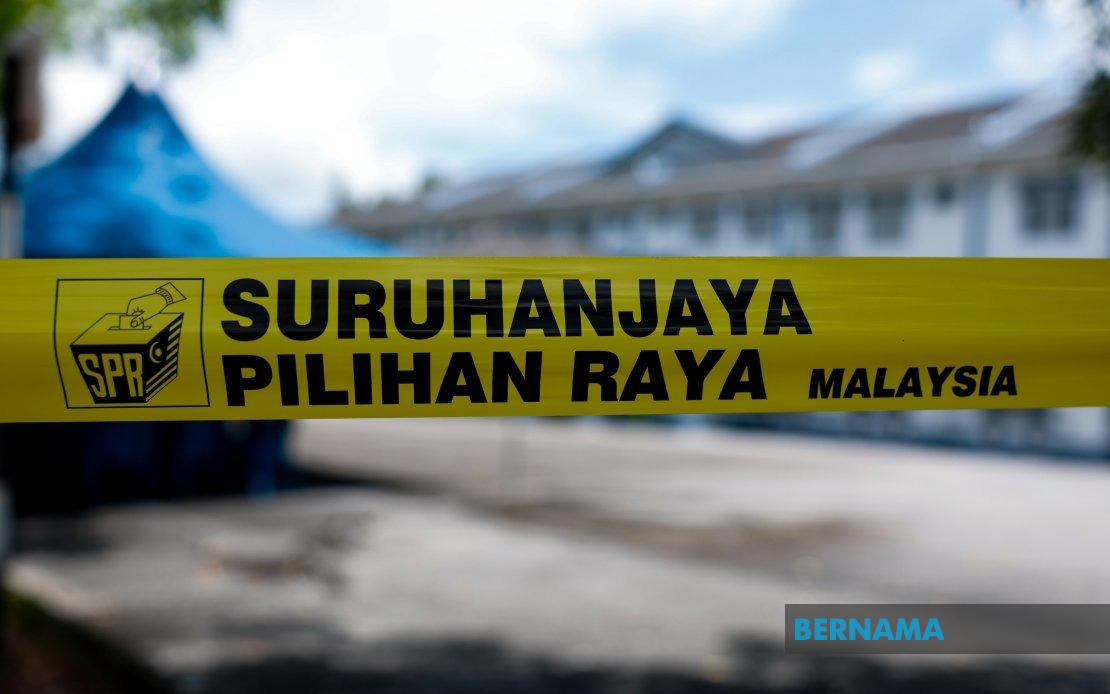
Police in Negeri Sembilan have initiated seven separate investigations into election-related offences during the ongoing campaign period for the 16th state election, according to state police chief Datuk Alzafny Ahmad. The announcement came as authorities intensify their monitoring of political activities across the state ahead of polling day on August 1.
Two of the investigation papers were registered yesterday under Section 427 of the Penal Code, which addresses mischief causing loss or damage to property. This particular offence category appears to be a recurring concern during campaign periods, when political rivalry can occasionally spill over into vandalism or destruction of campaign materials. Authorities have not disclosed specific details about these incidents, but the provision typically covers deliberate damage to rival parties' billboards, posters, or other physical assets.
The police force received a cumulative total of 12 reports classified as election-related offences between July 18 and 22, highlighting the steady stream of complaints flowing to law enforcement during this critical phase of the campaign. This five-day period represents roughly one report every eight hours, suggesting that electoral violations remain a persistent challenge for authorities managing competitive state elections in Malaysia. The volume of complaints reflects heightened political activity and the increased potential for disputes when multiple parties vie for voter support across 36 constituencies.
Permit applications for political ceramahs and campaign activities continue to flow through official channels. On the day of the announcement, authorities approved 53 fresh applications, bringing the cumulative total of approved permits to 226 since the campaign began. This steady approval rate indicates that most political parties are following established procedures for organising campaign events, though the large absolute numbers underscore the intensity of the electoral race. The permitted activities include rallies, roadshows, and community engagement events that form the backbone of modern Malaysian electoral campaigns.
Datuk Alzafny emphasised that all political programmes remain under continuous police surveillance to ensure compliance with electoral laws and protection of public safety. The monitoring encompasses various concerns including potential for disorder, breaches of campaign financing rules, and unauthorised campaign activities. This supervisory role extends beyond merely reacting to complaints; police are actively observing campaign spaces to prevent violations before they escalate. The approach reflects lessons learned from previous elections where inadequate monitoring contributed to heated confrontations between rival camps.
The police chief warned that stern enforcement action would be applied consistently against any violation of electoral regulations throughout the remainder of the campaign period. This declaration of zero tolerance aims to deter potential offenders and signal to the public that election laws carry real consequences. The credibility of such warnings depends on consistent enforcement across all political parties, regardless of their size or influence—a challenge that sometimes tests police neutrality in competitive electoral environments.
Authorities appealed to the general public to maintain compliance with election laws while respecting the democratic process. This framing positions law-abiding behaviour as essential to protecting democratic values, not merely as police enforcement targets. By appealing to voters' sense of civic responsibility, authorities seek to foster voluntary compliance rather than relying entirely on detection and punishment. The emphasis on cooperation between police and the public reflects recognition that election peace ultimately depends on participants' commitment to orderly conduct.
The Election Commission has scheduled early voting for July 28, providing advance polling opportunities for those unable to vote on the main election day of August 1. This compressed timeline means the campaign period is relatively brief, concentrating political activities into a narrow window. For security planners, this intensity increases the pressure on police resources and their capacity to manage multiple simultaneous events across the state. The concentrated schedule also means that any significant incidents could receive amplified attention and have outsized impact on electoral atmosphere.
Negeri Sembilan's 36 constituencies will determine the composition of the state assembly following this election. Previous contests in the state have demonstrated the competitiveness between Barisan Nasional and Pakatan Harapan coalitions, creating electoral stakes that motivate aggressive campaigning. This competitive environment provides context for understanding why election offences occur—the passion and resource intensity surrounding close contests can occasionally lead participants to cross legal boundaries. Police efforts to manage this environment must balance protection of electoral integrity against allowance for vigorous political competition.
The nature of reported offences provides insight into common electoral law violations in Malaysian elections. Property damage cases suggest that campaign material destruction remains a concern, while the unspecified nature of other investigation papers hints at diverse violations including potentially unlawful assembly, defamation, or campaign financing irregularities. The diversity of offence categories indicates that electoral law compliance challenges span administrative, conduct, and financial dimensions. Understanding these patterns helps explain why election administration requires ongoing vigilance and why police resources must address multiple compliance fronts simultaneously.

