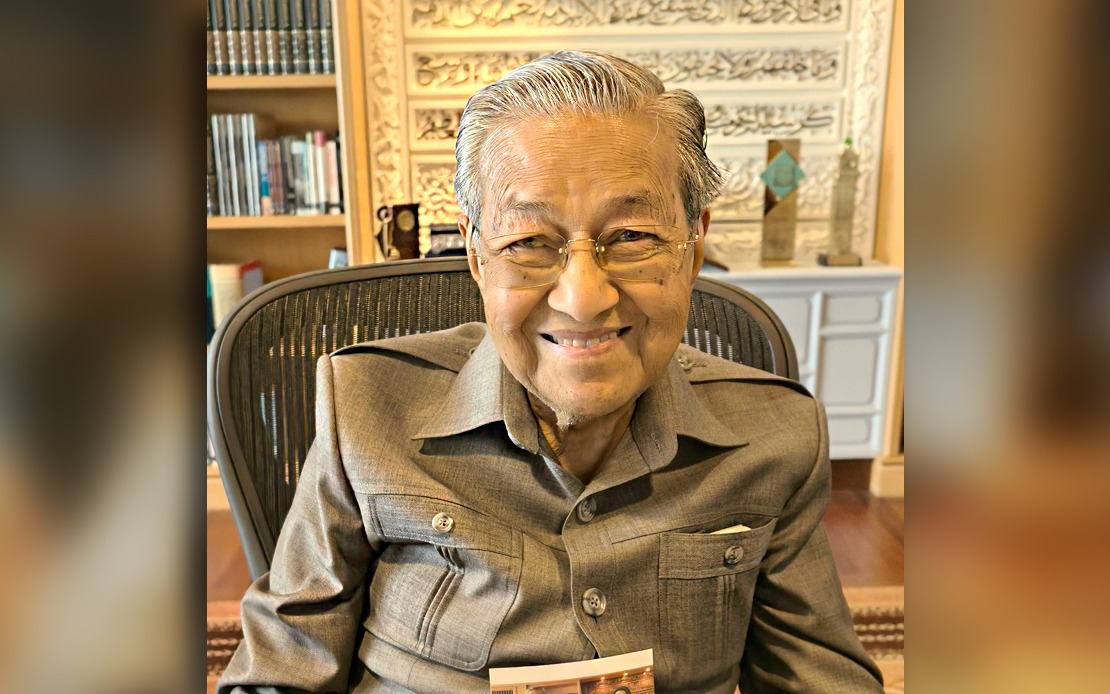
Several prominent members of Malaysia's Cabinet have publicly celebrated the 101st birthday of former Prime Minister Tun Dr Mahathir Mohamad, reflecting the continued respect accorded to one of Southeast Asia's most influential political figures. The tributes, shared through social media platforms on July 10, underscore the significance of the milestone and Dr Mahathir's enduring place in Malaysian political discourse, even after stepping down from the highest office.
Communications Minister Datuk Fahmi Fadzil led the public well-wishers, posting a heartfelt message that extended prayers for Dr Mahathir's sustained good health, happiness and a life enriched with blessings. His acknowledgement of the "incredible milestone" reflects broader societal recognition of longevity in public life, particularly for a figure who shaped Malaysia's development trajectory across multiple decades. The minister's tone conveyed genuine warmth rather than mere protocol, suggesting a personal respect that extends beyond formal governmental relationships.
Joining Datuk Fahmi in extending greetings were Minister in the Prime Minister's Department (Law and Institutional Reform) Datuk Seri Azalina Othman Said and Higher Education Minister Datuk Seri Dr Zambry Abd Kadir, both of whom also invoked religious blessings in their messages. The repeated invocation of divine mercy and protection across these ministerial tributes reflects Malaysia's cultural and religious context, where such sentiments carry particular weight in public discourse. The collective nature of these birthday acknowledgements from multiple senior officials indicates an institutional recognition of Dr Mahathir's historical significance to the nation.
Dr Mahathir's birthday marks another year in a remarkably extended public life. Born on July 10, 1925, in Alor Setar, Kedah, he has witnessed Malaysia's entire post-independence journey and played a central role in shaping it. His tenure as Malaysia's fourth and seventh Prime Minister, spanning 22 years from 1981 to 2003, fundamentally transformed the country's economic landscape, industrialisation trajectory and regional standing. The substantial gap between his first and second premierships underscores both his political resilience and the dramatic shifts in Malaysian politics over the intervening years.
Perhaps most remarkably, Dr Mahathir's return to the Prime Minister's office from 2018 to 2020 occurred when he was 92 years old, making him the world's oldest sitting prime minister at that time. This achievement is not merely a statistical curiosity but represents an extraordinary testament to his physical vitality and mental acuity, qualities that have become increasingly central to his public identity in recent years. For many Malaysians, his continued engagement with political matters at such an advanced age challenges conventional assumptions about age and capability.
Reaching 101 years places Dr Mahathir among an extraordinarily select group of global leaders and political figures who have lived to such an advanced age while remaining active in public discourse. His longevity provides a living link to Malaysia's pre-independence era and the early decades of nation-building, offering historical perspective that few contemporaries can match. The cabinet ministers' acknowledgement of his birthday implicitly recognises this historical function he continues to serve within the national consciousness.
The birthday tributes also arrive at a moment when Dr Mahathir has periodically re-emerged as a public commentator on contemporary issues, particularly matters related to governance, institutional reform, and Malaysia's regional position. His observations, whether welcomed or controversial, continue to command attention due to his unparalleled experience and the transformative impact his policies exerted on the nation. The respectful tone of the ministerial greetings reflects this complexity—acknowledging both his historical achievements and his position as an elder statesman whose voice remains relevant to ongoing national debates.
From a broader Southeast Asian perspective, Dr Mahathir's achievement carries significance beyond Malaysia's borders. His leadership style and economic policies influenced neighbouring countries' development strategies and regional relationships. Reaching 101 in reasonably good health and with continued public relevance sets him apart among post-independence Asian leaders, many of whom passed away decades ago. The attention paid to his birthday by Malaysia's current government officials signals respect for the institutional legacy he created, irrespective of contemporary political disagreements.
The fact that multiple Cabinet ministers took time to publicly acknowledge the occasion through social media demonstrates how political culture in Malaysia has adapted to digital communication while maintaining traditional respect for age and experience. These weren't perfunctory mentions but substantive messages conveying genuine sentiments, suggesting that Dr Mahathir's role in Malaysian politics transcends partisan divisions to some degree. Such broad-based acknowledgement is rare for figures of his era, indicating his unique status in national memory.

