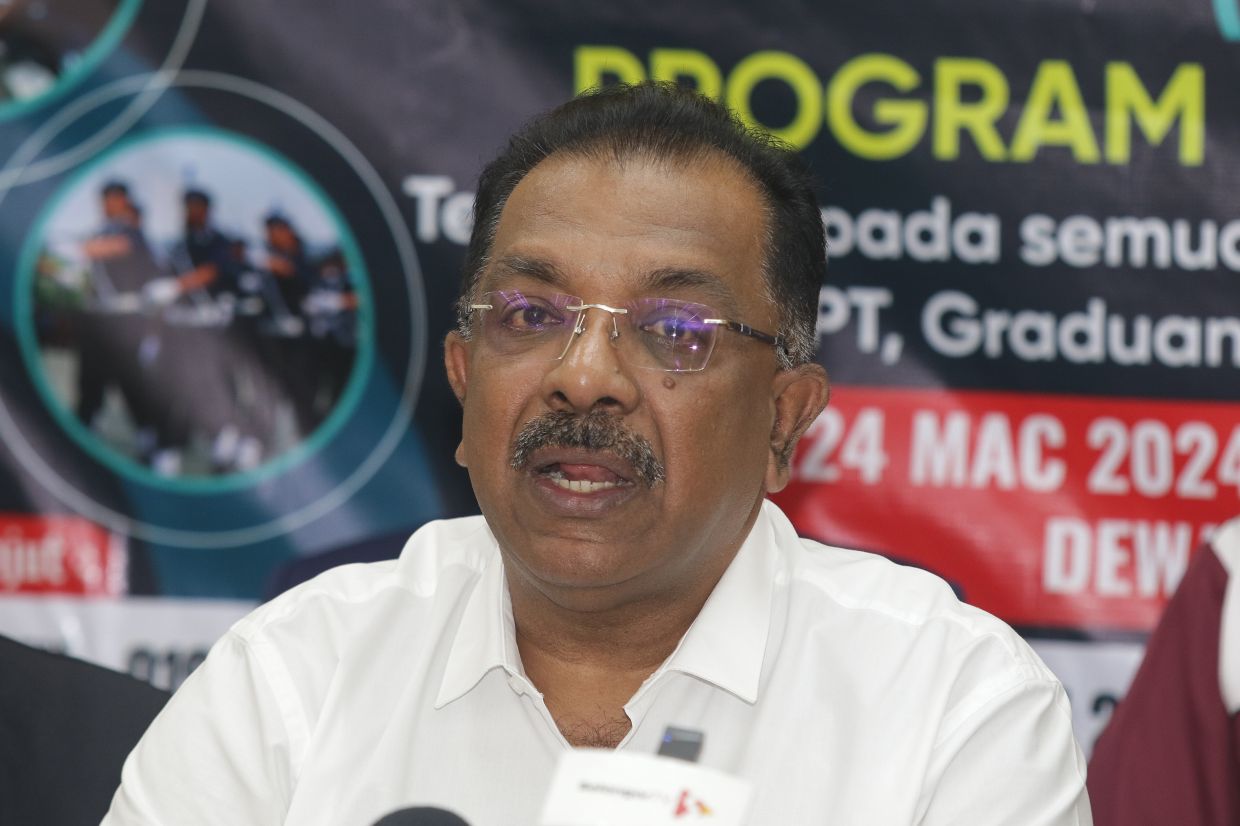
The need for a comprehensive and formally organised system to resolve disputes affecting non-Muslim places of worship in Selangor has been highlighted by Sentosa assemblyman Gunaraj George, who raised the issue during parliamentary debate at the Shah Alam state assembly building on Wednesday. George's intervention reflects growing concerns about the tension between rapid urban expansion and the preservation of established religious sites that serve both spiritual and cultural functions within Malaysian communities.
Many temples and other non-Muslim religious establishments across Selangor have operated for multiple decades, often having been constructed with the explicit consent of landowners during earlier periods when the surrounding areas remained largely undeveloped. These sites emerged organically as local populations grew and communities sought dedicated spaces for worship and religious observance. However, as previously peripheral regions have transformed into bustling residential neighbourhoods and commercial precincts, the legal standing and future of these long-established institutions has become increasingly precarious.
The core difficulty, as George articulated, arises when rapid development initiatives prompt authorities and new stakeholders to reassess the status of these religious facilities. Temples that once operated with local acceptance suddenly find themselves classified as unauthorised structures, triggering enforcement actions and relocation demands. This classification, George argued, overlooks the historical legitimacy and community embededness of these establishments, reducing complex social and religious arrangements to narrow regulatory categories.
George advocated for authorities to adopt a more nuanced investigative approach that considers the full context surrounding individual sites before making consequential decisions about their future. Rather than applying standardised demolition or relocation protocols, he suggested that government bodies should engage in detailed examination of how each place of worship came into existence, what role it plays within its surrounding community, and what legitimate interests require protection.
The assemblyman proposed establishing a formal collaborative framework bringing together the Selangor state government, municipal authorities, property owners, developers, and the elected representatives of religious congregations. Such a mechanism would enable these stakeholders to address issues through structured dialogue rather than adversarial confrontation. By creating dedicated channels for discussion, disputes could potentially be resolved through negotiated compromises that satisfy development imperatives while respecting religious heritage.
George identified three distinct categories of problems requiring differentiated solutions. Land ownership disputes necessitate financial and legal discussion between property holders and religious organisations. Planning inconsistencies demand technical expertise from urban planners and local authority officials who can identify alternative arrangements meeting both development and preservation objectives. Structural or safety deficiencies require assessment and remediation by qualified engineers and relevant regulatory agencies.
Critically, George cautioned against hasty judgements that dismiss entire communities and their worship spaces without thorough examination. He emphasised that many disputes stem from bureaucratic misunderstanding rather than genuine incompatibility between development and religious practice. By approaching each situation with historical awareness and genuine commitment to finding workable solutions, authorities could avoid unnecessary confrontation with established faith communities.
The Selangor context carries particular significance for Malaysia's broader approach to religious coexistence. As the country's most urbanised state and economic engine, Selangor's handling of such sensitive matters establishes precedents observed by other states. Demonstrating that rapid development can proceed without sacrificing respect for minority religious spaces would reinforce Malaysia's multicultural identity and provide practical models for other regions experiencing similar pressures.
George's position also reflects recognition that sustainable urban development requires social stability and community buy-in. When residents feel their religious institutions face arbitrary threats, tensions escalate and political polarisation increases. Conversely, inclusive development processes that acknowledge minority concerns build broader consensus and reduce long-term friction. From a purely pragmatic governance perspective, investing in conflict prevention through institutional mechanisms produces better outcomes than managing disputes after they intensify.
The assemblyman's concluding observation—that Selangor need not choose between progress and social harmony—challenges a false dichotomy sometimes presented in development debates. Creating formal mechanisms for addressing these disputes represents not an obstacle to development but rather a prerequisite for the kind of orderly, legally sound urban expansion that attracts continued investment and maintains Selangor's competitive advantages. Such frameworks also protect developers and property owners by clarifying expectations and reducing costly litigation.
Implementing George's proposal would require political will from state and local leadership to institutionalise rather than marginalise religious minority concerns within planning and development processes. This could involve establishing dedicated committees with representation from all stakeholder groups, developing standardised assessment procedures that balance multiple legitimate interests, and creating transparent timelines for dispute resolution. Early intervention in emerging conflicts, before positions harden, offers the greatest potential for reaching mutually acceptable outcomes.
The broader implication extends beyond Selangor. As Malaysia's other states undergo urbanisation, similar pressures on established places of worship will inevitably emerge. Selangor's development of a mature institutional response could provide a replicable model demonstrating that demographic and economic change need not come at the cost of religious freedom and minority protection. Such a demonstration would strengthen Malaysia's standing as a nation capable of balancing development with pluralism.

