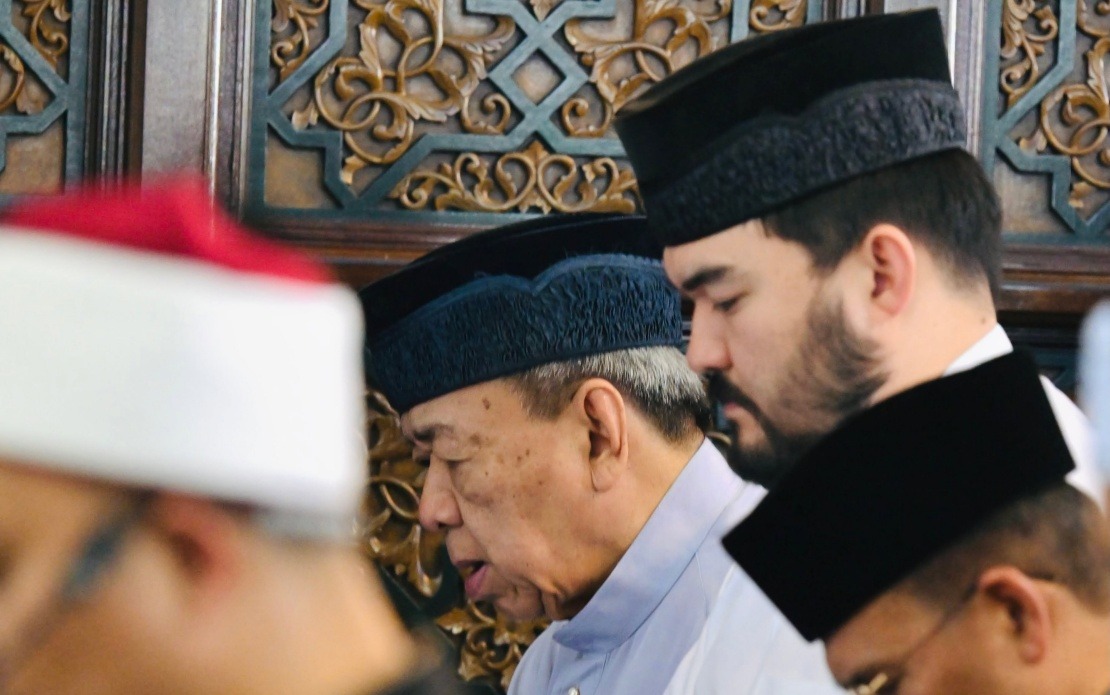
The Sultan of Selangor, Sultan Sharafuddin Idris Shah, has issued a significant religious directive calling on the Muslim community across the state to embrace compassion as a fundamental principle governing their treatment of all animals, from domesticated strays to wild creatures. Delivered through sermons titled 'Ihsan Terhadap Mahkluk Allah SWT' (compassion towards Allah SWT's creatures) that resonated across Selangor's mosques today, the royal message underscores a renewed focus on environmental stewardship as a sacred Islamic duty.
The initiative represents a timely intervention in discussions surrounding animal welfare in Malaysia, where issues ranging from stray dog management to wildlife conservation frequently generate public debate. By positioning animal care within the framework of Islamic teaching, Sultan Sharafuddin seeks to ground environmental responsibility in spiritual conviction rather than mere legal obligation. The royal statement, disseminated through the Selangor Royal Office's official channels, emphasises that religious observance extends beyond human relationships to encompass broader ecological consciousness.
Central to the Sultan's message is the concept of human stewardship over creation. He articulates that inhabitants of the earth carry substantial accountability not merely for other people but for the entire natural world, encompassing animals, vegetation, geological features, and aquatic ecosystems. This framing elevates environmental management from an optional concern to an intrinsic component of faith practice, suggesting that how Muslims treat non-human creatures reflects the sincerity of their spiritual commitment.
The theological foundation for this appeal draws directly from Islamic jurisprudence and prophetic tradition. Sultan Sharafuddin references Prophet Muhammad's documented emphasis on animal welfare, highlighting historical teachings that obligate believers to provide sustenance and water to creatures under their care or, at minimum, to refrain from inflicting harm on any being created by the Almighty. This grounding in classical Islamic sources lends ecclesiastical weight to contemporary animal welfare advocacy, potentially motivating adherence among religiously observant populations who might otherwise view such concerns as secular impositions.
However, the Sultan demonstrates sophistication in recognising that absolute animal protection cannot operate without nuance. He acknowledges that wildlife occasionally presents genuine threats to human safety or causes substantial economic damage to property and livelihoods. Rather than dismissing such instances as falling outside Islamic ethics, he situates them within the framework of Maqasid Syariah—the overarching objectives of Islamic law—which prioritise the preservation of human life and the security of possessions as paramount concerns.
This balancing approach carries particular resonance in Malaysia, where human-wildlife conflict remains an ongoing challenge. Urban expansion has consistently encroached upon natural habitats, generating increasing confrontations between wildlife and residents. Incidents involving snakes, crocodiles, wild boar, and other creatures regularly demand intervention that may result in animal death. The Sultan's articulation provides religious justification for such necessary actions without portraying them as violations of Islamic principles, thereby offering moral clarity to authorities and citizens who must make difficult decisions regarding public safety.
The Sultan's position that compassion towards animals and human safety protection are fundamentally compatible rather than contradictory reflects a mature understanding of Islamic ethics as contextual and proportionate. This perspective can help mediate between increasingly polarised views on animal rights, where hardline positions from either side sometimes claim absolute religious authority. By presenting both animal welfare and human protection as legitimate Islamic values requiring reconciliation rather than the triumph of one over the other, the Sultan models an integrated approach that acknowledges competing goods.
For Malaysian policymakers and administrators, this royal guidance provides valuable religious sanction for developing nuanced animal welfare frameworks. Whether addressing stray dog population management in urban areas, wildlife relocation protocols, or agricultural practices involving livestock, authorities can now reference the Sultan's words to justify evidence-based approaches that prioritise both creature welfare and human interests. The integration of religious teaching with pragmatic governance addresses a frequent challenge in Muslim-majority societies where secular rationalism sometimes conflicts with spiritual conviction.
The broader implication of this sermon extends beyond Selangor's borders to influence attitudes throughout Malaysia's Islamic civil society. As the Sultan's message circulates through social media and religious networks, it has potential to shift community conversations around animal treatment from purely utilitarian or sentimentalist registers toward Islamic ethical frameworks. This cultural shift could facilitate adoption of more systematic animal welfare standards across the nation, from pet ownership practices to commercial animal industries.
The timing of this directive also suggests responsiveness to emerging concerns within Malaysian society regarding environmental degradation and its spiritual dimensions. As climate change and ecosystem collapse increasingly occupy public consciousness, the Sultan's message connects these material crises to the religious obligations of the faithful. By framing environmental stewardship as inseparable from Islamic practice, the royal institution positions itself as relevant to contemporary anxieties while anchoring modern concerns in timeless spiritual principles.
Educational institutions and religious scholars throughout Selangor may leverage this royal pronouncement to develop more comprehensive curricula addressing Islamic environmental ethics. The Sultan's articulation provides a platform for teachers and preachers to expand discussions of Islamic values beyond exclusively human-centred concerns, potentially nurturing a generation more conscious of animals' place within the created order and more deliberate in their ecological choices.
Looking forward, the Sultan's initiative may inspire dialogue among other Malaysian rulers and religious authorities regarding animal welfare as a matter of faith rather than mere regulation. If this perspective gains traction across sultanates and within federal religious bodies, Malaysia could develop a distinctively Islamic approach to animal protection that neither mirrors Western animal rights movements nor dismisses such concerns as incompatible with tradition. Such authenticity in moral discourse frequently proves more persuasive than imported frameworks within deeply religious societies.

