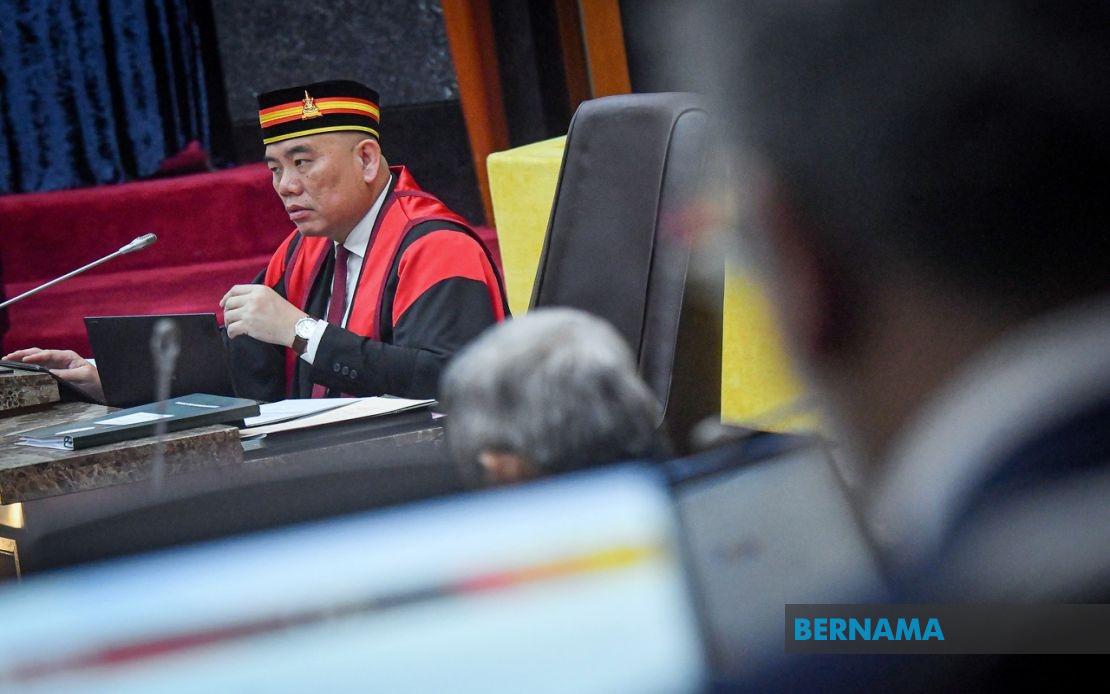
Selangor Speaker Lau Weng San announced on Friday that his office is undertaking a comprehensive examination of the standing of all state assemblymen, with the ultimate aim of determining whether any positions in the Selangor State Legislative Assembly should be formally declared vacant. Speaking at the Wisma Dewan Negeri Selangor in Shah Alam, Lau emphasised that this review encompasses every legislator irrespective of their political party, underscoring the administrative importance of maintaining procedural fairness and constitutional compliance throughout the assessment process.
The Speaker stressed that his office remains in the investigative and monitoring phases of this undertaking, and has not yet established a firm timeline for completion. He explained that the process demands meticulous examination across multiple dimensions, with each case requiring individual attention before any determination can be reached. This methodical approach reflects the need to balance procedural thoroughness with the constitutional obligations governing state assembly operations, particularly given the significance of seat vacancy declarations in triggering potential by-elections.
Lau addressed speculation surrounding the absence of certain assemblymen from Friday's sitting, cautioning against premature assumptions linking their non-attendance to the ongoing review. He noted that absences can stem from numerous legitimate reasons, including health complications and personal circumstances, rather than exclusively from matters under investigation. Without access to official communication from the absent members, drawing conclusions about the relationship between absenteeism and the review would constitute unfounded conjecture, the Speaker suggested, emphasising the importance of awaiting verified information before making public statements.
Under the provisions of the Selangor State Constitution, an assemblyman who accumulates six consecutive months without attending legislative sittings—provided such absence occurs without formal permission or official notification—becomes vulnerable to having their seat vacated by the Speaker. However, Lau clarified that several assemblymen have proactively submitted formal letters explaining their absences and citing justifications such as medical grounds. Each submission will receive individual consideration, ensuring that decisions reflect the particular circumstances of each case rather than applying blanket rules.
The Speaker's statement aligns with earlier remarks from Menteri Besar Datuk Seri Amirudin Shari, who indicated that a definitive resolution regarding one particular state seat was anticipated before the current week concluded. Amirudin noted that the state government remains dependent upon the Speaker's formal notification regarding the seat's status, while simultaneously preparing the groundwork necessary for subsequent procedural steps. The state's legal adviser is reportedly drafting essential documentation that will facilitate referral of the matter to appropriate authorities, including potentially the Election Commission.
The involvement of the Election Commission carries significant implications, as the EC holds responsibility for determining whether a seat declaration necessitates a by-election. Selangor's political landscape has experienced considerable turbulence in recent years, with multiple seat vacancies and by-elections reshaping legislative mathematics and government coalitions. Any additional vacancy would continue this pattern of flux, potentially affecting the stability of the current state administration and the balance of power within the assembly.
For Malaysian observers, this review process exemplifies the constitutional machinery through which state legislatures maintain accountability and procedural integrity. The Speaker's insistence on examining all assemblymen from all parties demonstrates commitment to non-partisan administration of assembly rules, though such comprehensive reviews occasionally intersect with broader political tensions. In Selangor specifically, where competition between coalitions remains intense, any seat vacancy inevitably acquires political dimensions beyond purely procedural considerations.
The wider context involves questions about assemblyman fitness to serve and continuous participation obligations. While the six-month consecutive absence threshold provides a clear constitutional standard, borderline cases frequently demand nuanced judgment calls regarding the adequacy of notification, the legitimacy of stated reasons, and whether particular circumstances warrant exceptions. The Speaker's careful approach suggests recognition of these complexities, with individual assessment potentially yielding outcomes that vary case by case.
Beyond the immediate matter of seat vacancies, the review reflects broader governance questions relevant throughout Malaysia's state assemblies. Ensuring that legislative bodies comprise fully engaged members capable of participating in their duties remains essential to representative democracy. Simultaneously, creating overly rigid standards for attendance risks penalising assemblymen facing genuine hardships. The balance Lau appears to be striking—between respecting constitutional provisions and acknowledging human circumstances—suggests a measured approach to a recurring administrative challenge.
Political observers will closely monitor how this review concludes, particularly given Selangor's strategic importance within Malaysian politics. The state government's apparent timeline of completing determinations this week suggests that further announcements should emerge shortly. Should any seats be declared vacant and by-elections subsequently ordered, the electoral outcomes could influence both state and federal political calculations, making the Speaker's review outcome consequential far beyond the administrative sphere.

