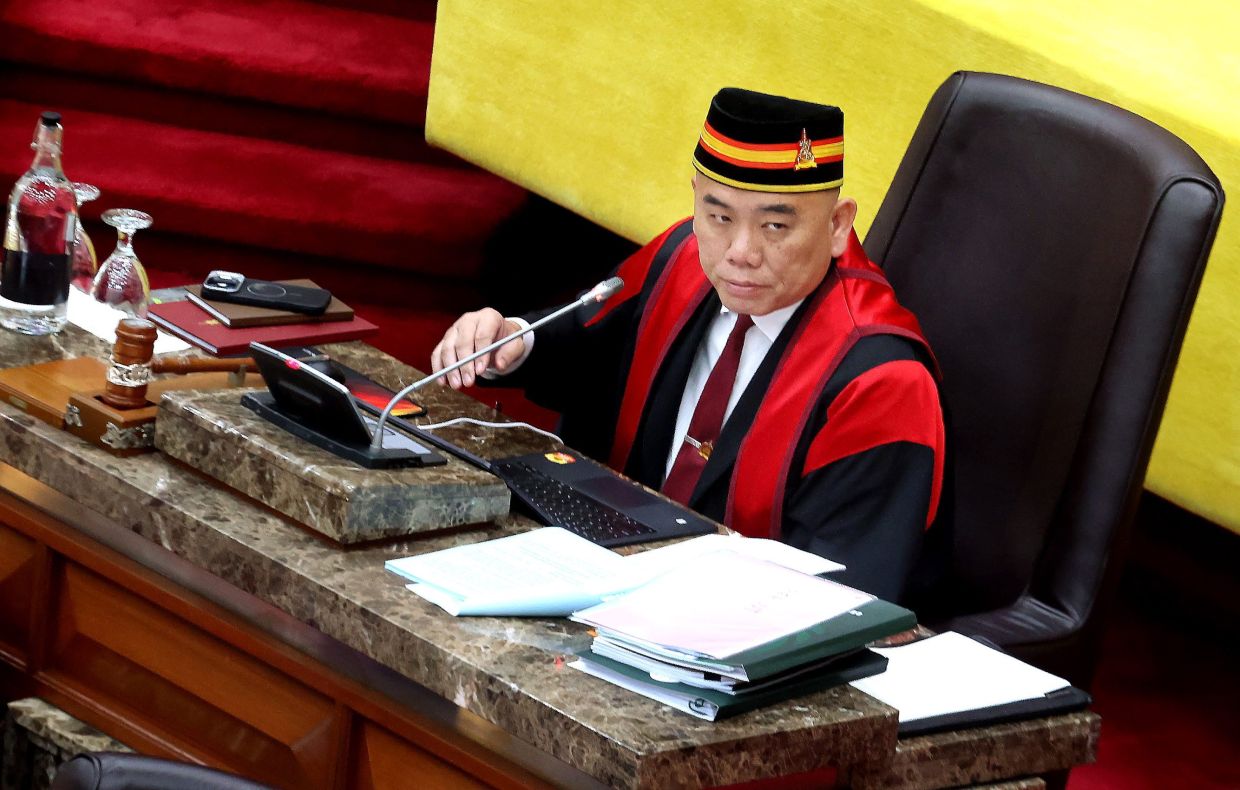
Selangor Speaker Lau Weng San has confirmed that authorities are investigating allegations that a state assemblyman has been declared bankrupt, though he is withholding the lawmaker's identity and details pending completion of the probe. Speaking during Monday's sitting of the Selangor State Legislative Assembly at Bangunan Dewan Negeri Selangor on August 3, Lau indicated that the inquiry remains active and encompasses multiple dimensions of the situation, extending beyond the individual assemblyman to encompass his constituency and other pertinent considerations.
The Speaker's measured approach reflects the sensitivity surrounding potential disqualifications of elected representatives. Under Malaysia's constitutional framework, an individual adjudged bankrupt faces automatic forfeiture of their parliamentary or state assembly seat, as insolvency is considered incompatible with holding elected office. This provision, intended to maintain the integrity of legislative bodies, has been invoked sparingly but carries significant implications for both the affected legislator and the political balance within the state assembly.
Lau refrained from speculating on the investigation timeline, emphasizing that thoroughness takes precedence over speed. "We have to be sure of everything first. We cannot make any assumptions," he stated, signalling that the Speaker's office would not rush to judgment despite potential pressure from various quarters. This cautious stance acknowledges the gravity of declaring a seat vacant, an action that can reshape parliamentary dynamics and trigger electoral procedures with broader political consequences.
The Speaker clarified that the ultimate determination of whether a by-election becomes necessary rests with the Election Commission rather than the state assembly. This delineation of authority underscores the separation of powers governing such matters in Malaysia's constitutional democracy. The Election Commission possesses the statutory mandate to assess whether a vacancy warrants a by-election or whether other procedures should apply, depending on the constitutional and electoral circumstances involved.
When pressed on whether the assemblyman in question might have been absent from Monday's proceedings, Lau noted that legislators miss sittings for legitimate reasons ranging from medical emergencies to official duties. This observation proved relevant, as unexplained absences can sometimes signal underlying complications. However, he emphasized that the assembly maintains formal procedures for addressing chronic non-attendance. Under the Selangor State Constitution, a Speaker may only declare a seat vacant if an assemblyman fails to attend sittings for six consecutive months without submitting proper notification to the Speaker beforehand.
Lau drew a parallel to a precedent set in February 2023, when the seat of Batang Kali assemblyman Harumaini Omar was declared vacant following sustained absence exceeding six months without authorization. That case illustrated how the assembly's institutional mechanisms function when representatives become unavailable or unresponsive. The Batang Kali by-election that followed demonstrated the tangible electoral consequences of such vacancies, reshaping representation within that constituency and requiring voters to participate in a supplementary poll.
The investigation's scope, as Lau described it, encompasses consultation with multiple stakeholders and examination of various documentary and procedural elements. This comprehensive approach suggests that authorities are examining not merely the bankruptcy allegation itself but also its timing, the circumstances leading to the declaration, and any procedural questions surrounding the assemblyman's continued eligibility and obligations. Such thoroughness, while time-consuming, serves to protect against erroneous decisions that could undermine public confidence in the legislative process.
For Selangor politics, the outcome holds potential ramifications depending on which constituency and which coalition the affected assemblyman represents. The state assembly currently operates with a specific majority configuration following the 2022 state election, and the loss of any seat could theoretically alter voting dynamics on contentious measures. This political dimension partly explains why the Speaker has adopted a cautious public posture, avoiding inflammatory commentary that might prejudge the investigation or inflame partisan tensions.
The bankruptcy issue also reflects broader questions about the financial fitness of elected representatives and their suitability for public office. Malaysian legislators are expected to manage their personal finances responsibly, and insolvency raises questions about judgment and financial acumen that may be relevant to their legislative duties. The automatic disqualification provision represents a policy judgment that individuals unable to manage their own affairs should not be entrusted with stewardship of public resources and policy-making authority.
For ordinary Malaysians and particularly Selangor residents, this matter underscores the importance of electoral accountability and institutional safeguards. The assembly's procedures and the Election Commission's mandate ensure that potential breaches of eligibility criteria do not go unaddressed indefinitely. Whether through formal investigation or other mechanisms, the system provides pathways to restore public confidence when questions arise about a legislator's continued fitness for office.
The Speaker's refusal to comment further until investigations conclude also reflects recognition that public statements at intermediate stages could prejudice the process or invite legal challenges later. By maintaining institutional discipline and avoiding premature judgments, Lau seeks to ensure that whatever outcome emerges—vindication, clarification, or remedial action—rests on solid evidentiary foundations rather than political positioning. This approach, though frustrating to observers seeking immediate clarity, ultimately serves the long-term credibility of Selangor's legislative institutions.

