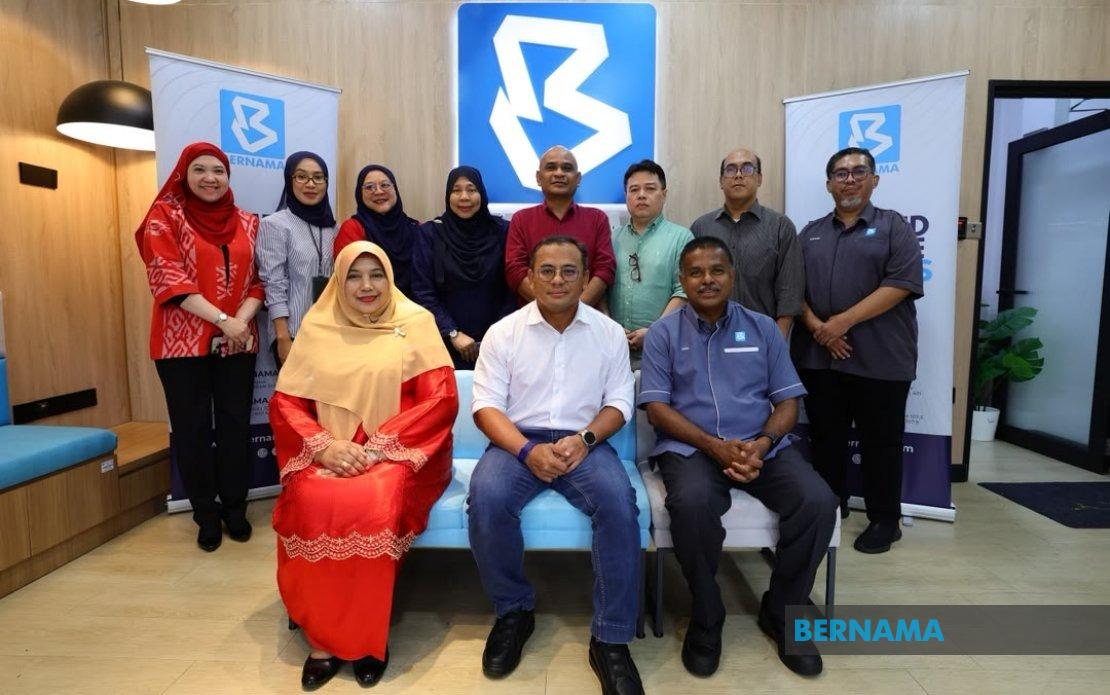
Selangor Menteri Besar Datuk Seri Amirudin Shari made an unannounced visit to the Malaysian National News Agency's Negeri Sembilan operations centre on July 20, offering a rare glimpse into how the nation's official news wire prepares to cover a major electoral campaign. As both the state's chief executive and Pakatan Harapan's national election director, Amirudin's inspection of Bernama's Seremban bureau underscores the critical role that media infrastructure plays in documenting election activities across Malaysia's nine states.
The morning visit, which commenced at 2 pm, demonstrated the hierarchical coordination that occurs during major political events in the country. Amirudin was formally received by Bernama chief executive officer Datin Paduka Nur-ul Afida Kamaludin and editor-in-chief Arul Rajoo Durar Raj, alongside senior management including deputy editor-in-chief of News Services Mohd Shukri Ishak and Negeri Sembilan bureau chief Nursyabiha Sukri. The presence of such high-ranking officials reflected the significance Bernama places on accurate, timely reporting during elections, when public information flows become particularly sensitive and politically charged.
During the tour, Amirudin received an extensive briefing from Negeri Sembilan election coverage coordinating editor Mohd Hisham Abdul Rafar on the agency's newsgathering operations throughout the campaign period. By that point, the 16th Negeri Sembilan state election had already progressed into its third day of active campaigning, meaning Bernama's teams were already managing substantial volumes of candidate statements, rally reports, and political developments across the state. The coordination editor's presentation likely covered workflow logistics, resource allocation, and the protocols Bernama maintains to ensure balanced coverage across competing political narratives during elections.
For Malaysian readers familiar with media scrutiny of elections, understanding how news agencies operate during campaign periods remains crucial. Bernama's election operations rooms function as centralised hubs where reporters feed information from constituencies, editors verify facts against official Election Commission announcements, and gatekeepers decide which stories receive prominence in national bulletins. The infrastructure represents Malaysia's attempt to create standardised election coverage across print, broadcast, and digital platforms, though critics often question whether such centralised systems adequately represent diverse political voices.
The Negeri Sembilan election itself holds particular significance within Malaysia's political landscape. As a Pakatan Harapan stronghold in recent years, the state's results carry implications for the broader federal political balance. Amirudin's involvement as PH's national election director means his constituency operates under heightened scrutiny, with opposition parties watching closely for any perception of state resources being mobilised for campaign purposes. His visit to a government news agency, while potentially routine administrative activity, could invite questions about whether such visits constitute appropriate separation between official duties and campaign responsibilities.
Beyond the political optics, Bernama's election coverage operations represent a significant logistical undertaking. The agency maintains tight scheduling during campaigns, with reporters stationed across constituencies, editors working staggered shifts to maintain continuous coverage, and coordination editors like Mohd Hisham managing information flows that eventually reach millions of Malaysians through partner media outlets. The third day of campaigning, when Amirudin visited, typically represents the period when campaign narratives solidify and early patterns in candidate behaviour become apparent to observers.
The Election Commission's established timeline for the Negeri Sembilan polls—early voting on July 28 and polling day on August 1—shaped Bernama's operational schedule. This condensed calendar meant the agency had less than two weeks from the campaign's commencement to plan comprehensive coverage. For Bernama's Negeri Sembilan team, the pressure intensifies during final campaign days when candidate movements accelerate, unexpected incidents emerge, and news cycles compress. Amirudin's visit, therefore, occurred at a strategically important moment when monitoring Bernama's preparedness made practical sense for PH's campaign apparatus.
Amirudin's scheduled recording session with Bernama TV highlighted another dimension of modern Malaysian political communication. Rather than relying solely on traditional press conferences, senior politicians increasingly seek dedicated interview slots with national broadcasters to directly address campaign issues and respond to opposition critiques. These recorded interviews, broadcast during news bulletins, allow politicians to control messaging while maintaining appearance of spontaneous media engagement. For PH's election director, securing such coverage during the campaign's third week represented essential strategy for maintaining message discipline across coalition partners.
The broader context of digital-age election coverage emerged through Bernama's online portal, where readers could access dedicated Negeri Sembilan election pages at https://prn.bernama.com/n9. This internet presence reflects how Malaysian news consumption has shifted, with younger voters increasingly checking online sources rather than waiting for evening news broadcasts. Bernama's web operations team would have collaborated with the Seremban bureau to ensure that breaking campaign developments reached digital audiences within minutes, not hours, of occurrence.
For Southeast Asian observers, Malaysia's structured approach to election coverage differs markedly from regional neighbours with less formalised media regulation. While Bernama's role in maintaining balance during elections reflects official commitment to orderly information provision, questions persist about whether government news agency structures adequately protect editorial independence from political pressure. Amirudin's visit, though presented as routine administrative activity, inevitably raises such considerations among media scholars and political commentators monitoring Malaysian democratic processes.
The practical implications for Malaysian voters centred on whether Bernama's coverage during the Negeri Sembilan election would adequately represent all competing candidates and parties. State elections in Malaysia, despite their lower profile compared to federal contests, significantly impact governance in areas like education, agriculture, and local development. Bernama's responsibility to provide comprehensive, accessible coverage thus extends beyond mere documentation of campaign events to enabling informed electoral participation by the state's population.
As the Negeri Sembilan campaign entered its final phase toward August 1's polling, Bernama's operational readiness became increasingly critical. The agency's ability to rapidly verify candidate claims, obtain official responses, and coordinate information across constituencies would directly influence how Malaysian media outlets ultimately portrayed the contest. Amirudin's inspection tour, whatever its political implications, underscored that behind the public campaign spectacle exists complex media infrastructure designed to translate electoral activity into information accessible to millions of citizens.

