The Selangor state government is grappling with a costly challenge to its flood management capabilities as vandalism and theft at pump houses have inflicted financial damage totalling up to RM400,000. These incidents directly compromise the infrastructure's ability to manage drainage and irrigation operations during monsoon seasons, when effective flood control becomes essential to protecting residents and property across the state's densely populated urban and suburban areas.
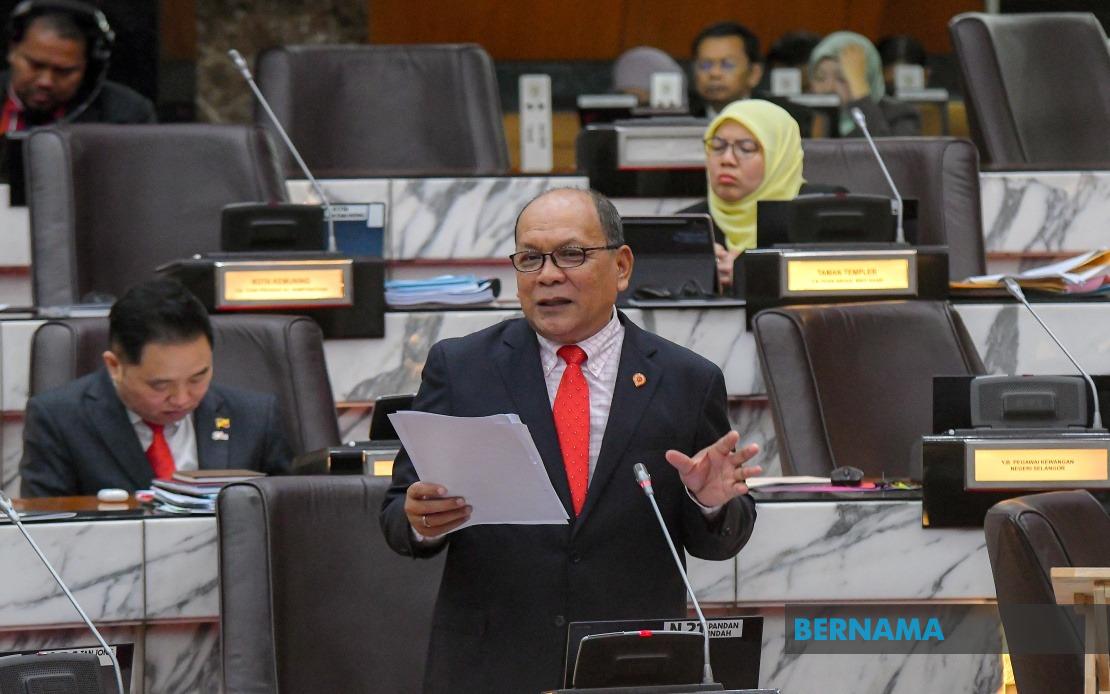
During a State Legislative Assembly sitting, Datuk Izham Hashim, who chairs the Infrastructure and Agriculture Committee, acknowledged the severity of the problem and outlined the administration's response strategy. The escalating security breaches have prompted high-level discussions between state officials and police leadership to develop a coordinated enforcement approach that addresses both the immediate threat and underlying vulnerabilities in facility protection.
The decision to enhance security infrastructure reflects recognition that reactive measures alone prove insufficient against determined thieves targeting valuable pump equipment. Installation of closed-circuit television systems across vulnerable pump house locations represents a fundamental shift towards preventive security, enabling authorities to monitor activities in real-time and maintain recorded evidence for prosecution purposes. Beyond surveillance technology, Datuk Izham indicated that comprehensive security strengthening would involve multiple departments working in concert to create multiple layers of protection.
Coordination between the Drainage and Irrigation Department and Public Works Department, two agencies with direct responsibility for maintaining these critical facilities, forms the institutional backbone of the security upgrade. Both departments face mounting pressure to balance operational efficiency with enhanced vigilance, particularly given that pump houses operate continuously during flood seasons when maintenance access and equipment vulnerability peak. The challenge intensifies because these facilities often occupy remote or semi-isolated locations, making them targets for opportunistic criminals seeking to strip valuable metals and electrical components for resale.
Police support and involvement from private security agencies represents another component of the multifaceted response. By formalizing cooperation between law enforcement and private security providers, authorities aim to establish consistent monitoring and rapid response protocols that deter would-be offenders. The involvement of police signals political commitment to treating infrastructure theft as a serious crime requiring investigative resources and enforcement priority, rather than permitting it to persist as an accepted cost of operations.
Jefri Mejan, the Ijok assemblyman from Perikatan Nasional who raised the issue in the legislature, highlighted an important consequence that extends beyond financial losses. Damaged or stolen pump equipment directly translates into reduced flood control capacity during critical periods, prolonging flooding incidents that devastate communities and cause cascading economic losses exceeding the initial theft or repair costs. This connection between security vulnerabilities and disaster management capacity underscores why the state government treats the matter as infrastructure security rather than simple property protection.
The RM400,000 annual cost figure, while significant, likely represents only documented losses and repair expenses. Indirect costs including operational downtime, emergency repairs requiring overtime labour, and the value of uncontrolled flooding damage remain unquantified but substantial. These hidden expenses compound the budget burden on state agencies already stretched across competing priorities in water management, waste disposal, and transportation infrastructure.
For Malaysian readers familiar with monsoon-related flooding that periodically impacts major metropolitan areas including Kuala Lumpur and Selangor's satellite cities, this issue carries direct relevance to community resilience. Effective pump house operations during heavy rainfall events determine whether flooding affects isolated pockets or spreads widely across residential districts. Compromised equipment availability during critical weather windows undermines the state's capacity to protect citizens and economic assets, making infrastructure security a public safety matter rather than a technical maintenance concern.
The Selangor government's approach reflects broader Southeast Asian challenges in protecting critical public infrastructure from theft and vandalism, particularly in rapidly urbanizing regions where informal settlements and transient populations create security complexities. Neighbouring jurisdictions facing similar issues may examine Selangor's integrated enforcement strategy combining technology, institutional coordination, and police engagement as a potential model for their own infrastructure protection frameworks.
Looking forward, the effectiveness of CCTV systems and enhanced security protocols will likely depend on consistent funding, regular equipment maintenance, and sustained police commitment to investigating and prosecuting offenders. Without adequate resources supporting these initiatives, security measures risk deteriorating into symbolic gestures that fail to deter sophisticated theft operations targeting high-value pump components. The state government's willingness to invest in infrastructure protection sends important signals about prioritizing disaster risk reduction and public safety in the face of climate variability and increasing urbanization pressures across Selangor.

