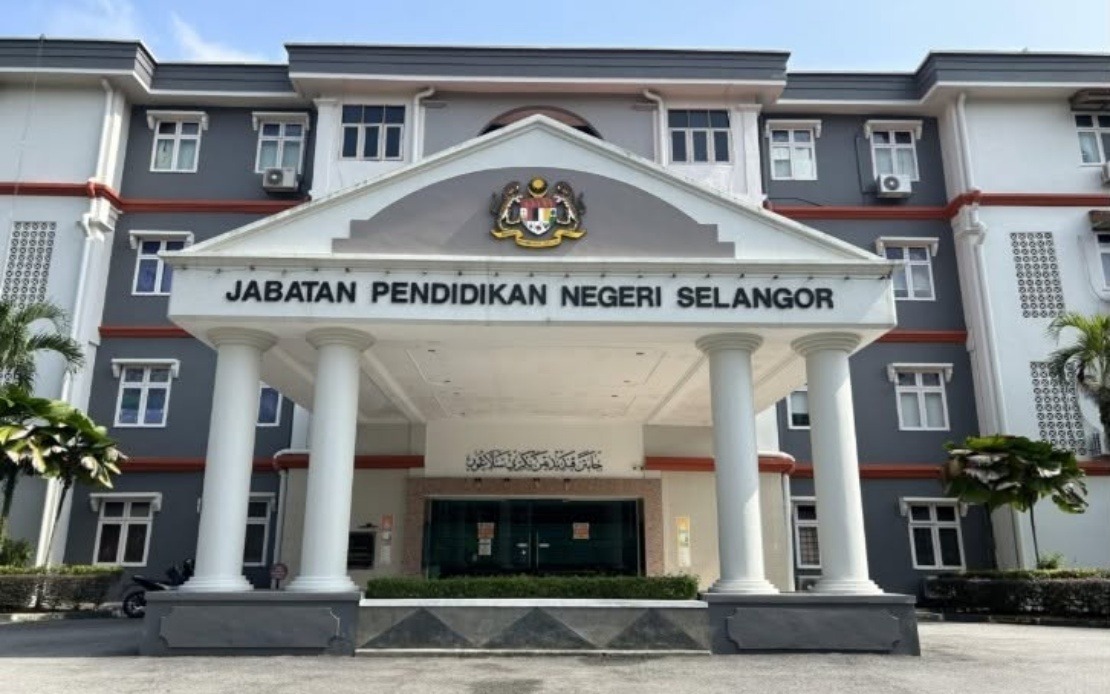
The Selangor State Education Department has thrown its weight behind an ongoing investigation into a serious bullying incident at a secondary school in Rawang that ignited widespread concern after a video of the altercation circulated across social media platforms. In a formal statement released on July 12, the department's leadership made clear that the matter represents a critical test of its commitment to safeguarding student welfare and maintaining discipline within educational institutions across the state.
Authorities emphasised that their cooperation with police investigators will remain unqualified and transparent throughout the inquiry process. The department's statement underscored a zero-tolerance stance toward any conduct that compromises the safety and dignity of students, signalling that no persons implicated would receive preferential treatment regardless of their background or connections. This assurance carries particular weight given the public nature of the incident and the intense scrutiny it has attracted.
The bullying episode has become emblematic of a broader concern within Malaysia's education system regarding student safety and behavioural standards. When incidents gain viral traction on social media, they often prompt wider conversation about whether schools are adequately equipped to prevent and respond to acts of aggression and intimidation among pupils. The Rawang case appears to have struck a nerve with parents and community members who expect robust institutional responses to such conduct.
The department's decision to publicly distance itself from any suggestion of protecting wrongdoers represents an important signal to stakeholders in Selangor. By explicitly stating that strict measures would follow according to established regulations, officials have positioned the state's education system as accountable and rule-bound. This messaging is crucial for maintaining public confidence in schools' ability to maintain orderly, secure environments conducive to learning.
The involvement of police in the investigation adds another layer of official scrutiny to the matter. Delegating the inquiry to law enforcement underscores the seriousness with which authorities regard the incident, suggesting that potential criminal conduct may be involved rather than treating it merely as a disciplinary school matter. This approach aligns with Malaysia's broader legislative framework that affords young persons protection under various statutes addressing assault and grievous injury.
For Malaysian schools, particularly in urban centres like Selangor where student populations are substantial and diverse, the challenge of maintaining discipline while respecting students' fundamental rights remains complex. Bullying can manifest in various forms—physical altercations, social exclusion, cyberbullying, and verbal abuse—each requiring nuanced institutional responses. The Rawang incident, having caught public attention through video documentation, suggests a particularly brazen or severe manifestation that alarmed viewers enough to share widely.
The department's appeal to the public to respect the investigation process reflects an awareness that social media can amplify pressure on authorities and potentially compromise fair inquiry. Premature judgement or trial-by-comment on platforms like TikTok, Facebook, and WhatsApp can prejudice both investigation and subsequent legal or disciplinary proceedings. By urging restraint and confidence in official processes, the department attempts to redirect attention toward formal channels of accountability rather than crowd-sourced judgment.
Context matters significantly here. Selangor, as Malaysia's most industrialised and populous state, hosts hundreds of secondary institutions serving diverse student populations. The education department manages a vast bureaucracy responsible for implementing national curriculum standards, teacher deployment, facility maintenance, and disciplinary protocols across this sprawling network. A high-profile bullying case inevitably tests whether these systems function effectively and whether individual schools prioritise student protection over institutional reputation.
The incident also illuminates evolving challenges schools face in the digital age. Students now possess sophisticated recording capabilities through smartphones, enabling rapid documentation and dissemination of incidents that historically might have remained contained within school premises. This transparency can serve justice by creating evidence trails, yet it also complicates institutional responses by introducing public opinion into what were traditionally internal matters managed through established channels.
For parents and guardians throughout Selangor, the department's formal commitment carries reassurance value. When officials publicly declare that misconduct will attract appropriate consequences regardless of circumstances, families gain confidence that schools are genuinely committed to maintaining safe learning spaces. However, such commitments require consistent follow-through; inadequate consequences in subsequent cases would undermine the credibility of the current statement.
The broader implications extend beyond Selangor's boundaries. Malaysia's education sector nationally grapples with concerns about bullying prevalence, ranging from occasional incidents to systematic peer victimisation in some institutions. How state education departments respond to high-profile cases influences public perception of school safety nationwide and sets precedents regarding institutional willingness to address such problems seriously rather than downplaying them.
Moving forward, the investigation's outcome will likely influence how other schools across Selangor approach similar situations. If perpetrators face meaningful consequences, educational leaders may view anti-bullying protocols as genuinely enforceable and therefore worthy of investment and institutional priority. Conversely, lenient outcomes could signal that such incidents, while publicly troubling, face limited actual enforcement, thereby undermining deterrence.
The state education department's stance reflects international best practices whereby school authorities collaborate openly with law enforcement when students' safety is potentially compromised and criminal conduct is involved. This approach contrasts with historical patterns where schools sometimes protected institutional reputation by minimising or concealing disciplinary problems. Contemporary expectations, particularly among younger, digitally-connected families, demand transparency and accountability that official cooperation with police can help demonstrate.

