The Selangor state government is making significant headway in formally recognising the state's indigenous communities through an accelerated gazetting programme that has already brought over half of its 74 listed aboriginal villages into the official registration process. V. Papparaidu, the state's human resources and poverty eradication committee chairman, disclosed this progress during the Jelajah Wanita Berdaya Tahan Selangor 2026 Zon Hulu Selangor event held at Bukit Beruntung Golf and Country Resort on August 15, signalling optimism that the initiative could reach a positive conclusion by year-end.
The gazetting process represents a crucial milestone for indigenous communities across Selangor, as formal recognition through this administrative mechanism provides legal protection of land rights, access to government services, and a pathway for community development initiatives. For Malaysia's indigenous populations, particularly in the Klang Valley region where urbanisation pressures are intense, such recognition ensures their settlements achieve formal status within the state's administrative framework and are not inadvertently displaced through development schemes or competing land claims.
However, the initiative faces genuine complications in several cases where indigenous villages sit on land classified as Malay reserved territory under Malaysian law. These overlapping land designations create jurisdictional complexities that require careful negotiation between multiple stakeholders including district administrators, state land authorities, and traditional leadership structures. Papparaidu acknowledged this tension directly, indicating that state officials plan to collaborate with district officers to untangle these zoning disputes, though he provided no specific timeline for resolving individual cases where such conflicts exist.
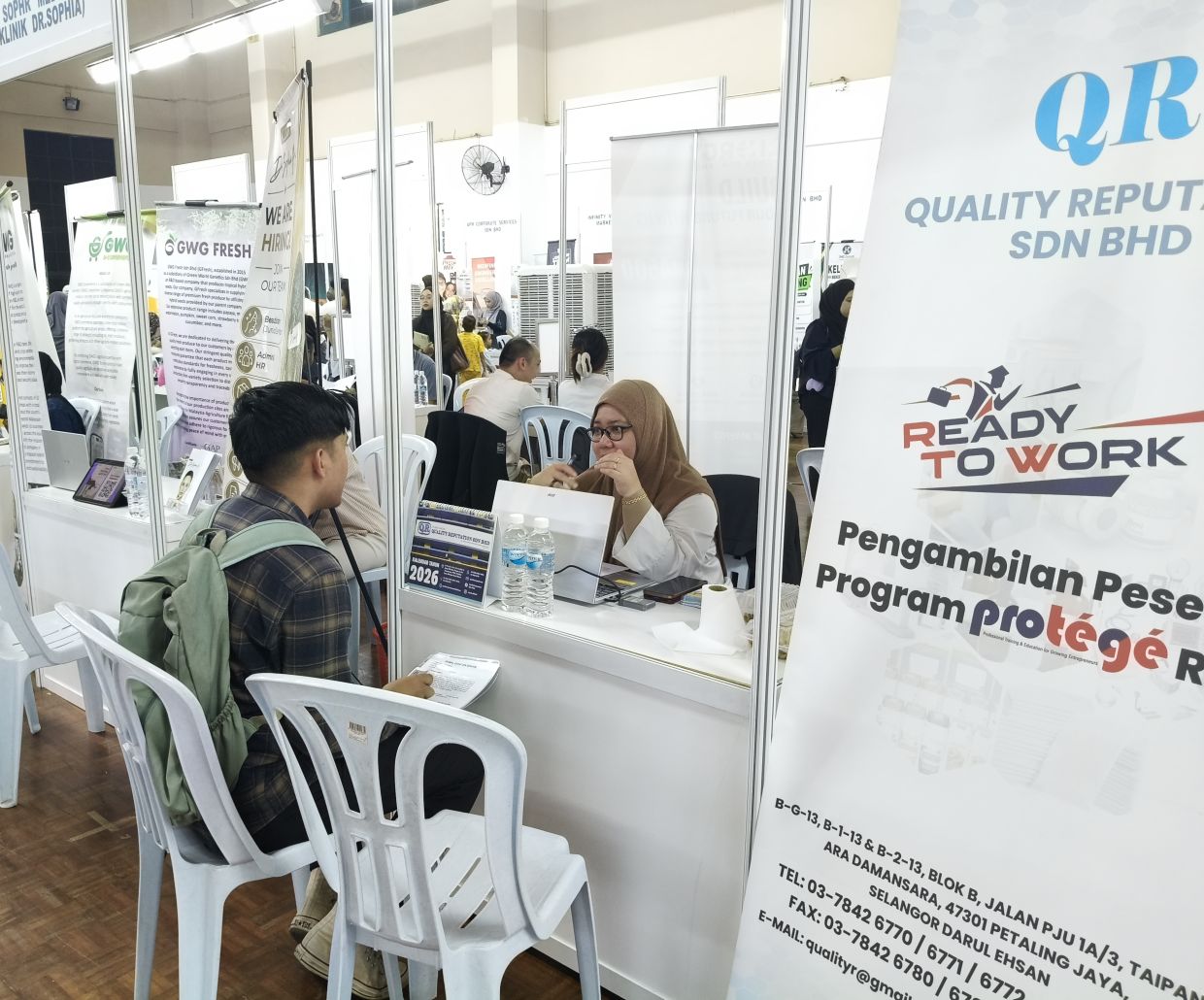
Beyond the gazetting programme, the state government demonstrated its commitment to economic inclusion for disadvantaged communities through the concurrent JobCare Selangor job carnival, which generated employment opportunities across a remarkably broad sectoral range. The event attracted 38 participating companies offering 5,785 positions, with 5,005 roles based within Selangor itself and the remainder scattered across neighbouring Perak and Negri Sembilan, reflecting the interconnected labour market dynamics of the greater Klang Valley region.
Manufacturing emerged as the dominant employment sector represented at the carnival, accounting for 2,560 of the total vacancies and underscoring the continued centrality of factory work and industrial production to Selangor's economic base despite decades of supposed economic diversification. This concentration reveals the persistent labour demands of the state's sprawling industrial zones and free trade areas, which continue to anchor economic activity even as the state government pursues higher-value service and technology sectors.
The compensation structures on offer reflected notable stratification across the labour market, with nearly two-thirds of available positions—specifically 63.56 per cent—providing monthly salaries exceeding RM2,500, suggesting that entry-level and semi-skilled roles predominated among the vacancies. For those aspiring to managerial responsibilities, employers dangled salary bands ranging from RM8,000 to RM10,000 monthly, a range that highlights the substantial earnings differential between frontline and supervisory roles within Malaysia's corporate hierarchy.
Complementing the immediate job-placement focus, Papparaidu outlined the state government's broader skills development infrastructure, particularly its investment in the Selangor Technical Skills Development Centre as a vehicle for equipping younger citizens with market-relevant competencies. This institutional approach reflects recognition that sustainable employment outcomes require not merely job-matching but continuous workforce development that anticipates sectoral evolution and technological change.
A particularly compelling initiative involved remedial support for approximately 20 to 30 schoolteachers who had entered the profession without formal tertiary qualifications, a phenomenon rooted in Malaysia's older educational pathways where teaching recruitment sometimes occurred directly after secondary completion. Through a condensed three-month course, these educators obtained a Level 4 Malaysian Skills Certificate, formally equivalent to a diploma qualification, which should translate into measurable salary improvements and enhanced career mobility. This programme speaks to a broader challenge within Southeast Asian education systems: upgrading the credentials of mid-career professionals whose original entry conditions predated contemporary qualification standards.
The job carnival itself functioned as a multi-layered intervention extending beyond simple vacancy notification. Participating job seekers accessed on-site interview opportunities, compressing the typically protracted recruitment timeline into a single concentrated engagement. Additionally, the Talent Corporation Malaysia Berhad integrated a career comeback programme specifically targeting mothers seeking to re-enter the workforce, acknowledging the particular labour market friction experienced by women interrupted from employment by family responsibilities—an issue of considerable significance across Malaysia given persistent gendered patterns of domestic labour allocation.
The Social Security Organisation's participation through resume review services further professionalised the job-seeker experience, providing structured feedback on application materials that could meaningfully improve candidacy in an increasingly competitive employment landscape. Together, these complementary services transformed what might otherwise have functioned as a straightforward job fair into a more comprehensive employment support ecosystem addressing barriers ranging from credential gaps to presentation and confidence.
For Selangor specifically, the convergence of indigenous community recognition through gazetting and intensive labour market activation through the carnival reflects a deliberate policy strategy of simultaneity: formalising the territorial and administrative position of aboriginal settlements whilst simultaneously addressing economic marginalisation through skills development and employment access. This dual-track approach attempts to address both the political-legal dimensions of indigenous recognition and the material economic conditions that shape indigenous communities' long-term sustainability and prosperity within Malaysia's urbanised landscape.

