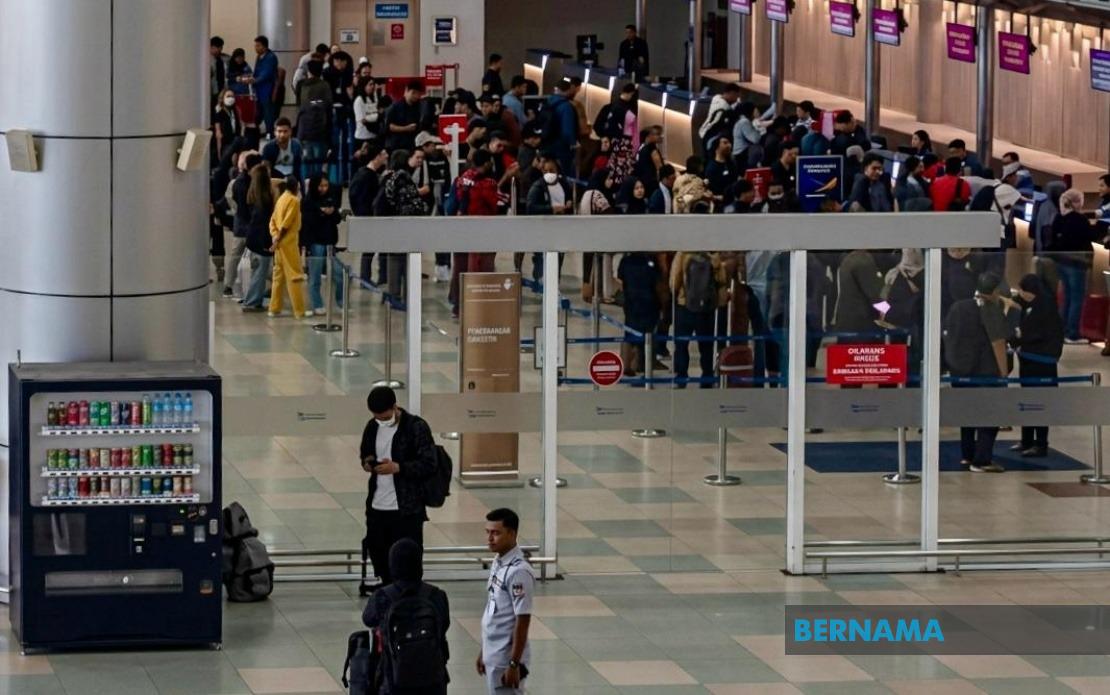
Flight operations at Labuan Airport ground to a halt on June 26 after airport authorities discovered unexploded ordnance approximately 150 metres from the main runway, prompting an immediate and precautionary shutdown of the facility. The Royal Malaysian Air Force issued a Notice to Airmen at 5pm that same day, alerting the aviation community to the temporary closure, which would remain in effect pending completion of safety inspections and formal clearance procedures.
The discovery triggered a coordinated response involving both the RMAF and Labuan Airport management, who launched a joint examination of the runway and surrounding areas to assess any potential threats to aircraft operations and passenger safety. Given the proximity of the ordnance to an active runway, authorities determined that no flights could safely operate from the airport until comprehensive inspections had been conducted and security officials had issued written authorization for resumption of services. The cautious approach reflected standard international aviation safety protocols when unexploded military items are detected near operational airfields.
The immediate impact on travellers was substantial, with five scheduled flights cancelled entirely on the afternoon and evening of June 26. Services originally bound for Kuala Lumpur, Kota Kinabalu and Miri at 4.05pm, 5.15pm, 6.05pm, 6.15pm and 7.25pm all ceased operations. Beyond cancellations, numerous other arriving and departing flights faced diversions to alternative airports or experienced operational delays as airlines scrambled to manage the disruption and relocate aircraft and passengers.
Labuan Airport, situated on the island of Labuan off the coast of Sabah, serves as a crucial regional hub connecting the Federal Territory to major Malaysian cities and neighbouring destinations. The closure therefore created cascading effects across the broader regional aviation network, forcing passengers to seek alternative routings and compelling airlines to coordinate alternative capacity. For business travellers and residents dependent on regular air connectivity, the disruption represented a significant inconvenience, particularly given the island's limited ground transportation options to the mainland.
The discovery of the ordnance highlighted the lingering military legacy in certain parts of Malaysia, particularly in Sabah and surrounding areas where historical conflicts and World War II operations left behind unexploded munitions. While such discoveries are not uncommon in remote or undeveloped regions, their appearance near civilian infrastructure necessitates swift and methodical response procedures to ensure public safety. The RMAF's involvement underscored the military's role in handling such hazardous materials and coordinating with civilian authorities.
Airline passengers were directed to contact their respective carriers immediately to obtain updated flight status information and revised travel arrangements. The uncertainty surrounding the duration of the closure meant that alternative options remained fluid, with airlines providing rebooking onto subsequent services or offering refunds where appropriate. For those already at the airport or en route, the situation created logistical challenges, particularly for connecting passengers whose downstream flights faced potential disruption.
The temporary closure raised broader questions about airport security protocols and the frequency of hazardous material discoveries near Malaysian aviation facilities. While Labuan Airport had not previously experienced widely publicized security incidents of this magnitude, the incident demonstrated both the preparedness of Malaysian aviation authorities to respond swiftly to emergencies and the vulnerability of infrastructure to historical remnants. The coordinated RMAF and airport authority response appeared to prioritize safety above operational continuity, a stance that protecting passengers and aircraft justifies even when it causes significant commercial disruption.
For Southeast Asian aviation observers, the Labuan incident illustrated how regional airports handle security threats and the interdependencies within the broader air transport network. Smaller regional hubs often possess fewer alternative routing options than major international airports, making disruptions disproportionately impactful on affected communities. The closure also highlighted the importance of robust coordination between military and civilian airport authorities, a capability that Malaysia's aviation sector has progressively strengthened over recent years.
The RMAF and airport authorities committed to providing further updates as inspections progressed and more information became available, though no specific timeline was initially disclosed for runway reopening. The methodical approach to clearing the site and issuing formal safety authorization meant that flights would remain suspended until all procedural requirements had been satisfied, potentially extending disruption beyond the initial day of closure. For the travelling public, patience and flexibility would be essential virtues in navigating the disruption.

