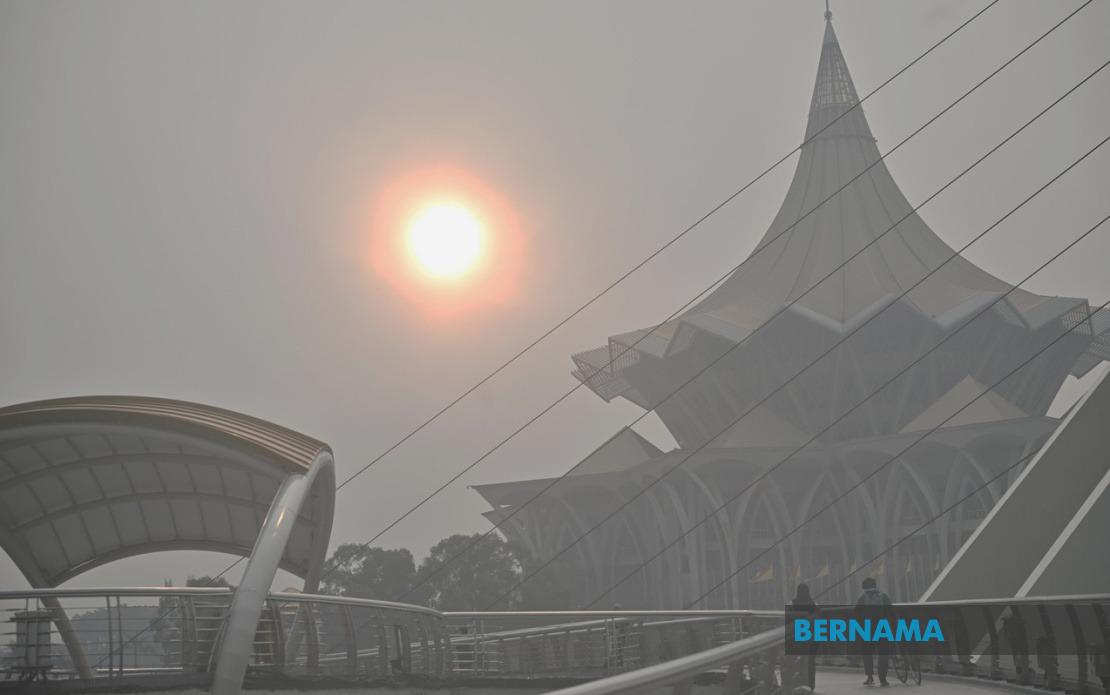
Childcare centres across Sarawak will face immediate closure whenever the Air Pollutant Index climbs to 200, a threshold marking dangerously unhealthy air quality. This decision, aligned with earlier guidance from the Sarawak Disaster Management Committee, represents a proactive approach to safeguarding the youngest and most vulnerable members of the community during seasonal haze episodes that periodically affect the region.
Women, Family and Community Development Minister Datuk Seri Nancy Shukri framed the closure protocol as a protective measure rooted in health concerns. Young children are particularly susceptible to airborne pollutants because their respiratory systems remain underdeveloped and their lungs are still growing. Exposure to hazardous air quality during critical developmental years can trigger or exacerbate asthma, bronchitis, and other respiratory conditions. By removing children from polluted environments during peak haze events, the government aims to prevent acute health complications and longer-term developmental impacts.
The Sarawak Disaster Management Committee had previously announced on August 12 that schools, kindergartens, and childcare facilities would be shuttered once air quality deteriorated to the API 200 threshold. This classification falls under the "very unhealthy" category according to national air quality standards. The directive aligns with the National Haze Action Plan, which establishes tiered responses based on pollution levels. Implementation falls under the purview of the Sarawak Education Department director, ensuring a coordinated approach across educational institutions in the state.
The minister emphasised that the primary concern motivating the closure protocol extended beyond the immediate physical health of children to encompass the broader family unit. Families with young children face considerable strain during haze events, as parents must juggle work commitments with childcare responsibilities. By establishing clear, predetermined closure thresholds, the government removes ambiguity and allows families to plan accordingly. Nancy acknowledged that such closures inevitably create challenges for working parents, particularly those without extended family support systems or alternative childcare arrangements.
Currently, the directive applies exclusively within Sarawak's boundaries, reflecting the state-based governance structure of Malaysia's federal system. However, officials signalled readiness to extend the protocol to other states should haze conditions worsen and spread beyond the eastern Malaysian state. Such territorial expansion would require coordination between state governments and relevant federal authorities. The minister cautioned that any implementation across multiple jurisdictions would require comprehensive, uniform guidelines from respective state administrations to prevent confusion and inconsistent application of closure orders across the nation.
The question of managing working parents' circumstances during centre closures was identified as a significant practical concern. Nancy indicated that responsibility for developing support mechanisms would rest with individual state governments, acknowledging that this falls within their constitutional jurisdiction. Different states may adopt varied approaches based on local labour market conditions, economic circumstances, and availability of alternative childcare support systems. Some states might explore subsidised emergency childcare services during haze emergencies, while others might permit flexible working arrangements for affected parents.
Sarawak's haze challenges stem partly from transboundary air pollution originating from agricultural burning in neighbouring regions, a recurring seasonal problem during dry months. The state's geography and proximity to major peatland areas make it particularly vulnerable to smoke accumulation. API readings of 200 represent genuinely dangerous conditions where outdoor activities become hazardous and vulnerable populations face genuine health risks. Children aged five and under are among the most susceptible, as are elderly individuals and those with pre-existing respiratory conditions.
The closure directive represents a shift toward more decisive governmental action during environmental emergencies. Rather than issuing advisory recommendations that leave decisions to schools and childcare operators, the protocol establishes binding closure requirements at specific pollution thresholds. This approach removes ambiguity about whether facilities should remain open and eliminates potential disputes between education authorities and childcare operators over responsibility for student safety during hazardous conditions.
For Malaysian parents and childcare facilities, understanding these thresholds and planning accordingly has become increasingly important. The API 200 trigger point provides a clear benchmark, allowing families to prepare contingency plans and employers to anticipate potential workforce disruptions. Childcare centres should establish clear communication channels to quickly notify parents of closures and maintain updated contact information for rapid notification when the threshold is reached.
Looking forward, the effectiveness of this protocol will depend on accurate real-time air quality monitoring and swift, transparent communication to the public. The success of closure directives ultimately hinges on whether families receive timely notifications and whether employers respect the necessity of such closures. Regional cooperation on haze mitigation remains essential, as unilateral closure protocols cannot address the transboundary nature of air pollution affecting multiple Southeast Asian countries during peak burning seasons.

