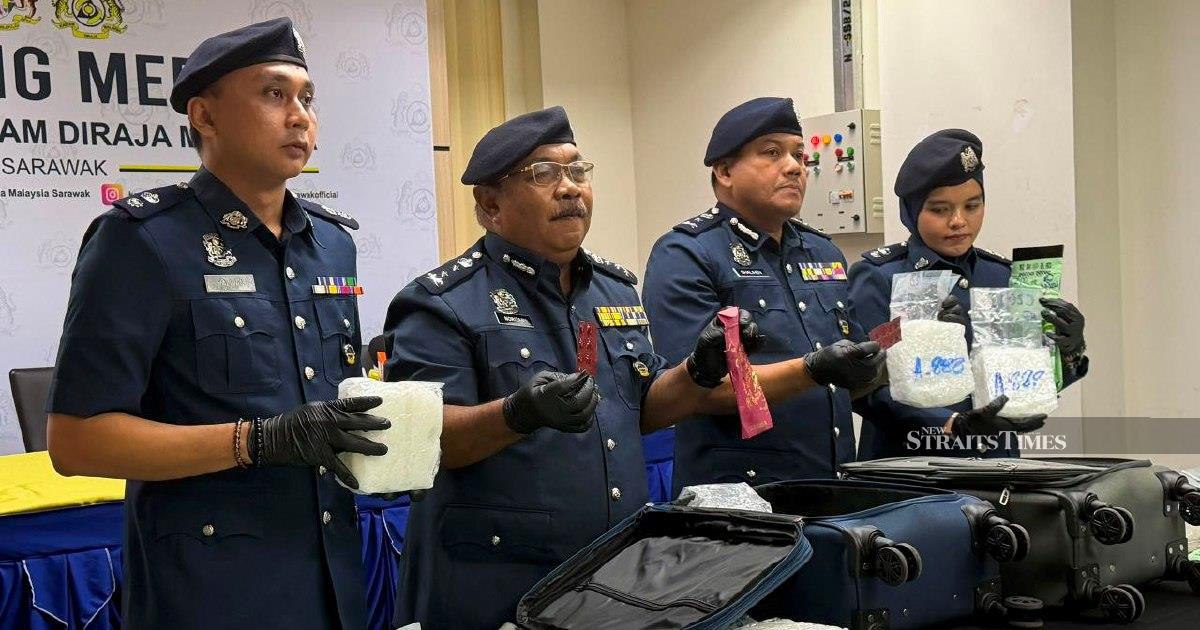
Authorities in Sarawak have dealt a significant blow to transnational drug trafficking networks operating across the region after intercepting a substantial contraband shipment at Kuching International Airport. On July 9, the Sarawak Customs Department arrested two individuals attempting to smuggle drugs with an estimated street value of RM1.32 million through the airport's passenger terminals. The successful operation highlights the ongoing vigilance of Malaysian customs enforcement against narcotics trafficking, a persistent challenge across Southeast Asia where major transportation hubs serve as critical chokepoints for smugglers attempting to move illicit substances across borders.
The interception at Kuching International Airport represents another instance of Malaysia's customs authorities detecting contraband before it enters the broader illicit supply chain. The airport, serving as Sarawak's primary international gateway, processes thousands of passengers daily, making it a frequent target for smugglers who attempt to exploit gaps in security or conceal narcotics within luggage and personal belongings. The Sarawak Customs Department's ability to identify and apprehend the two suspects demonstrates the effectiveness of intelligence-led enforcement strategies and heightened screening protocols at major transportation nodes.
Drug smuggling through air terminals has emerged as a particularly persistent problem in Southeast Asia, where porous borders and high drug demand create economic incentives for trafficking organisations. Malaysia's geographical position between major source regions and consumption markets amplifies the country's exposure to such criminal activities. International reports consistently rank Malaysia among routes used to transit narcotics destined for markets in East and Southeast Asia, underscoring why federal and state authorities maintain robust detection capabilities at airports, seaports, and land crossings.
The specific circumstances surrounding the attempted smuggling operation at Kuching suggest the perpetrators employed methods common among regional trafficking networks. Whether the drugs were concealed in checked baggage, personal items, or hidden compartments remains a critical investigative detail that could illuminate operational patterns among smuggling syndicates. Such information helps customs officials refine risk assessment profiles and intelligence-gathering priorities, ultimately strengthening interdiction capabilities across Malaysia's transportation infrastructure.
For Sarawak specifically, maintaining security at Kuching International Airport carries particular significance given the state's role as a commercial and tourism hub. Any successful drug importation through the airport could theoretically supply local markets or serve as a transit point for further distribution across Borneo and beyond. The state's Customs Department consequently prioritises monitoring at the airport, coordinating with federal authorities and other agencies to maintain detection standards that deter trafficking organisations from targeting the facility.
The two arrested individuals now face serious criminal charges under Malaysia's drug trafficking legislation, which carries mandatory minimum penalties including lengthy prison sentences. Upon conviction, both suspects would likely receive sentences substantially exceeding a decade, reflecting the severity with which Malaysian law treats major drug smuggling offences. Such penalties serve a dual purpose: they incapacitate active traffickers while theoretically deterring others from attempting similar operations.
The RM1.32 million valuation attributed to the intercepted narcotics requires context regarding regional drug pricing. This figure likely reflects retail or wholesale market values rather than the cost paid by traffickers at the source, meaning the actual profit margin represented by the attempted shipment would substantially exceed the valuation. For smuggling organisations operating across Southeast Asia, such potential returns justify investing in multiple smuggling attempts, understanding that some will inevitably fail but others will succeed, generating net revenues that sustain their operations.
International cooperation remains essential to combating transnational drug trafficking effectively, and Malaysia's customs authorities work alongside counterparts in neighbouring countries and beyond. Intelligence sharing regarding trafficking methods, organised crime networks, and source region developments helps Malaysian agencies anticipate and counter emerging smuggling techniques. The successful interception at Kuching demonstrates how such coordination, combined with domestic enforcement efforts, can disrupt criminal enterprises targeting the country.
The successful operation also underscores broader challenges facing Southeast Asian governments attempting to manage narcotics trafficking through modern, efficient transportation systems. As legitimate trade and travel increase throughout the region, opportunities for concealing illicit cargo multiply correspondingly. Customs authorities must therefore balance security imperatives against the need to maintain trade flows and passenger convenience, a tension that requires sophisticated risk assessment and targeted enforcement rather than indiscriminate screening.
Looking forward, the Sarawak Customs Department will likely intensify monitoring operations while investigating the arrested suspects' connections to larger trafficking organisations. Such investigations frequently reveal networks extending across multiple jurisdictions and involving numerous actors in procurement, transportation, and distribution roles. By apprehending these two individuals and pursuing comprehensive investigations, Malaysian authorities work toward disrupting larger criminal enterprises that profit substantially from narcotics trafficking throughout the region.

