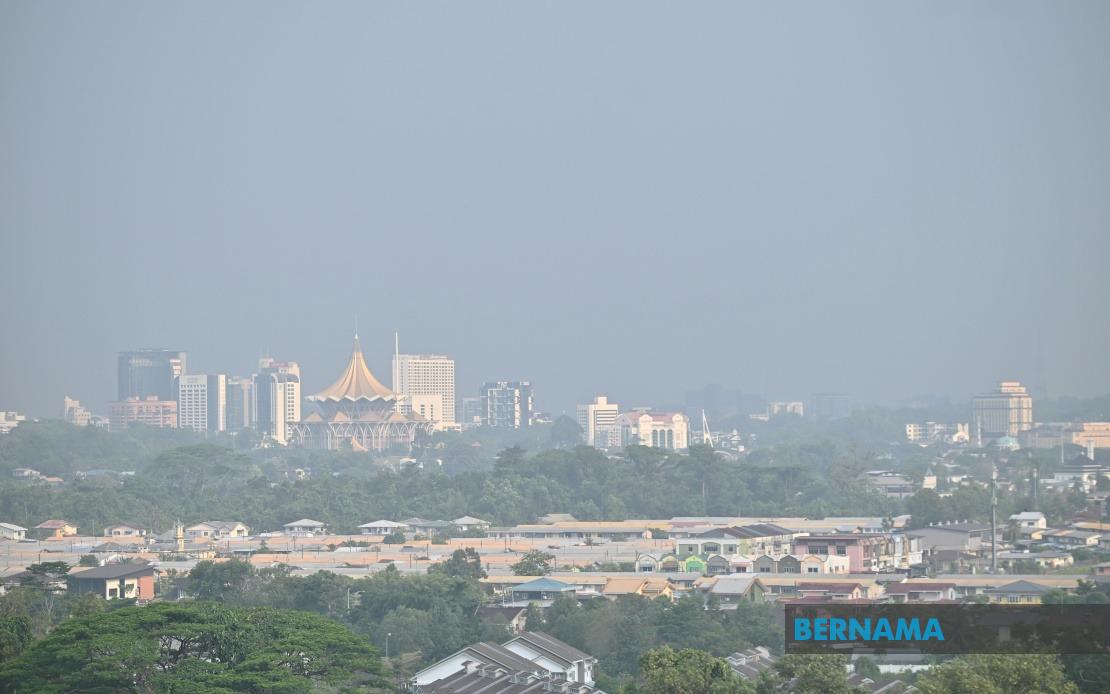
Malaysia's Meteorological Department has cautioned that Sarawak and neighbouring regions across Borneo will endure scorching temperatures and arid conditions stretching through August 20, elevating concerns about potential haze formation and diminished air quality in the state, particularly affecting its southern districts. The department attributed the prolonged dry spell to sustained southerly wind patterns combined with a high concentration of active fire hotspots persisting across the Borneo landmass, creating an environment ripe for smoke accumulation and reduced visibility.
The atmospheric conditions have already manifested in measurable air quality degradation across Malaysia. Official records from the Malaysian Air Pollutant Index Management System showed that by mid-morning on August 14, a total of ten locations nationwide had registered Air Pollutant Index measurements within the unhealthy bracket, with the overwhelming preponderance of these problem zones concentrated within Sarawak itself. This geographical clustering underscores how the state bears the brunt of the current environmental challenge, with residents potentially facing sustained exposure to air quality levels that health authorities classify as requiring caution.
The forecast carries particular significance for Sarawak's economy and daily functioning. The state, home to major industrial operations, palm oil plantations, and a growing tourism sector, faces potential disruptions if visibility deteriorates markedly or if air quality descends further into hazardous classifications. Schools, construction sites, and outdoor industries may require contingency arrangements, while residents with respiratory vulnerabilities face genuine health concerns during prolonged exposure to substandard air conditions.
Contextually, this weather pattern reflects broader climatic dynamics affecting Southeast Asia during the monsoon transition period. The southerly winds driving Sarawak's current conditions are part of seasonal wind circulation patterns that shift across the region, and the abundance of hotspots suggests either agricultural burning, land-clearing operations, or possibly uncontrolled fires. The combination of these factors has created a particular vulnerability window for Borneo, which sits geographically where wind patterns can trap smoke and aerosols, preventing natural dispersal.
For Malaysian policymakers and environmental managers, the situation highlights ongoing challenges in transboundary air pollution management. Sarawak's air quality depends partly on factors beyond state control, including land use practices and fire management across the broader Borneo region. This reality underscores why regional cooperation frameworks remain critical for addressing haze and air quality issues that recognise no political boundaries.
Simultaneously, Malaysia's peninsular regions face a contrasting meteorological situation. MetMalaysia issued simultaneous warnings for thunderstorm and heavy rain activity across the entire states of Perlis, Kedah, and Penang, along with the Federal Territory of Kuala Lumpur, with these alerts remaining in effect until mid-afternoon on August 14. The northern peninsula and capital territory thus experience the inverse climate pattern—saturating moisture and convective rainfall—compared to Sarawak's arid conditions.
Within Perak state, five specific districts—Kerian, Selama, Larut Matang, Manjung, and Bagan Datuk—also fell under the thunderstorm warning, indicating a concentrated band of atmospheric instability across the state's western reaches. Similarly, Selangor, the economically vital state surrounding Kuala Lumpur, experienced storm risk across six districts: Sabak Bernam, Kuala Selangor, Klang, Petaling, Gombak, and Hulu Selangor, which together encompass critical metropolitan and industrial zones.
This stark geographical contrast—simultaneous drought-like conditions in Sarawak alongside heavy rain threats in the peninsula—reflects the complexity of Malaysia's monsoon climate during transition periods. August positions the country between seasonal wind regimes, creating conditions where different regions experience dramatically divergent weather patterns simultaneously. For emergency services, transportation authorities, and infrastructure managers, this variability demands heightened vigilance across multiple fronts.
For the general public navigating these conditions, MetMalaysia has emphasised the importance of staying continuously informed through official channels. The department's website, official social media accounts, and the myCuaca mobile application represent the authoritative sources for real-time weather updates and alerts. Given the rapid evolution potential of both drought and storm systems, regular consultation of these platforms allows residents to make timely decisions about outdoor activities, travel plans, and health precautions.
The immediate focus for Sarawak centres on whether the projected August 20 endpoint truly marks a transition to different atmospheric conditions or whether the heat and dryness might persist further. Meanwhile, peninsular residents should prepare for localised flooding risks in low-lying and flood-prone areas as thunderstorms deliver concentrated rainfall. Both scenarios underscore how Malaysia's tropical location brings weather extremes that require community preparedness and responsive governance.
Looking ahead, the August weather dynamics serve as a reminder of environmental pressures mounting across the region. Fire management, land-use practices, and climate adaptation strategies will likely remain central to Malaysia's policy agenda as authorities work to mitigate haze risks and protect public health and economic interests across all states.

