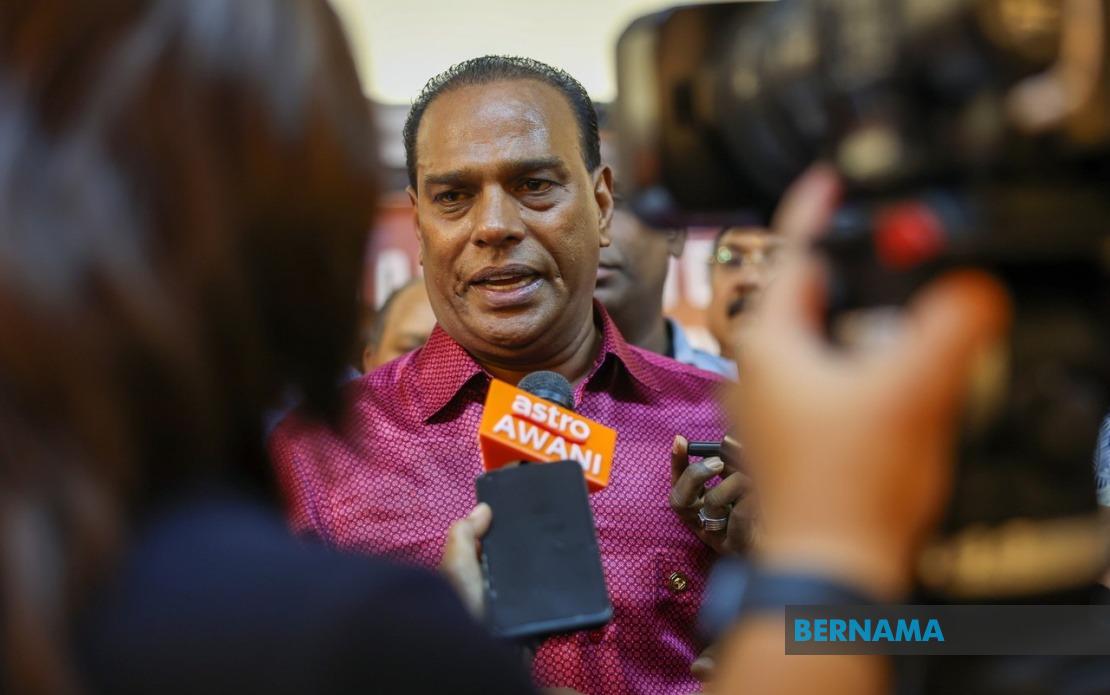
Datuk Seri M. Saravanan, the Tapah MP and MIC deputy president, confirmed on Wednesday that he will appear in the Sessions Court here tomorrow to face charges connected to the recruitment of foreign workers during the COVID-19 pandemic in 2022. The former Human Resources Minister made the announcement through a video message released to the media, indicating his readiness to confront the legal proceedings despite the unusual circumstances surrounding the case.
The charges stem from allegations originating from a third-party statement that linked the politician to hiring practices involving foreign labour during the height of the pandemic period. What complicates matters is that the individual who made the initial statement connecting Saravanan to the controversy died two months prior to the charges being filed. This raises questions about how evidence will be presented and contested in court when the primary source is no longer available to testify or clarify their allegations.
Saravanan emphasised that he had never established contact with the deceased person through any means of communication, whether by telephone or text message. He stressed that despite the death of what prosecutors presumably considered a key witness, he remains prepared to mount a full legal defence and answer the charges in accordance with the law. His statement suggests confidence in his position, though it also highlights the procedural complexities the court will face in handling evidence allegedly provided by someone who is now deceased.
Further muddying the waters is the Statutory Declaration filed by the individual before their death, which explicitly withdrew the allegations that had previously implicated Saravanan. This reversal adds significant layers of complexity to the prosecution's case, raising fundamental questions about the strength of evidence the Malaysian Anti-Corruption Commission believes it possesses. The withdrawal of allegations by the original complainant creates a substantial obstacle for prosecutors seeking to establish guilt beyond reasonable doubt.
The Malaysian Anti-Corruption Commission formally announced the charges through a media invitation issued yesterday, indicating that Saravanan would face charges under Section 16 of the MACC Act 2009. This section addresses offences related to soliciting, receiving, giving, promising, or offering bribes—serious allegations that carry significant legal and reputational consequences for any public figure. The invocation of this specific section suggests the MACC has framed its case around allegations of corrupt inducement or benefit in connection with the foreign worker hiring matter.
Saravanan's legal team has already signalled its intention to move quickly through the judicial process. On his first appearance tomorrow, the defence plans to request that the court expedite the trial proceedings without unnecessary delays. This aggressive procedural approach may reflect a strategy to bring the case to conclusion swiftly, particularly given that the primary witness is deceased and the complainant has issued a statutory declaration withdrawing support for the allegations. Expedited trials can work in either direction—they may demonstrate confidence in one's defence, or they may be intended to prevent prolonged media scrutiny and reputational damage.
The case arrives at a particularly sensitive moment in Malaysian politics, where questions of corruption and governance standards remain intensely scrutinised by both the public and opposition political forces. The involvement of a former Human Resources Minister and current MIC deputy president ensures the matter will attract considerable media attention and political commentary. The MIC, as a component party within Barisan Nasional, faces potential reputational implications depending on how the legal proceedings unfold and what evidence emerges during trial.
The COVID-19 pandemic period in Malaysia, particularly 2022, witnessed significant policy decisions regarding foreign worker recruitment and labour practices. Multiple sectors, including manufacturing, construction, and domestic services, faced acute labour shortages. Any suggestion of improper influence or corrupt practices in foreign worker hiring arrangements carries implications for understanding how such critical economic and labour policies were administered during the national emergency. Public interest in the case thus extends beyond the individual defendant to broader questions of pandemic-era governance and administrative propriety.
The apparent gap between the MACC's confidence in pursuing charges and the complainant's subsequent retraction creates an unusual prosecutorial position. Malaysian courts have previously encountered cases where primary witnesses recant or provide contradictory evidence, and judges possess considerable discretion in assessing credibility and the weight of such testimony. The defence will likely leverage the statutory declaration extensively, arguing that it fundamentally undermines the foundation of the prosecution's allegations and undermines the reliability of the original complaint.
Regional observers monitoring Malaysian anti-corruption efforts will be watching this case closely, as it reflects both the strength of institutional mechanisms for investigating high-level officials and the complications that arise when evidence becomes contested or withdrawn. The MACC's willingness to proceed despite the complainant's retraction demonstrates either strong confidence in possessing corroborating evidence or a commitment to pursuing matters once initiated, though questions may emerge about prosecutorial judgment. The Sessions Court judges will ultimately need to navigate complex evidentiary questions while the political and public dimensions of the case continue to generate debate about accountability, governance, and due process in Malaysia's political system.

