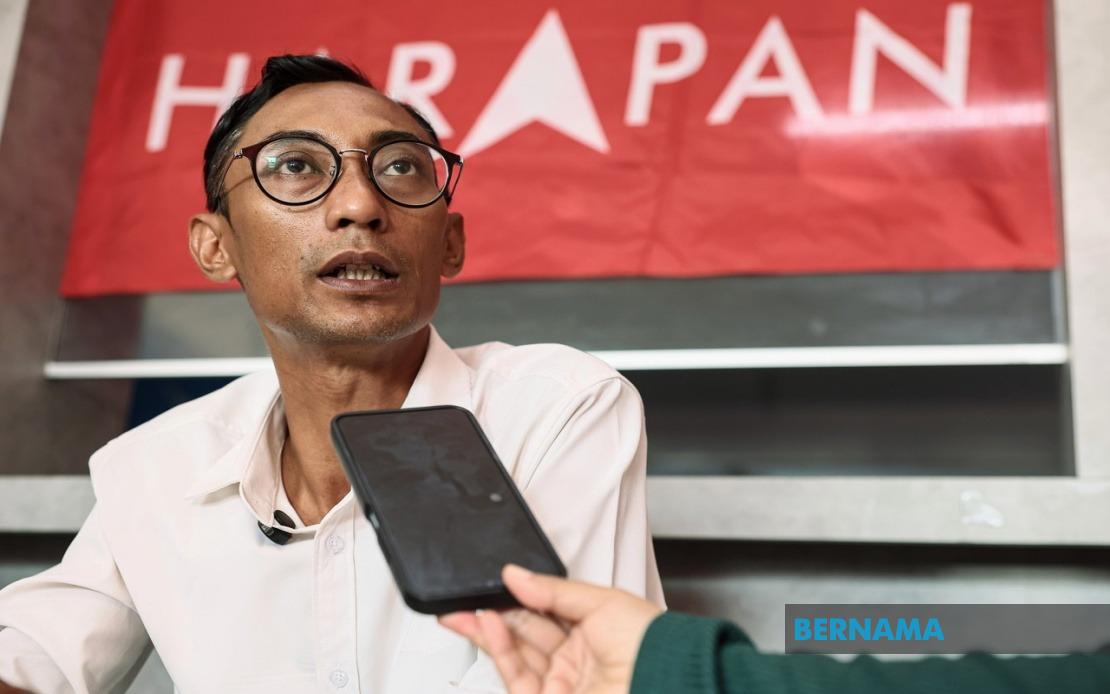
Pakatan Harapan's Saiful Nizam Samat is charting a distinctive campaign course for the Endau state seat in Johor's July 11 election, positioning his bid around a central proposition: ensuring that the voices and concerns of Endau residents receive proper attention at the federal level. His strategy, framed as 'Suara Endau ke Putrajaya' (Endau's Voice to Putrajaya), represents a departure from traditional state-level campaigning, instead emphasising the importance of seamless communication channels between local constituencies and the national administration.
The rationale behind this approach centres on the practical mechanics of governance and service delivery. Rather than pursuing more urbanised or visibly developed constituencies such as Iskandar Puteri or Kota Iskandar, Saiful Nizam argues that a focused effort to harmonise Endau's priorities with federal planning processes would yield tangible dividends for residents. By establishing this alignment, he contends, development initiatives can be coordinated more rapidly and efficiently, translating into accelerated infrastructure improvements and resource allocation tailored to local needs.
Early indications suggest the campaign messaging is resonating across Endau's demographic spectrum. During the initial campaign week, Saiful Nizam reported receiving notably positive feedback from voters spanning multiple age brackets, from youth populations to elderly constituents. This cross-generational appeal is significant in a Malaysian electoral context, where coalition candidates frequently struggle to maintain unified support across age divides. The breadth of this response has encouraged his campaign machinery to intensify efforts throughout the remaining days before polling.
To maximise reach and penetration, Saiful Nizam's campaign deploys a deliberately multifaceted communications strategy combining traditional grassroots mobilisation with digital and social media engagement. This dual approach reflects recognition that different voter segments consume political messaging through varying channels. The campaign has also invested in cultural and entertainment elements, commissioning a specially crafted theme song with deliberately accessible, upbeat qualities designed to lodge in voters' minds—a tactic particularly aimed at younger electors who respond to music-driven political narratives.
Geographical campaign priorities reveal strategic targeting of specific communities traditionally marginalised in political discourse. The Orang Asli settlements within the Endau constituency feature prominently in Saiful Nizam's planned visit schedule. This focus underscores broader efforts by Pakatan Harapan to engage indigenous communities more directly than competing coalitions, an approach with potential ramifications across multiple Malaysian constituencies where Orang Asli populations represent meaningful voting blocs.
The contest itself presents a crowded field that may fragment the anti-incumbent vote. Saiful Nizam faces competition from Barisan Nasional's Alwiyah Talib, a two-term sitting representative who carries the advantage of incumbency and established administrative networks. However, the field extends beyond this primary contest. Perikatan Nasional has fielded Hasnul Hakimi Hussien, while the Parti Orang Asli Malaysia (ASLI) has nominated Jati Awang, creating a genuine four-way battle that could determine outcomes through narrow margins rather than commanding mandates.
Despite the incumbent's institutional advantages, Saiful Nizam has adopted an approach emphasising the robustness of his campaign apparatus and the credibility of his policy commitments rather than engaging in direct attacks on Alwiyah Talib. This strategy reflects confidence in organisational strength and a calculated judgment that positive messaging regarding realistic local deliverables may prove more persuasive than opposition-focused rhetoric. The approach also minimises risks of appearing desperate or reactive, potentially damaging with centrist voters.
One crucial dimension of Saiful Nizam's strategy involves mobilising the diaspora—Endau residents working or studying elsewhere who retain voting rights. His explicit appeal to those employed in Singapore and the Klang Valley emphasises the importance of their physical presence at the ballot box on Saturday, framing voting as a civic obligation intertwined with desires for constituency change. This diaspora mobilisation carries particular significance in Johor, where economic migration patterns regularly disperse constituency members across Singapore and Peninsular Malaysia's industrial corridors.
The Endau seat assumes wider importance within the context of the sixteenth Johor state election, which will determine the composition of the state assembly and shape governmental direction for Johor's substantial population and economy. Endau, while not typically classified among Johor's showpiece constituencies, represents the type of secondary-tier seat where marginal shifts in coalition performance often materialise. The outcome here may therefore prove emblematic of broader trends either favouring Pakatan Harapan's efforts to recapture lost ground or indicating continued consolidation of Barisan Nasional dominance in the state.
Early voting commences on July 7, providing an initial indication of turnout patterns and voter enthusiasm levels that may forecast broader results. The compressed campaign period—with Saiful Nizam's team operating under significant time constraints—has necessitated high-intensity engagement strategies maximising visibility and message penetration. The convergence of digital sophistication with traditional ground operations, coupled with targeted community engagement and diaspora activation, positions the Endau contest as a microcosm of contemporary Malaysian electoral competition, where victory requires orchestrating resources across multiple engagement platforms simultaneously.

