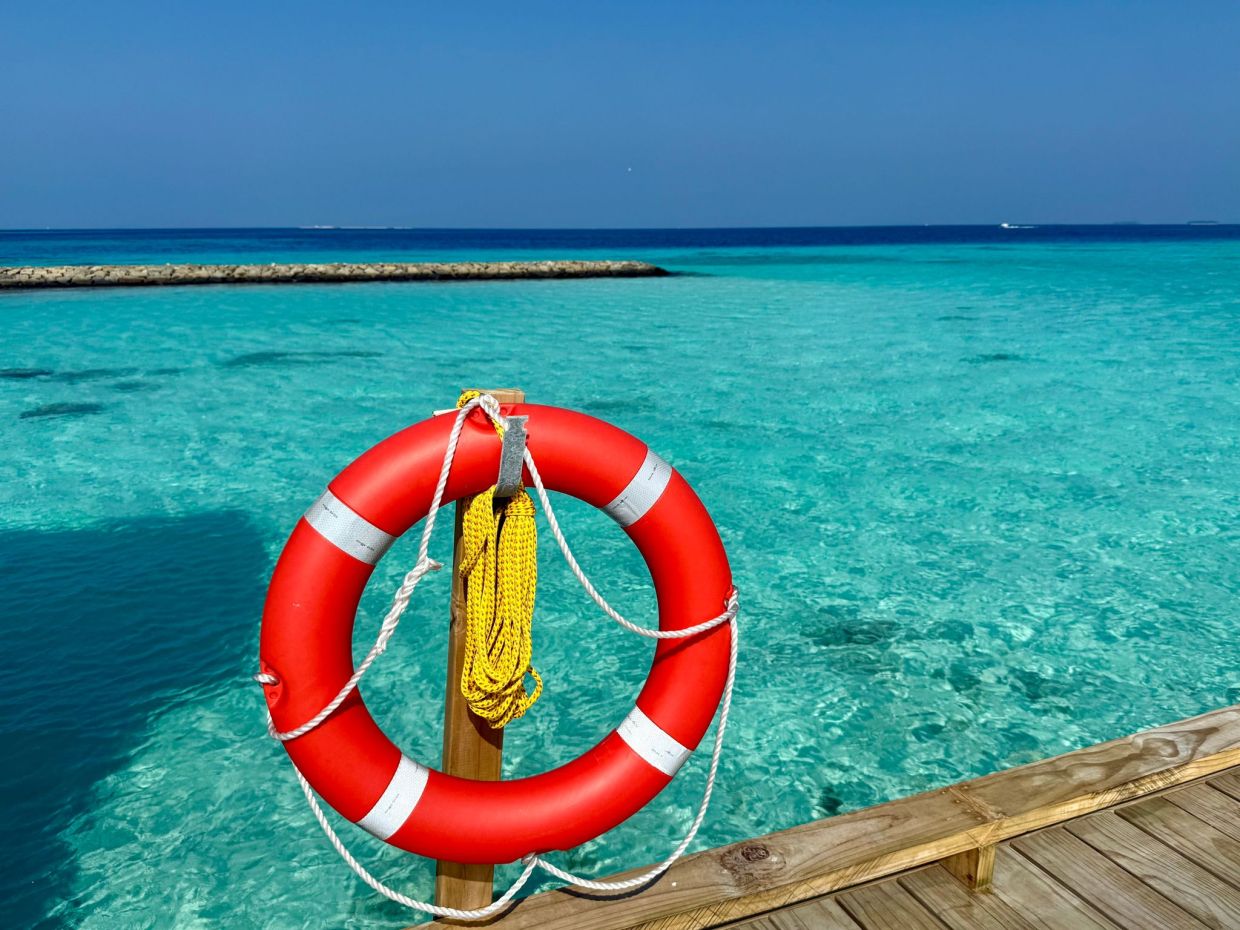
Many holidaymakers seek relief from tropical heat by plunging into lakes, rivers, and coastal waters, but open-water swimming carries risks that casual swimmers frequently underestimate. The Royal National Lifeboat Institution warns that despite balmy air temperatures, water conditions can pose serious dangers that claim lives annually across the globe. Understanding these hazards and preparing accordingly transforms a potentially risky activity into an enjoyable and safer pursuit.
A fundamental mistake occurs when swimmers misjudge their own capabilities while dismissing environmental threats. Peter Dawes, general manager lifeguard operations at the Royal National Lifeboat Institution, emphasises that people routinely overestimate their swimming prowess and minimise what nature presents. This psychological blind spot proves particularly dangerous in unfamiliar locations where conditions differ markedly from protected pools or calm urban waterways.
Water temperature represents one of the most treacherous hazards, especially in temperate or cooler climates where even summer conditions remain surprisingly cold. Cold-water shock can incapacitate swimmers within seconds, triggering involuntary gasping and breath-holding that leads to panic and potential drowning. Gathering meteorological and hydrological information before visiting any waterside location becomes essential preparation. Checking tide schedules, weather forecasts, and consulting with lifeguards who monitor conditions daily allows visitors to time their activities safely and understand locational peculiarities.
For Malaysia and Southeast Asia, where tropical temperatures dominate, swimmers often feel falsely reassured by warm air and water. However, the region's monsoon seasons bring powerful currents, reduced visibility, and rapidly changing conditions that pose equivalent dangers to cold-water environments elsewhere. Beach lifeguards remain invaluable resources, offering insights into rip currents, underwater obstacles, and seasonal hazards invisible to untrained eyes.
Rip currents rank among the deadliest beach phenomena, pulling swimmers seaward with deceptive force. Inland waterways present different but equally serious threats, including submerged vegetation, fallen branches, rubbish accumulations, and unstable banks. Entering water gradually rather than diving or jumping allows swimmers to detect obstacles and acclimatise their bodies to temperature changes. This measured approach dramatically reduces injury risk from collisions with hidden hazards and permits the cardiovascular system to adjust properly.
Lifeguarded beaches display red and yellow flags demarcating the safest swimming zones, selected deliberately after professional assessment of currents, depth, and hazards. These boundaries typically encompass areas where lifeguards maintain focused surveillance, whereas unmonitored sections remain beyond their protective scope. Swimmers who stay within flagged areas significantly reduce incident probability, as do those who swim in groups where companions can monitor each other's welfare and summon help if needed.
Parental supervision demands particular attention, with young children requiring constant physical proximity rather than distant observation. Dressing children in bright, highly visible clothing enhances recognition in crowded waters or emergency situations. Arm's length supervision represents the gold standard, permitting immediate intervention if a child struggles, becomes disoriented, or encounters difficulties. Many drownings occur silently and rapidly in shallow water where parents presume safety, making this attentiveness non-negotiable.
Backfloating provides the most reliable survival technique when swimmers find themselves in distress. By positioning oneself prone on the back with ears submerged and body flattened, swimmers maintain an airway above water level while conserving energy. This simple manoeuvre has saved countless lives by preventing panic, enabling breathing normalisation, and sustaining individuals until rescue arrives. Practising this skill in safe settings like swimming pools ensures muscle memory activation during genuine emergencies when stress impairs cognitive function.
Wetsuits offer thermal protection and buoyancy assistance, particularly valuable in cooler waters or extended swimming sessions. They also provide minor protection against minor scrapes and marine organism contact, making them practical investments for regular open-water swimmers. The choice of entry and exit points deserves advance planning, as attempting to depart from unsuitable locations—such as steep banks, rocky areas, or strong current zones—transforms rescue situations into tragedies.
Water clarity varies dramatically depending on location, season, and recent weather events. Murky waters obscure underwater hazards that clear conditions reveal, necessitating heightened caution in inland reservoirs, rivers, and coastal areas affected by sediment or algae blooms. Slow, deliberate entry provides the margin of safety that reckless diving eliminates, transforming potential injuries into avoided near-misses. Southeast Asian swimmers should particularly heed warnings about water quality, as monsoon season flooding introduces debris and contamination that compromise visibility.
Emergency response procedures differ between coastal and inland environments. Beachgoers should request coastguard assistance, while inland swimmers should contact fire and rescue services who specialise in waterway extractions. Witnesses should never attempt self-rescue when untrained, as panic-driven drowning victims often drag rescuers underwater. Alerting professionals immediately maximises survival chances by deploying trained personnel with appropriate equipment.
The cultural significance of water recreation across Malaysia and Southeast Asia makes safety awareness essential public health communication. Tourism operators, local governments, and community leaders must emphasise these precautions through signage, education programmes, and lifeguard training initiatives. Seasonal variations in monsoon intensity, currents, and water conditions demand region-specific guidance rather than generic international advice.
Ultimately, responsible open-water swimming balances enjoyment with realistic hazard assessment and appropriate precautions. No single rule guarantees absolute safety, but accumulated practices—advance preparation, gradual acclimatisation, lifeguard consultation, proper supervision, floating proficiency, and emergency awareness—reduce incident probability substantially. Respecting water's inherent power while implementing these evidence-based measures permits families and individuals to create lasting memories without accepting preventable risks.

