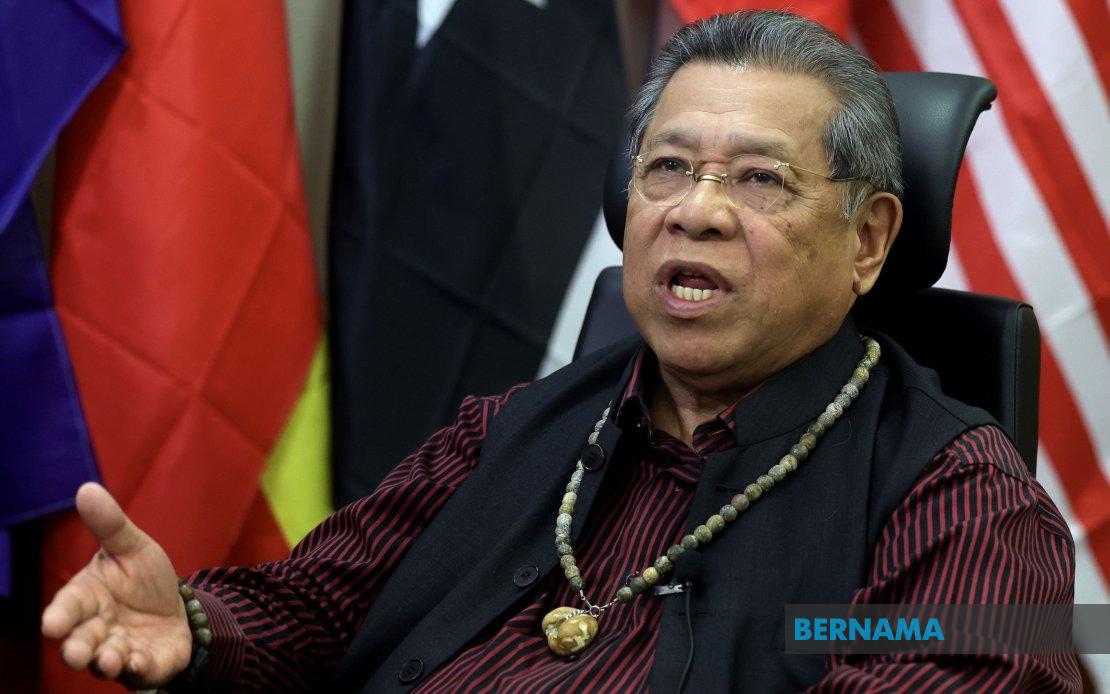
The substantial increase in federal allocations to Sabah will unlock significant development opportunities across the state, potentially transforming infrastructure and service delivery in key sectors. Tan Sri Pandikar Amin Mulia, president of the United Sabah National Organisation (USNO), expressed confidence that the boosted funding envelope would facilitate the implementation of numerous projects designed to improve living standards and economic prospects for Sabahans. Speaking at the 2026 PKR National Congress in Melaka on August 15, he underscored the multiplier effects such investments would generate, not merely for the state but for the broader Malaysian economy.
The figures underlying this optimism are substantial. Prime Minister Datuk Seri Anwar Ibrahim disclosed during his presidential policy address at the congress that federal allocations to Sabah have climbed by 35 per cent in just four years, rising from RM13 billion in 2022 to RM17.6 billion in 2026. This upward trajectory represents one of the most significant budget increases for an East Malaysian state in recent years, signalling a renewed commitment to addressing the development gap between Peninsular Malaysia and the eastern states. The magnitude of this increase—RM4.6 billion—could potentially cover major capital projects ranging from infrastructure rehabilitation to healthcare and education expansion.
Pandikar Amin's public endorsement of the federal government's fiscal direction also carries political significance. As a prominent voice in Sabahan politics, his backing reinforces the MADANI Government's narrative that it remains responsive to the needs of non-peninsular states, a sentiment that has historically been contentious in East Malaysian political discourse. His comments suggest that key stakeholders within the Sabah political establishment perceive the Anwar administration as genuinely committed to redressing long-standing grievances about resource allocation and infrastructure deficits.
The allocation increase must be contextualised within the broader debate over equitable resource distribution across Malaysia's thirteen states and three federal territories. For decades, Sabah and Sarawak have articulated concerns about receiving disproportionately lower per capita federal funding compared to their Peninsular counterparts, notwithstanding their vastness, dispersed populations, and challenging terrain requiring costlier infrastructure solutions. The 35 per cent increase signals an attempt to recalibrate this historical imbalance, though questions persist about whether such increments adequately compensate for previous shortfalls or merely represent catch-up adjustments.
Prime Minister Anwar also moved to address criticism that the MADANI administration neglects certain states, a charge that has periodically surfaced in political discourse. He clarified that budgetary allocations are calibrated according to state-specific developmental priorities rather than distributed uniformly, a differentiated approach that reflects varying infrastructure needs, population densities, and economic baselines. This explanation attempts to distinguish between perceived inequity and rational resource prioritisation, though the distinction remains subject to political contestation depending on how success is measured and distributed benefits are perceived.
The timing of these announcements at the PKR National Congress carries strategic political weight. By showcasing federal allocations to Sabah during the party's flagship annual gathering, the government emphasised inclusive governance and demonstrated tangible commitment to coalition partners across the federation. This messaging was particularly pertinent given ongoing discussions about the stability of Malaysia's federal coalition and the importance of maintaining cross-regional political cohesion.
For Sabahan communities, the practical implications of increased federal funding will depend substantially on how these allocations are deployed. Whether funds address chronic infrastructure deficits in rural areas, enhance healthcare and educational facilities, support economic diversification beyond primary industries, or fund major connectivity projects will determine whether the budget increase translates into meaningful improvement in quality of life. The track record of project implementation, transparent procurement processes, and community consultation will prove equally important as the headline budget figures.
The development trajectory that Pandikar Amin anticipates hinges also on effective coordination between state and federal governments. Sabah's political landscape has historically been characterised by complex factional dynamics and coalition arrangements, which can either facilitate or impede cohesive utilisation of federal resources. Successful project delivery requires institutional capacity, political stability, and alignment between state leadership and federal priorities—factors that have not always coalesced seamlessly in the past.
Regionally, Sabah's enhanced funding position may influence perceptions and expectations among other East Malaysian constituencies. Sarawak will likely benchmark its own allocations against Sabah's gains, potentially intensifying discussions about relative fairness and proportionate distribution. This dynamic could shape broader conversations about fiscal federalism and the mechanism for determining inter-state resource allocation across the federation.
The 35 per cent increase also reflects macroeconomic considerations. At a time when Malaysia grapples with fiscal consolidation objectives and competing budgetary pressures, directing substantial additional resources to Sabah demonstrates political prioritisation and confidence in the state's capacity to absorb and productively utilise expanded funding. However, this investment thesis presupposes that infrastructure bottlenecks and implementation capacity constraints can be overcome, prerequisites that warrant close monitoring as projects commence.
Looking forward, the success of this funding commitment will be measured not merely by budget figures but by observable developmental outcomes. Communities across Sabah will assess whether increased federal allocation manifests as improved roads, upgraded hospitals, better educational institutions, and enhanced economic opportunities. Political sustainability of this commitment will also depend on whether subsequent administrations maintain these funding levels, a consideration that extends beyond the current parliamentary term.

