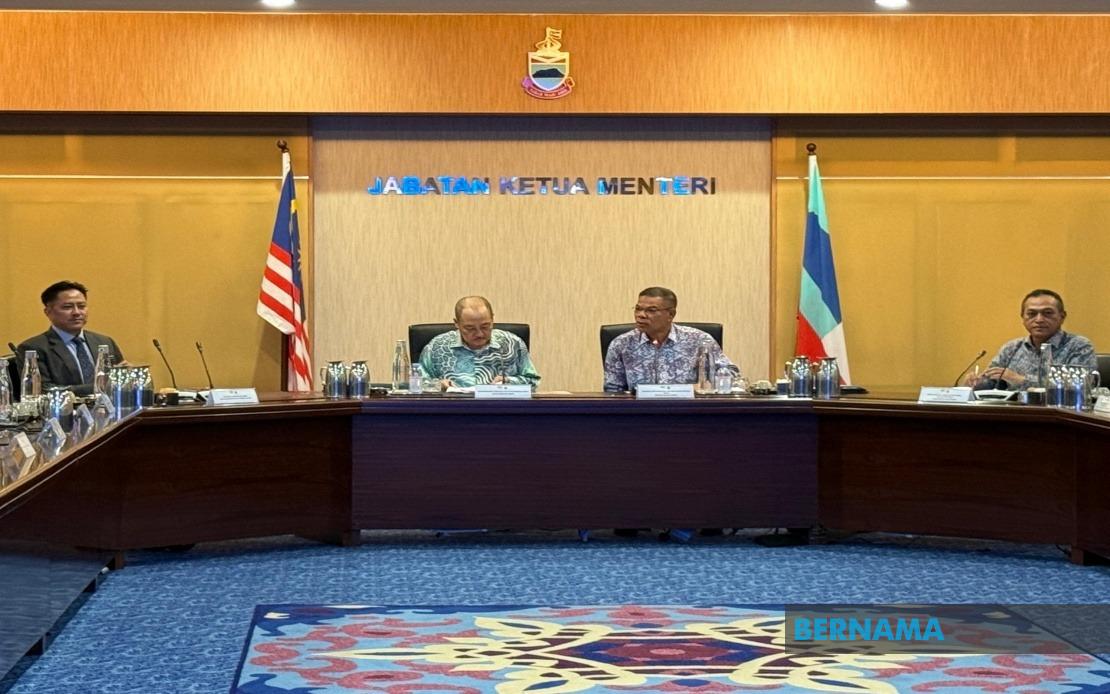
Sabah's state government is mounting a concerted diplomatic campaign to persuade foreign embassies and high commissions to downgrade travel advisories for its eastern region, capitalising on what officials characterise as sustained improvements in maritime and border security. Chief Minister Datuk Seri Hajiji Noor outlined the initiative following a joint committee meeting held in Kota Kinabalu on August 6, emphasising that strategic messaging to international missions could significantly reshape perceptions of safety in the Eastern Sabah Security Zone and unlock economic benefits through renewed tourist arrivals.
The push reflects a calculated attempt to convert genuine security achievements into tangible commercial advantage. Hajiji stressed that positive developments on the ground—particularly the absence of kidnap-for-ransom incidents since January 2020—warrant formal reconsideration by foreign governments of their existing travel cautions. The six-year kidnapping hiatus represents the culmination of systematic operations against piracy and extremist-linked criminality that historically plagued Sabah's waters and islands, threatening both residents and international visitors.
The diplomatic offensive gains significance against Malaysia's broader tourism recovery efforts in Southeast Asia. Foreign travel advisories function as powerful signals to international markets and directly influence tourist flows; even cautionary language can substantially depress visitor numbers and investment activity regardless of actual risk levels. By securing formal reassessment from foreign ministries, Sabah hopes to rehabilitate its image among Western tourists and investors who rely heavily on official guidance when planning regional travel.
Hajiji's recent inspection tour of six strategic island locations served as fieldwork informing this diplomatic strategy. By personally verifying operational readiness at security installations throughout Sabah's maritime territory, the Chief Minister gathered current intelligence that substantiates claims of effective border management. Such direct observation strengthens the credibility of representations made to foreign missions, providing concrete evidence rather than abstract assurances of improved conditions.
The Eastern Sabah Security Command, the federal security apparatus primarily responsible for this accomplishment, has methodically dismantled the criminal infrastructure that once made coastal kidnappings routine. The operational success owes to coordination among ESSCOM, the Royal Malaysia Police, the Malaysian Armed Forces, and the Malaysian Maritime Enforcement Agency, representing a rare instance of sustained federal-state institutional alignment on a shared security priority. This multi-agency integration explains the durability of current conditions rather than temporary fluctuations in security.
Home Minister Datuk Seri Saifuddin Nasution Ismail's participation in the committee meeting underscores Putrajaya's commitment to supporting Sabah's diplomatic initiatives. The federal government's willingness to engage foreign missions on behalf of state interests demonstrates the political weight assigned to this matter and suggests coordination between Kuala Lumpur's diplomatic service and Sabah authorities in approaching embassies with unified messaging about security improvements.
The diplomatic strategy carries implications beyond tourism promotion. Enhanced travel confidence facilitates broader economic engagement—foreign investors evaluating industrial projects, infrastructure partnerships, and commercial ventures throughout eastern Sabah conduct informal risk assessments partly informed by travel advisory language. Relaxed warnings thus potentially unlock investment opportunities in maritime commerce, palm oil processing, and ancillary industries throughout the region. The economic multiplier effects of restored international confidence ripple through local employment, government revenues, and development capacity.
Sabah's initiative addresses a persistent paradox affecting the state's development trajectory. The region possesses substantial natural resources, established port infrastructure, and strategic positioning within Southeast Asian shipping lanes, yet historical security concerns have constrained its economic realisation relative to peer jurisdictions in Malaysia and the region. Travel advisories function as semi-permanent economic handicaps regardless of whether underlying conditions justify them; diplomatic effort to reset international perceptions thus represents practical development policy.
The timeline for foreign missions to undertake formal reassessment remains uncertain, however. Embassies typically conduct independent evaluation cycles governed by their own institutional schedules rather than responding immediately to state-level requests. Some missions may require extended periods of observation before revising publicly issued warnings, whilst others may conduct formal consultations with regional security analysts or intelligence services. Diplomatic movement typically proceeds at deliberate pace rather than reflecting the urgency felt by Sabah stakeholders.
Successful diplomatic engagement will likely require sustained representation beyond the initial overtures. Foreign missions frequently revise advisories following cumulative evidence of improvement rather than isolated assertions, meaning Sabah authorities must maintain consistent communication channels and continue documenting security achievements. The diplomatic campaign thus represents a medium-term undertaking demanding persistence from state officials and continued operational excellence from security forces.
The security gains underlying this diplomatic effort represent measurable achievement in Malaysia's broader counter-terrorism and counter-piracy operations. The absence of kidnappings since early 2020 reflects deliberate strategic priorities and resource commitments by federal security agencies, alongside improvements in maritime domain awareness through technological and personnel investments. These operational foundations provide legitimate grounds for diplomatic advocacy and distinguish Sabah's position from regions where security assertions lack empirical support.
For Malaysian readers, Sabah's diplomatic initiative illustrates how security improvements can catalyse economic benefits through their effects on international perceptions. The campaign demonstrates state government engagement with practical tools of economic development beyond conventional sector-based policies. Success in repositioning Sabah's international image could provide valuable lessons for other Malaysian regions managing security-perception-development challenges.
As Sabah pursues this diplomatic agenda, the underlying imperative remains maintaining the security conditions that justify optimistic representations to foreign missions. Complacency in operational vigilance could rapidly reverse progress, whilst continued commitment to maritime and border security investments ensures the factual basis for sustained diplomatic claims remains robust.

