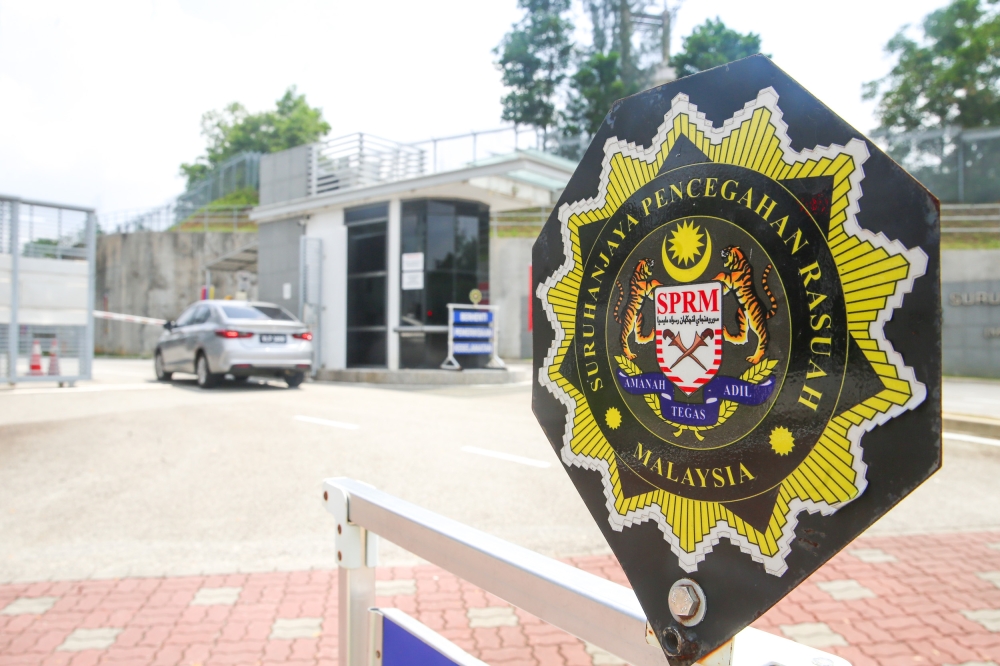
The Malaysian Anti-Corruption Commission executed an arrest in Kota Kinabalu on July 21 against the president of a Sabah non-governmental organization, bringing him in for questioning regarding suspected misappropriation of approximately RM2 million in organizational funds. The development signals intensified scrutiny by anti-corruption authorities into the management of civil society resources in the state.
This enforcement action underscores the MACC's commitment to investigating financial irregularities within the NGO sector, a domain where oversight mechanisms have sometimes proven inconsistent. The arrest reflects broader concerns about governance standards across organizations handling public contributions and donor funds, particularly those engaged in community development and social welfare activities throughout Sabah.
The specific allegations centre on the unauthorized transfer or diversion of institutional monies, a category of financial misconduct that authorities treat with considerable seriousness given the breach of public trust involved. NGOs operating in Malaysia typically receive funds from government grants, international donors, corporate sponsors, and individual contributors—all of whom expect transparent financial stewardship and proper accounting practices.
Sabah's NGO landscape encompasses hundreds of registered organizations spanning environmental conservation, indigenous affairs, community health, education, and social services. The sector plays a crucial role in regional development, particularly in addressing issues specific to the state such as migrant worker welfare, forest conservation, and indigenous land rights. When leadership figures face corruption allegations, the reputational impact extends beyond individual organizations to affect public confidence in the entire civil society ecosystem.
The MACC's investigative scope typically expands to examine documentation, bank records, and witness testimonies to establish whether funds were deliberately misappropriated for personal benefit or diverted toward unauthorized purposes. Investigators will likely scrutinize the organization's financial controls, approval processes, and whether internal audit mechanisms existed to detect irregularities before they escalated into multi-million ringgit discrepancies.
For Malaysian readers accustomed to following anti-corruption developments, this case exemplifies how enforcement agencies now extend oversight beyond government agencies and state enterprises into the broader ecosystem of civil society. The trend reflects international best practice standards that recognize corruption risks exist across sectors regardless of organizational structure or stated non-profit status.
The arrest's timing and location in Sabah carries particular significance given the state's geographical distance from federal oversight centres and its unique administrative framework within Malaysia. Sabah's capital Kota Kinabalu has developed into a regional hub for NGO activity, attracting organizations addressing transnational issues including human trafficking, maritime environmental protection, and cross-border developmental concerns affecting Brunei and Indonesian territories.
Investigators will need to determine whether the suspected misappropriation occurred through overt theft, falsified documentation, unauthorized personal loans from organizational accounts, or complex schemes involving shell transactions. The RM2 million quantum suggests systematic rather than incidental financial irregularity, potentially spanning multiple transactions across an extended timeframe requiring forensic accounting expertise.
The arrest raises important questions about internal governance structures within NGOs across Southeast Asia. Many organizations operate with limited financial oversight capacity, relying on part-time boards or volunteers to manage substantial budgets. This structural reality sometimes creates vulnerability to misappropriation, whether through incompetence or deliberate misconduct. The MACC investigation may consequently prompt broader reflection within Sabah's civil society sector about strengthening institutional controls and transparency standards.
From a Southeast Asian perspective, this case fits within a larger pattern of enforcement intensification against white-collar misconduct across the region. Neighbouring jurisdictions including Singapore, Thailand, and Indonesia have similarly expanded anti-corruption investigations into civil society organizations, reflecting recognition that organizational form does not immunize against corruption risk. The development suggests Malaysian authorities are aligning with regional best practices in comprehensive corruption prevention.
The detention also carries implications for donor confidence, particularly among international organizations providing development assistance to Malaysian NGOs. Foreign funders increasingly conduct due diligence on recipient organization governance standards, and high-profile arrests of NGO leadership inevitably prompt reassessments of partnership arrangements and fund allocation decisions. This potentially constrains resources available to Sabah-based organizations pursuing legitimate social and environmental objectives.
The investigation's progression through MACC procedures will involve detention periods for questioning, potential bail hearings, and formal charge decisions. The broader inquiry into the organization's financial management may take considerably longer to complete, potentially extending across months as investigators reconstruct transaction histories and interview board members, staff, and external stakeholders. Public disclosure of findings, if prosecutorial action proceeds to trial, will offer insights into how the misappropriation scheme reportedly operated and what control failures permitted the alleged misconduct.

