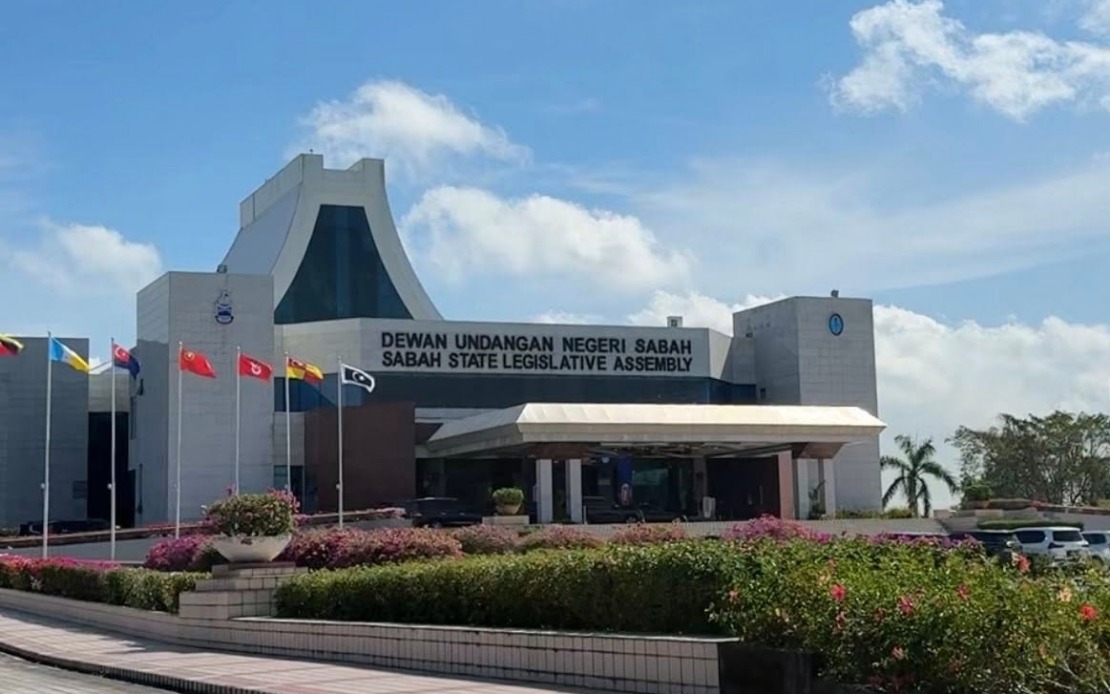
The Sabah Legislative Assembly has taken a significant step forward in modernising its legal framework, approving two pivotal pieces of legislation on July 22 that will reshape how the state handles Muslim inheritance matters and resolves disputes within native communities. The Muslim Succession Bill 2026 and Native Courts Bill 2026 both secured passage after substantive parliamentary debate, representing what officials describe as the first comprehensive suite of reforms addressing these sectors in years. The dual legislative push reflects growing recognition across Sabah's political establishment that outdated legal frameworks no longer adequately serve the state's diverse population and their evolving needs.
Datak Dr Mohd Arifin Arif, the Sabah Local Government and Housing Minister who oversees the state's Islamic Affairs portfolio, steered both bills through assembly procedures and articulated the government's underlying rationale. His presentation underscored a consistent theme: the necessity of replacing piecemeal, incremental governance with systematic, coherent legal structures capable of protecting vulnerable parties and preventing asset mismanagement. The Muslim Succession Bill 2026 emerged from five assemblymen's deliberations under the auspices of state assembly speaker Datuk Seri M Kadzim Yahya, while the Native Courts Bill 2026 proceeded through a more extensive debate involving a dozen assemblymen, chaired by deputy speaker Datuk Richard Wong We Kong.
The Muslim Succession Bill 2026 addresses a conspicuous gap in Malaysia's legal landscape. According to Mohd Arifin's parliamentary remarks, this represents the nation's first legislation expressly designed to govern the administration of Muslim estates within the jurisdiction and powers of Sabah's Syariah Courts. The legislative framework rests upon four foundational considerations that collectively seek to eliminate ambiguity and inconsistency in how Islamic inheritance law operates in practice. Establishing systematic legal governance of Muslim succession was identified as the primary imperative, reflecting longstanding concerns about the absence of clear procedural guidelines that could lead to disputes, delays, and uncertainty for grieving families navigating the probate process during emotionally fraught periods.
Protecting the rights and interests of all heirs and other parties with legitimate claims upon an estate forms the second pillar of the new legislation. Malaysia's multicultural and multi-religious society means that inheritance disputes frequently involve complex family structures, business relationships, and competing creditor claims that demand transparent, equitable resolution mechanisms. By establishing a more systematic framework, Sabah authorities hope to reduce litigation and ensure that estate distribution reflects both syariah principles and practical fairness across diverse circumstances. The third consideration emphasises streamlining the administrative process itself, ensuring that deceased estates are managed in accordance with Islamic law while maintaining efficiency and accountability throughout probate proceedings.
The fourth consideration directly addresses fraud and misconduct risks that can plague estate administration when oversight mechanisms prove inadequate. By strengthening compliance and enforcement provisions, the new bill aims to prevent estate assets from being concealed, misappropriated, or distributed without proper authorisation. This reflects broader governance concerns applicable across Malaysia, where high-profile inheritance disputes have occasionally revealed instances of unethical administration. For Malaysian readers accustomed to following such cases in the media, the legislative response signals a commitment to institutional safeguards that protect vulnerable beneficiaries, particularly widows and minor children dependent on equitable estate distribution.
The Native Courts Bill 2026 addresses an equally pressing concern within Sabah's legal ecosystem, modernising customary justice mechanisms that have remained largely unchanged since their 1992 enactment. Over three decades, Sabah society has evolved substantially, with economic development, urbanisation, and changing social patterns rendering the original framework increasingly disconnected from contemporary realities. Yet legislators faced a delicate balancing act: reform must enhance the system's responsiveness and comprehensiveness without dismantling the cultural foundations and customary principles that give native courts their legitimacy and significance within indigenous communities.
Mohd Arifin characterised the new legislation as providing a more comprehensive, structured, and responsive legal framework that honours developments in judicial administration while respecting Sabah's native communities' distinctive aspirations and traditions. This philosophical approach reflects broader regional trends across Southeast Asia, where multiple jurisdictions grapple with integrating customary law systems into modern state structures. The bill introduces structural reorganisation through establishment of a hierarchical Native Court system comprising the Native District Court, Native High Court, and Native Court of Appeal. This three-tiered structure mirrors conventional court hierarchies found in common law jurisdictions, potentially improving access to appellate review and clarifying jurisdictional boundaries that may have been ambiguous under previous arrangements.
A particularly significant innovation involves the Native Judicial Appointments Advisory Committee, which introduces transparency and merit-based principles into judicial selection. Previously, appointments often reflected administrative positions or seniority within bureaucratic hierarchies rather than demonstrable judicial capability or specialised knowledge of customary law. The reformed system explicitly prioritises qualifications, integrity, experience, and substantive understanding of native customary legal principles. This professionalisation of the native judiciary carries implications extending beyond Sabah, potentially serving as a model for other Malaysian states or regional jurisdictions seeking to strengthen customary justice institutions whilst maintaining cultural authenticity.
For Malaysian readers and regional observers, these legislative developments carry several interconnected significance. First, they demonstrate that Malaysia's states retain meaningful legislative autonomy to address community-specific governance challenges, with Sabah exercising considerable independence in reforming Islamic and customary legal frameworks. Second, they reflect maturation in how Malaysia approaches the integration of religious and customary law within the broader constitutional order, moving beyond minimalist compliance toward proactive system enhancement. Third, the reforms acknowledge that Malaysia's indigenous and Muslim communities deserve legal frameworks designed specifically for their circumstances rather than adapted secondhand from generic national templates.
The passage of both bills following substantive parliamentary debate rather than by acclamation suggests genuine legislative engagement across party and factional lines. The relatively extended deliberations—five assemblymen for the Muslim Succession bill and twelve for the Native Courts bill—indicate that legislators took opportunities to scrutinise proposals, propose amendments, and raise concerns rather than rubberstamping government initiatives. Such procedural rigour strengthens confidence that the final legislative products reflect broad-based consensus and incorporate diverse perspectives.
Looking forward, the bills' effectiveness will depend substantially on implementation mechanisms, resource allocation, and institutional capacity within Sabah's judicial and administrative systems. Training judges and court personnel in new procedures, establishing clear operational guidelines, and managing the transition from legacy systems to reformed frameworks all present considerable practical challenges. Regional jurisdictions monitoring these developments will likely observe whether Sabah successfully executes this ambitious dual reform agenda, with potential implications for similar initiatives elsewhere in Malaysia and Southeast Asia.

