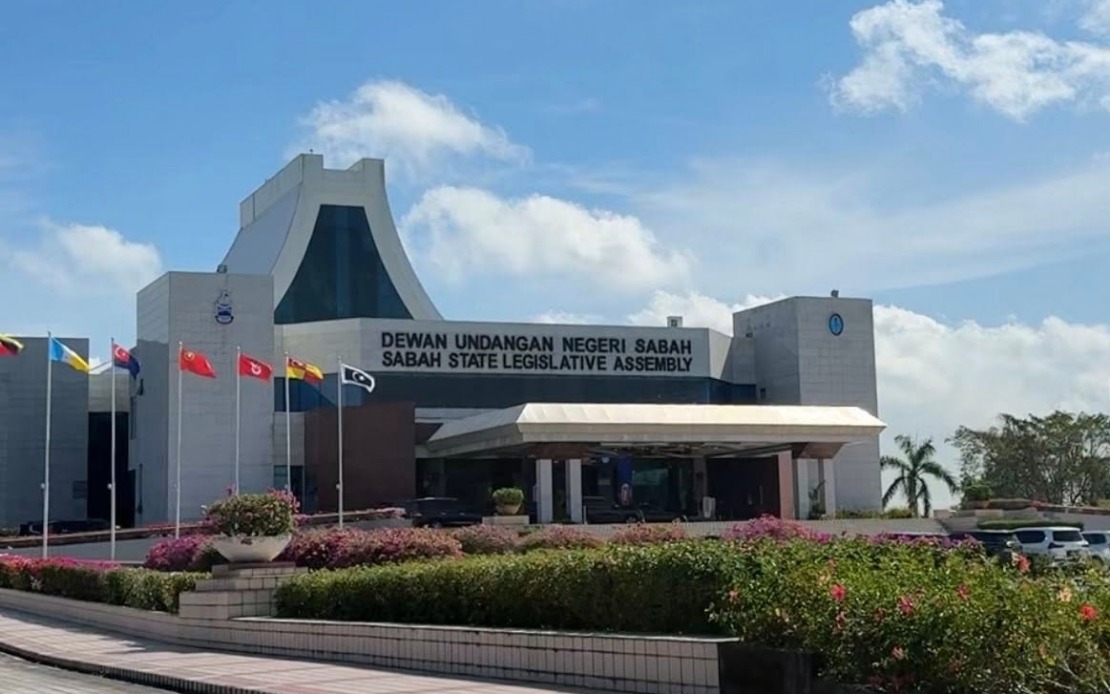
The Sabah State Legislative Assembly has given the green light to an additional RM1.61 billion in spending for 2026, marking a significant injection of resources into the state's fiscal framework. The supplementary supply bill cleared its legislative hurdle on July 21 following parliamentary debate that engaged 42 assemblymen, underscoring the measure's importance to the broader Sabah development agenda.
Deputy Chief Minister II Datuk Seri Masidi Manjun, who doubles as State Finance Minister, tabled the proposal the previous day and steered it through the assembly chamber. The measure secured approval through majority voice vote under the watchful eye of Sabah State Legislative Assembly Deputy Speaker Datuk Al Hambra Tun Juhar. The passing of such a substantial financial package without significant controversy suggests broad consensus among Sabah's lawmakers on the spending priorities laid out.
The RM1.61 billion allocation has been distributed across six distinct expenditure categories, each addressing different operational and developmental needs across the state. The largest single commitment goes towards statutory fund contributions, which will receive RM856 million. These mandatory payments typically cover fixed obligations such as debt servicing, pension liabilities, and other non-discretionary commitments that Sabah must honour regardless of economic conditions. This substantial allocation reflects the state government's recognition that these foundational financial obligations must be met before discretionary spending can proceed.
Operating expenditure claims the second-largest slice at RM278 million, channelled towards the day-to-day running costs that keep state institutions and services functioning. This category encompasses salaries, utilities, maintenance, and other recurring administrative expenses necessary to maintain the machinery of government and deliver essential services to Sabah's residents. Without adequate operating funds, even well-designed programmes cannot be implemented effectively.
Development expenditure receives RM210 million, resources directed towards infrastructure projects and capital investments intended to strengthen Sabah's economic foundations and improve public facilities. This spending category is crucial for longer-term growth, as it supports construction of roads, schools, hospitals, and other assets that generate economic activity and improve quality of life. For a state like Sabah with significant geographic challenges and development aspirations, such capital investment remains essential.
Administrative expenditure, accounting for RM162 million, covers the overhead costs associated with running government departments and agencies. This includes office equipment, technology systems, training programmes, and other institutional operating expenses that enable effective administration. While sometimes viewed as overhead, administrative efficiency directly impacts service delivery quality.
State grants totalling RM93 million represent funds that the state government channels to local authorities, statutory bodies, and community organisations to support specific programmes and activities aligned with state development priorities. These grants often serve as catalysts for local development initiatives and empower smaller entities to pursue projects they might not undertake independently.
The supplementary bill also allocates RM13 million for special allocations, a flexible funding category typically reserved for unforeseen circumstances, emergency responses, or time-sensitive initiatives that warrant targeted investment. This reserve capacity allows governments to respond to unexpected challenges without requiring lengthy legislative procedures.
The timing of this supplementary supply bill underscores Sabah's approach to fiscal management during 2026. Rather than waiting until year-end to address additional funding needs, the state government has proactively sought legislative approval for expanded spending, indicating confidence in revenue projections and planned economic activity. For Malaysian observers, this demonstrates how state governments navigate between federal fiscal frameworks and their own revenue-raising capacity.
The assembly's endorsement came as part of ongoing parliamentary sessions, with lawmakers scheduled to resume deliberations the following day. This continuity suggests active engagement with multiple policy matters and legislative business, reflecting the assembly's role in guiding Sabah's governance agenda. The efficient passage of such a substantial financial measure indicates mature legislative procedures and relative political stability within the Sabah political establishment.
For Malaysia's broader economic picture, Sabah's supplementary spending decision carries regional implications. As one of the larger state economies, Sabah's capital investments and administrative capacity directly influence economic activity across Borneo, affecting employment, commerce, and development momentum in the eastern region. The allocation towards development expenditure particularly matters for infrastructure-dependent regions where private sector investment alone cannot deliver necessary public goods.
The composition of this supplementary budget reveals Sabah's balanced approach to fiscal responsibility. The substantial statutory commitments demonstrate honoring of existing obligations, while development expenditure signals continued investment in future capabilities. This mix suggests measured optimism about the state's financial health alongside prudent management of fixed costs.

