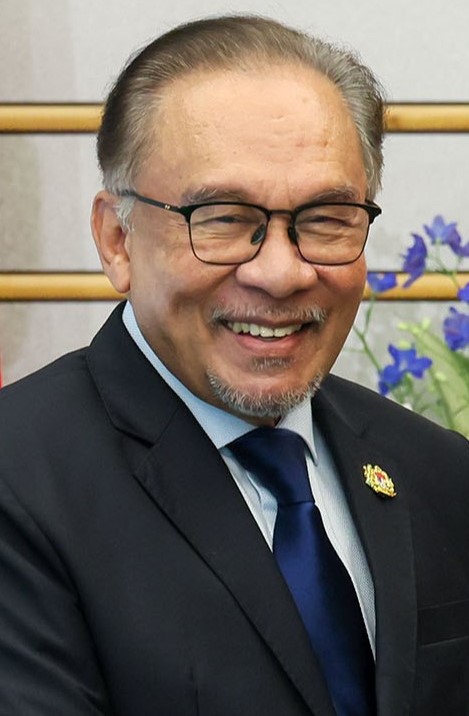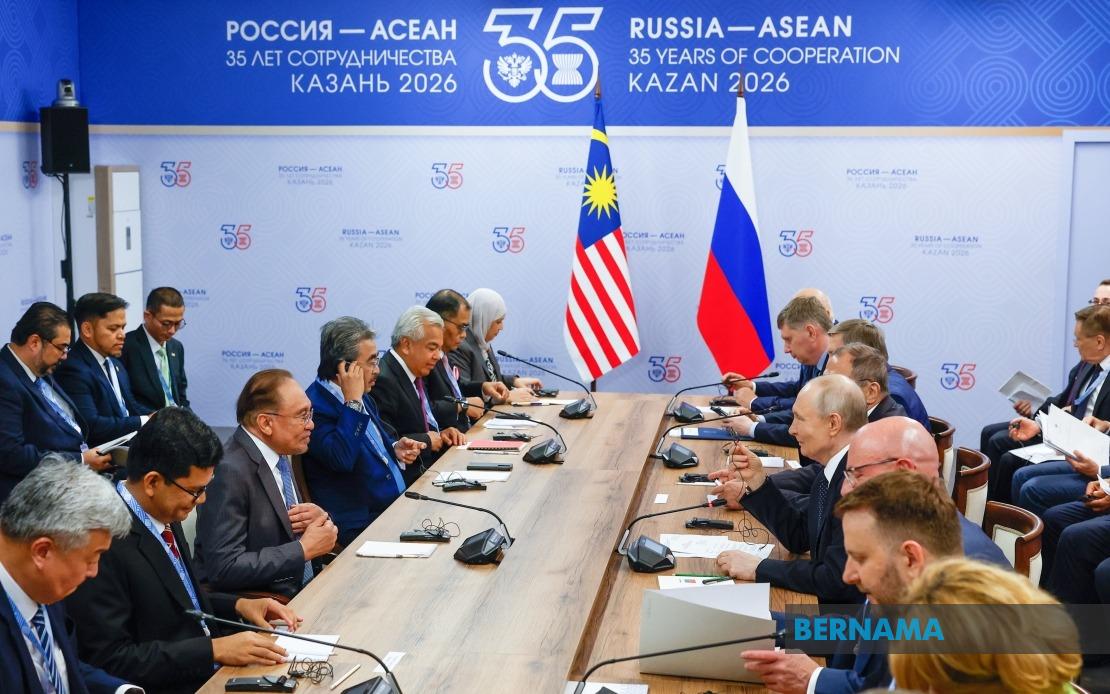
Russian President Vladimir Putin and Malaysian Prime Minister Datuk Seri Anwar Ibrahim have signalled their intention to significantly expand cooperation between their countries as the two nations approach a pivotal diplomatic anniversary. During bilateral discussions held on the margins of the ASEAN-Russia Commemorative Summit in Kazan on June 18, Putin emphasised the strength of the existing relationship and outlined ambitious plans for future engagement across multiple sectors. The timing of the meeting carries particular significance, with 2026 marking the 60th anniversary of formal diplomatic ties between Moscow and Kuala Lumpur, a relationship that Putin characterised as built upon decades of mutually beneficial collaboration.
Putin's remarks underscored Russia's confidence in the trajectory of its partnership with Malaysia, describing the bilateral framework as possessing a robust foundation from which to launch new initiatives. He highlighted the "substantive positive experience" accumulated through years of official and mutual cooperation, framing this accumulated goodwill as a launching point for deeper engagement. This language reflects a strategic assessment by the Russian leadership that Malaysia represents a valuable and stable partner within Southeast Asia, particularly given the region's growing geopolitical importance and Malaysia's influential position within ASEAN structures.
The institutional mechanisms supporting bilateral relations form an essential backbone to Russia-Malaysia cooperation. Putin noted that the two countries maintain consistent dialogue through their respective government ministries, agencies, and parliamentary bodies, creating multiple channels for coordination and communication at different levels. Beyond these formal governmental structures, the two nations have established an intergovernmental commission specifically tasked with advancing economic, scientific, technical, and cultural cooperation. This multifaceted institutional architecture enables the practical realisation of joint projects and demonstrates a level of organisational commitment that goes well beyond rhetorical pledges of friendship.
Trade dynamics between the two countries have shown encouraging momentum, with bilateral commerce expanding significantly in recent years. In 2025 alone, natural trade between Russia and Malaysia increased by 12.9 per cent, a development that Putin cited as evidence of the healthy state of economic relations. This growth trajectory suggests that despite various international pressures and geopolitical complexities affecting global commerce, Russian and Malaysian businesses have found ways to sustain and expand their commercial engagement. For Malaysian readers, this expansion carries implications for local exporters and importers who benefit from stable trading relationships with a large resource-rich economy.
Beyond the economic dimension, Putin emphasised Russia's commitment to broader areas of cooperation that reflect shared interests in human and social development. He specifically identified education, scientific research, technological advancement, tourism, and humanitarian exchanges as priority areas for deepening engagement. These sectors represent avenues through which the two countries can build people-to-people connections and foster understanding beyond government-to-government relations. For Malaysia, partnerships in education and science with Russia offer opportunities for knowledge transfer and research collaboration that could benefit domestic institutions and contribute to regional intellectual development.
Malaysia's pivotal role within ASEAN structures featured prominently in Putin's remarks, reflecting Russia's broader strategic interest in the regional organisation. Putin specifically welcomed Malaysia's support for strengthening the Russia-ASEAN strategic partnership, acknowledging that Malaysia was the host country for the historic first summit-level meeting between Russia and ASEAN in 2005. The Russian leader also expressed appreciation for Malaysia's continued support of Russia-ASEAN relations during Malaysia's recent tenure as ASEAN chair, suggesting that Moscow values Malaysia's diplomatic influence and ability to shape regional engagement patterns.
The historical context of Russia-Malaysia relations adds depth to contemporary discussions about bilateral cooperation. Putin's recollection of previous meetings with Malaysian leaders, including references to his prior engagement with Anwar in Malaysia itself, indicates a personal dimension to high-level relations that often proves valuable in maintaining political goodwill. His request to convey best wishes to His Majesty Sultan Ibrahim, King of Malaysia, reflects diplomatic protocol while also signalling respect for Malaysia's constitutional monarchy and institutional frameworks.
For Malaysian policymakers and business communities, the Kazan meeting represents an affirmation of Russia's continued interest in deepening engagement despite evolving international circumstances. The emphasis on institutional cooperation and measurable trade growth suggests that bilateral relations are not merely ceremonial but rather grounded in practical commercial and strategic interests. This stability could provide opportunities for Malaysian companies seeking alternative markets and partnerships, particularly in sectors where complementarities exist between the two economies.
The approaching 60th anniversary of diplomatic relations carries symbolic weight in international relations, often serving as a moment for both countries to reflect on achievements and chart future directions. For Russia, maintaining and strengthening its relationship with Malaysia and the broader ASEAN region remains strategically important given the region's economic dynamism and geopolitical significance. For Malaysia, the relationship with Russia offers diversified diplomatic options and access to resources and expertise that align with national development priorities.
Looking forward, the momentum established during the Kazan meeting suggests that both governments intend to use the 2026 anniversary as a springboard for launching new cooperative initiatives. The convergence of positive trade figures, institutional mechanisms, and demonstrated political will creates a favourable environment for expanding engagement across sectors that benefit both societies. Whether these commitments translate into concrete new projects and deepened cooperation will become apparent in the months leading up to the anniversary celebrations, but current indications suggest that Russian-Malaysian relations are positioned for substantive development in the near term.