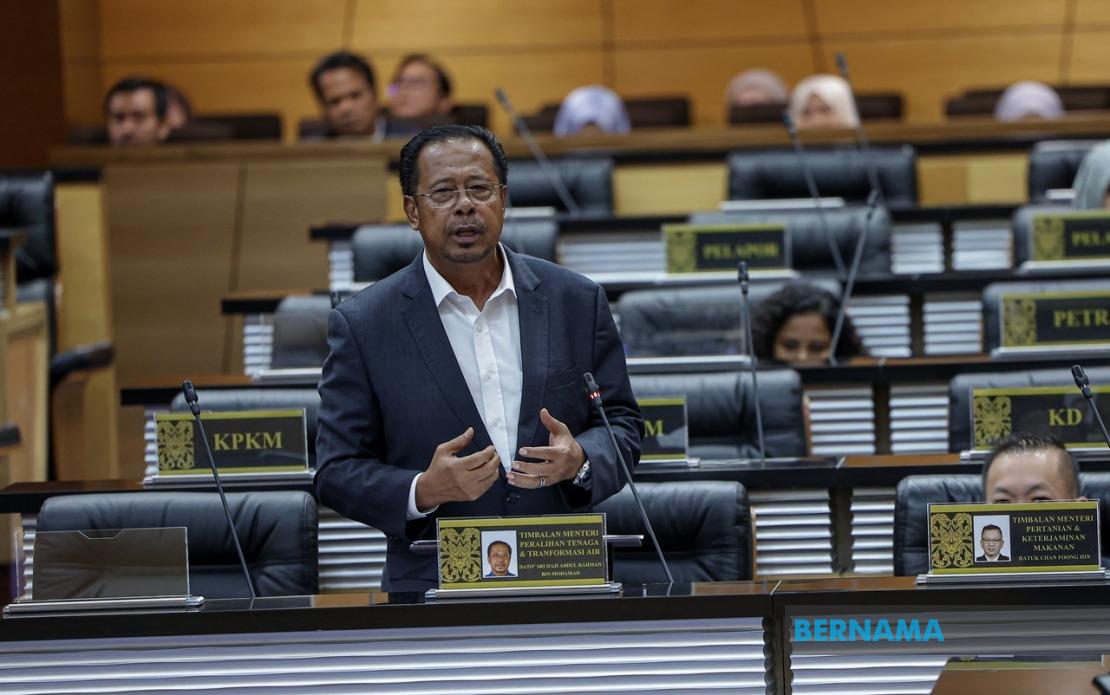
The federal government is advancing a major infrastructure initiative aimed at shielding thousands of Johor residents from recurring flood disasters. During a Dewan Rakyat sitting, Deputy Minister of Energy Transition and Water Transformation Datuk Seri Abdul Rahman Mohamad outlined details of the RM99.8 million Integrated River Basin Development project for Sungai Skudai, which forms part of the 12th Malaysia Plan and represents a significant commitment to managing the state's water-related vulnerabilities.
The project will fundamentally reshape flood management along this critical waterway, with engineers preparing to strengthen the 46-kilometre river's banks and widen designated sections to approximately 15 metres to enhance flow capacity. These structural modifications are designed to accommodate greater water volumes during heavy rainfall events, a persistent challenge in the region. The initiative encompasses multiple dimensions beyond mere flood control, including ecosystem restoration, improved navigability for fishing communities, and enhanced maritime security operations along the river corridor.
Current timelines indicate the project remains in its preparatory phase, though momentum is building. A consultant appointed in May 2025 is developing the comprehensive concept report, while survey work that commenced in November 2025 should conclude by May 2027. Concurrently, the government initiated land acquisition procedures in June 2026, with completion targeted for August 2027. These staggered processes reflect the complexity inherent in major river infrastructure projects, particularly in densely settled areas where multiple stakeholder interests must be reconciled.
The physical construction phase is anticipated to commence in mid-2027, contingent upon fulfilling all technical requirements and completing the procurement and contractor appointment processes. This timeline, while extending several years into the future, demonstrates the government's methodical approach to large-scale water management infrastructure. The extended pre-implementation period allows for thorough environmental assessments, community consultations, and engineering refinements that can prevent costly mistakes during the construction phase.
Beyond the main project, the ministry is already implementing six interim flood-mitigation initiatives valued at approximately RM700,000. These stopgap measures target the 50 identified flood hotspots distributed along Sungai Skudai, including five problematic locations within the Kulai area. This dual-track strategy—combining quick-win interventions with comprehensive long-term solutions—reflects pragmatic governance, acknowledging that residents cannot wait years for relief whilst comprehensive engineering solutions are being finalized.
The anticipated benefits extend substantially beyond flood protection alone. By improving drainage system capacity and optimizing water flow management, the project promises to reduce inundation in frequently affected residential and commercial zones. The river ecosystem restoration component addresses environmental degradation accumulated over decades of urban development and industrialization, potentially reviving fish populations and improving water quality. For the fishing communities dependent upon Sungai Skudai, the widening and deepening initiatives will enhance navigation capabilities for smaller vessels, directly supporting livelihoods whilst simultaneously benefiting emergency response and maritime enforcement agencies operating in the region.
The project's significance resonates beyond Johor's borders, offering a template for other Malaysian states grappling with intensifying flood events linked to climate variability. Southeast Asia's river basins face mounting pressure from urbanization, agricultural expansion, and changing precipitation patterns. Johor's experience with integrated basin development could inform regional approaches to managing these interconnected challenges. The emphasis on combining structural interventions—bank strengthening, widening—with ecosystem restoration represents a more holistic philosophy than purely engineering-focused flood management of previous decades.
For parliamentary oversight, Deputy Minister Abdul Rahman assured lawmakers that despite the extended timeline, the government remains committed to maintaining the schedule and transitioning to active construction by mid-2027. This assurance responds to legitimate concerns from representatives like Suhaizan Kaiat of Pulai, who sought clarity on implementation prospects and substantive impacts for constituents. The detailed responses provided—with specific measurements, hotspot identifications, and interim measures—suggest serious governmental investment in the initiative rather than rhetorical commitment.
Separately, addressing complementary infrastructure concerns, the Ministry of Works clarified that the RM174.53 million Phase Three upgrading of Pasir Gudang Highway will proceed without acquiring land from Keretapi Tanah Melayu Berhad. Instead, authorities will obtain work permits and right-of-way approvals from the railway operator. This approach, articulated by Works Minister Datuk Seri Alexander Nanta Linggi, circumvents potential delays and disputes that lengthy land acquisition proceedings might entail. Railway corridor works are scheduled between February 2027 and December 2028, aligning with the broader infrastructure modernization trajectory outlined for the peninsula.
The convergence of these water management and transportation investments reflects a broader government strategy to enhance Johor's resilience and economic competitiveness. Flood prevention directly supports business continuity and agricultural productivity, whilst highway modernization facilitates logistics and trade flows critical to the southern region's development. Together, these initiatives address infrastructure deficits accumulated during periods of constrained public finances and shifting governance priorities.
For Malaysian observers monitoring governmental effectiveness in implementing large-scale development commitments, the Sungai Skudai project offers a test case. Success would demonstrate capacity to deliver complex, multi-year infrastructure across technical, financial, and administrative dimensions. Conversely, delays or cost overruns would reinforce perceptions of execution challenges that periodically plague Malaysian development initiatives. The transparent parliamentary discussion, with specific timelines and measurements provided, establishes clear accountability benchmarks against which future progress can be measured.
The anticipated mid-2027 commencement of physical works represents a critical juncture. By that date, residents will have observable evidence of governmental commitment beyond planning documents and parliamentary statements. The interim RM700,000 investment in smaller-scale interventions serves both practical and political functions, demonstrating tangible action whilst comprehensive solutions undergo development. This sequenced approach acknowledges the legitimate anxiety of flood-prone communities whilst maintaining realistic timeframes for engineering and procurement processes that cannot be artificially accelerated without sacrificing quality and proper oversight.

