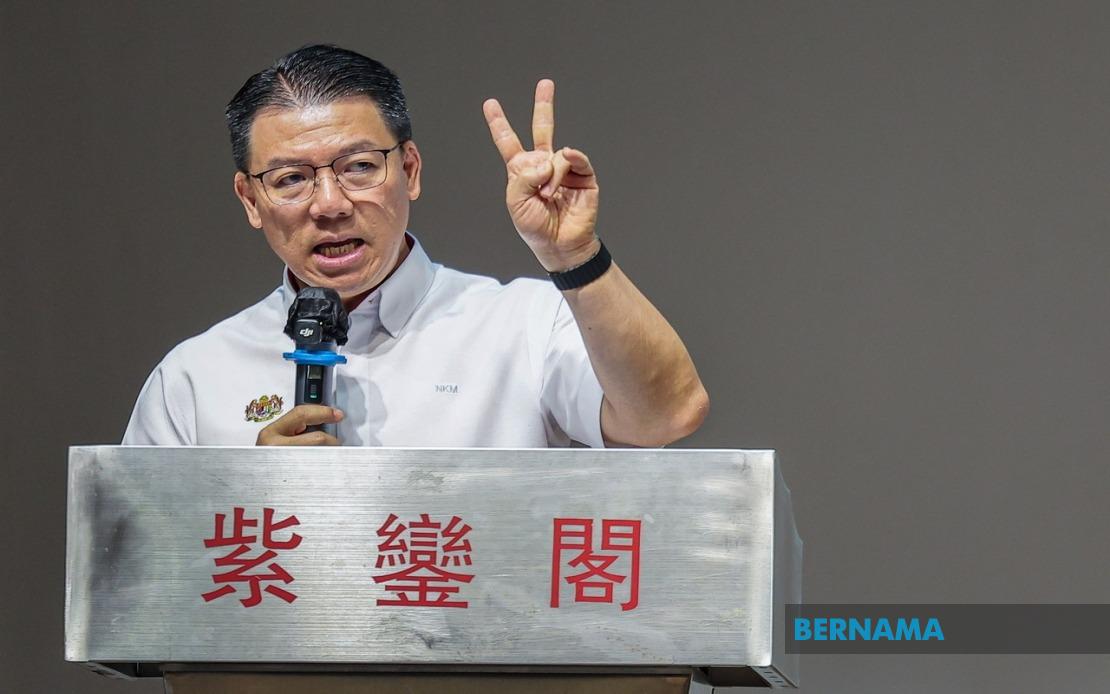
The Ministry of Housing and Local Government has allocated RM200 million to support the Non-Muslim Houses of Worship (RIBI) Maintenance Initiative across the country over a four-year period beginning in 2023, according to Housing Minister Nga Kor Ming. The comprehensive programme underscores the MADANI government's pledge to deliver equitable treatment to citizens regardless of religious affiliation, extending maintenance assistance to churches, gurdwaras, Hindu temples, mosques and related community organisations. This significant commitment reflects broader efforts to strengthen social cohesion and ensure religious facilities remain functional for their respective communities.
The initiative has garnered substantial public response since its launch, with the e-RIBI System registering 1,478 applications representing a combined value exceeding RM279 million. This overwhelming uptake demonstrates genuine demand within religious communities for upgrading and maintaining their places of worship, many of which serve as cultural and spiritual anchors within their neighbourhoods. The gap between allocated funds and applications received signals that future expansions may be necessary to address accumulated maintenance backlogs affecting these facilities across Malaysia's diverse landscape.
During an announcement in Kluang, Johor, Nga emphasized that the programme embodies the government's inclusive vision for national development. He articulated a philosophy that transcends ethnic and religious boundaries, stressing that Malaysia's multiethnic character constitutes a fundamental strength that demands protection and celebration. This rhetorical positioning counters divisive narratives by presenting interreligious support as both a practical necessity and a moral imperative for maintaining the country's stability and economic competitiveness. The minister's comments reflect growing recognition among policymakers that social harmony directly influences investor confidence and employment creation.
Johor, Malaysia's southernmost peninsular state, has received particular attention under the programme, with RM3.14 million allocated specifically for 27 facilities during the current financial year. Since the initiative's inception through May 2026, Johor has accessed RM18.75 million benefiting 154 religious organisations, demonstrating substantial regional commitment to infrastructure improvement. These resources support renovation, structural repairs, new construction projects and urgent maintenance work necessary to preserve functional standards across the state's diverse religious establishments.
The implementation framework emphasises transparency and accountability, with the ministry pledging rigorous oversight of approved projects to ensure funds reach genuinely deserving organisations. This monitoring approach addresses historical concerns about development programme efficacy and builds public trust in government resource distribution. Professional management of the initiative reinforces the principle that taxpayer money earmarked for community benefit serves its intended purpose without leakage or misallocation, particularly important given the cross-religious nature of the funding.
The RIBI initiative represents a departure from traditionally segmented development approaches in Malaysia, where government spending frequently follows communal lines. By creating a unified system supporting religious infrastructure across denominations, the programme challenges conventional thinking about public resource allocation in a multicommunal society. This approach acknowledges that infrastructure maintenance transcends religious identity—deteriorating buildings require repair regardless of their spiritual function, and communities deserve equal access to government support mechanisms.
For Southeast Asian nations navigating similar religious diversity, Malaysia's structured investment in non-majority religious facilities offers a replicable model. Many regional governments struggle to balance development spending between majority and minority faith communities, often creating resentment among under-resourced groups. The RIBI programme demonstrates that deliberate, quantifiable commitment to minority religious infrastructure can enhance social stability while addressing practical maintenance needs affecting quality of life for millions of citizens.
The minister's emphasis on unity over division carries particular resonance amid contemporary regional polarisation. By framing religious facility maintenance as a bridge-building exercise rather than accommodating minority demands, government messaging reframes interfaith support as mutually beneficial nation-strengthening. This narrative strategy acknowledges that Malaysia's economic viability depends on investors perceiving a country where religious minorities feel protected and integrated rather than marginalised, directly connecting social harmony to currency strength and job creation.
The programme's success ultimately depends on sustained implementation and adequate funding to address the backlog evident in application numbers. With nearly RM80 million in unmet requests, expansion discussions within government circles appear inevitable. Future phases should examine whether current allocation mechanisms equitably serve all religious communities, whether application processes remain accessible to smaller or less-resourced organisations, and whether maintenance standards remain consistent across all facilities regardless of their location or congregation size. These questions will determine whether the initiative fulfils its ambitious vision of comprehensive, inclusive religious infrastructure support.

