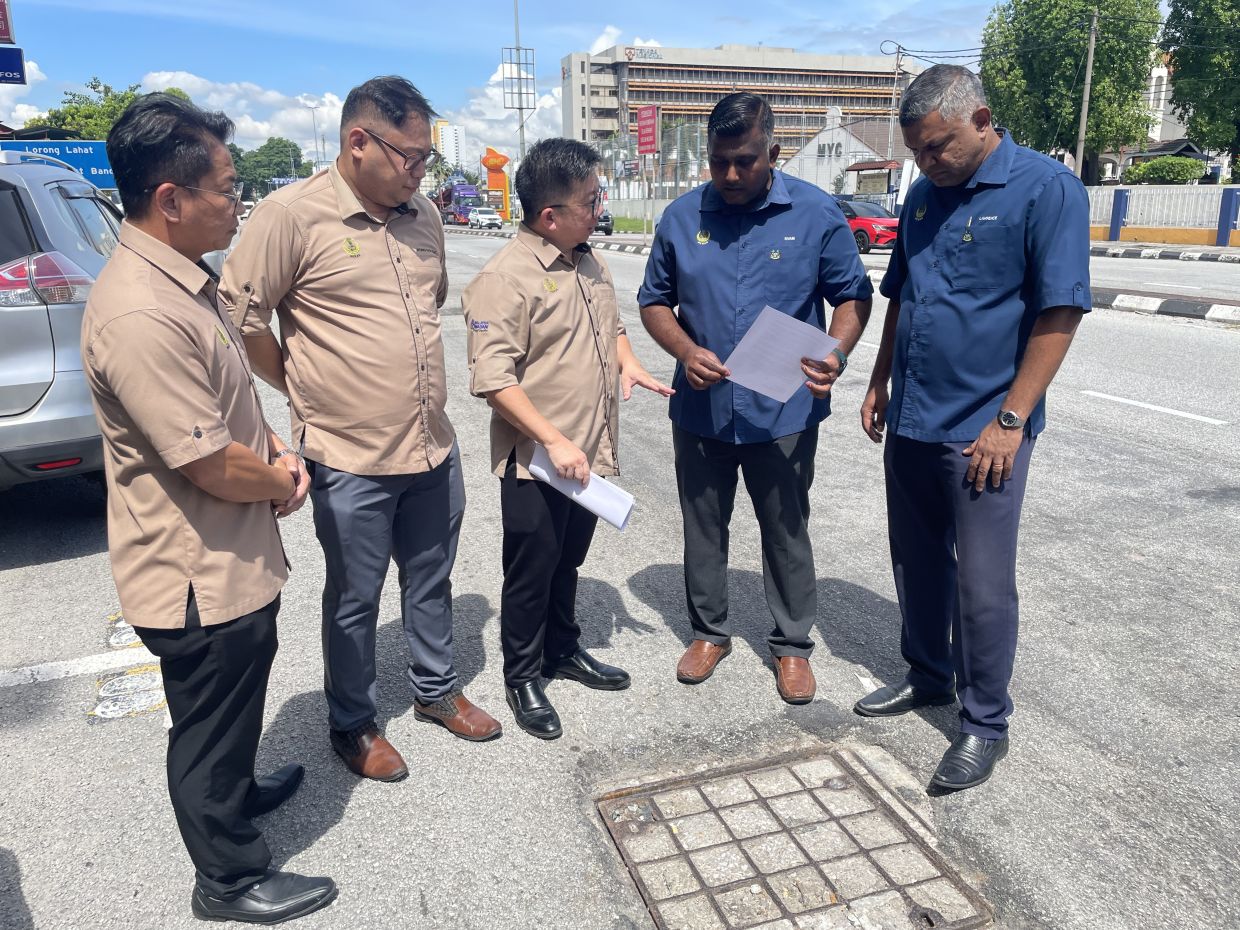
Ipoh motorists can expect significant improvements along Jalan Lahat following approval of a RM2.6mil resurfacing initiative scheduled to commence in July. The comprehensive road rehabilitation project will address nearly 4km of the thoroughfare that has deteriorated substantially over recent years, becoming a notorious hazard for daily commuters and commercial vehicles alike. The work encompasses the major arterial route linking the state constituencies of Buntong, Tebing Tinggi and Menglembu, regions with substantial residential and commercial activity that depend heavily on this transport corridor.
Menglembu assemblyman Chaw Kam Foon revealed the project details on Wednesday, June 24, noting that funding through the Malaysian Road Records Information System (Marris) will enable full-surface restoration rather than temporary patching solutions. The resurfacing effort targets the stretch between Falim traffic lights and the Jalan Leong Boon Swee junction near Little India, a section that has experienced persistent deterioration despite repeated remedial attempts. While Jalan Lahat extends approximately 10 to 11 kilometres in total, the current allocation focuses resources on the most critical segment, concentrating on roughly 1.9 kilometres in each direction to maximise impact where damage is most severe.
The deteriorating condition of Jalan Lahat has become increasingly visible to residents and regular users, with social media highlighting the severity of pothole formation and uneven surfaces across multiple sections. The issue gained considerable public attention when viral videos circulated showing a particularly dangerous pothole on a flyover section, raising serious safety concerns among motorists. Such incidents have prompted swift responses from authorities, with defects being patched immediately following public complaints. However, officials acknowledge that these temporary fixes have proven inadequate given the scale of underlying road damage and ongoing traffic pressures.
The human and economic toll of the road's poor condition has become quantifiable, with approximately twenty vehicles reporting tyre punctures during June alone as a direct result of striking potholes along the affected corridor. These incidents represent not merely inconveniences but genuine safety hazards and unexpected expenses for vehicle owners navigating what should be a reliable main road. The frequency of damage incidents underscores the necessity of comprehensive resurfacing rather than continued reliance on band-aid solutions that fail to address root causes of deterioration.
Councillor K. Sivam provided additional context regarding the project's timeline, explaining that formal requests for road rehabilitation have been submitted repeatedly since 2024, with approval finally materialising this year after sustained advocacy. The tender process for selecting contractors is currently underway, establishing the foundation for works commencement scheduled for July. Project completion is anticipated within approximately three weeks, a relatively rapid turnaround designed to minimise disruption to traffic flow and restore road functionality with reasonable expediency. This accelerated timeline reflects the urgency recognised by local authorities regarding the road's critical condition.
Jalan Lahat's significance extends beyond merely connecting neighbourhoods, as it serves essential functions as a primary route serving residential areas, educational institutions and commercial establishments throughout the corridor. The road experiences particularly heavy usage from large vehicles and commercial lorries transporting goods, placing extraordinary stress on the road surface. Previous patching efforts proved insufficient due to a combination of environmental factors—particularly weather-related stress and water infiltration—coupled with the unrelenting volume of traffic, especially heavy vehicles that cause accelerated wear and structural failure of insufficiently maintained surfaces.
Historical accountability for road degradation extends beyond normal wear and tear, with Sivam attributing significant damage to inadequately managed utility infrastructure works. Previous sewerage pipeline installations and other underground utility projects involved excavation procedures where subsequent road restoration failed to meet acceptable standards. These excavation sites were not properly reinstated, leaving sections with structural weaknesses that created vulnerability to further deterioration and premature failure. The resurfacing project will therefore include comprehensive rectification measures encompassing levelling of manholes, elimination of road undulations created by previous utility works, and repainting of lane markings to restore safety visibility and road standards.
Looking forward, authorities have implemented enhanced oversight mechanisms to prevent recurrence of such infrastructure-related damage. The Corridor Utiliti Darul Ridzuan (KUDR) has been designated with regulatory authority to monitor and supervise all future utility excavation works along the corridor, ensuring compliance with approved restoration specifications. Companies undertaking excavation projects will face meaningful consequences for substandard reinstatement, including financial penalties through compounding, formal fines, and mandatory orders to execute proper repairs to standards. This enforcement framework represents a significant shift toward accountability that should discourage corners being cut during utility restoration work.
The Jalan Lahat resurfacing project reflects broader challenges facing Malaysian municipalities regarding infrastructure maintenance and the coordination of multiple stakeholders sharing road usage rights. The convergence of heavy traffic demands, previous utility works, weather exposure, and deferred maintenance created conditions for accelerated deterioration that ultimately necessitated comprehensive intervention. For Ipoh residents and businesses depending on reliable transport infrastructure, the July commencement represents long-awaited recognition of legitimate community needs. The project also establishes a precedent for more rigorous oversight of utility companies and clearer accountability frameworks—lessons applicable across Malaysian urban centres facing similar infrastructure pressures and coordination challenges.

