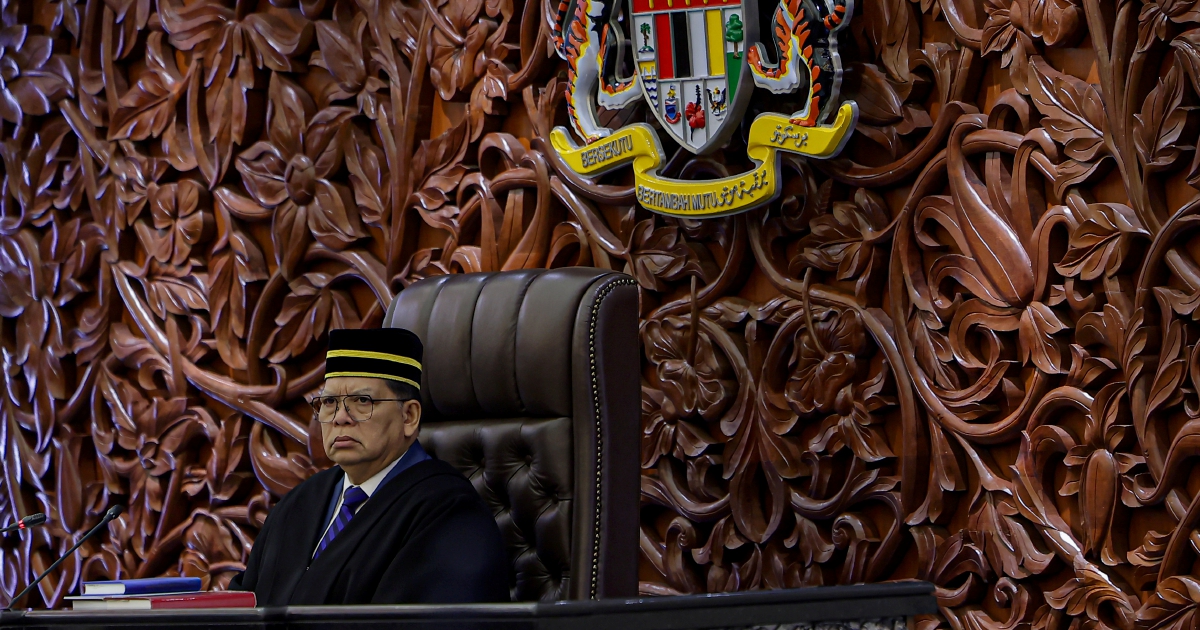
Malaysia's Minister in the Prime Minister's Department (Religious Affairs) Dr Zulkifli Hasan is set to present the comprehensive findings of the Royal Commission of Inquiry into Tabung Haji at a specially convened sitting of the Dewan Rakyat next week. The presentation marks a significant moment for the government in addressing sustained scrutiny of one of the country's most important financial institutions serving the Muslim community.
Tabung Haji, the statutory body responsible for facilitating and managing savings for Malaysian pilgrims undertaking the Hajj to Mecca, has faced mounting public concern over recent years regarding the management and performance of its investments. The establishment of the Royal Commission of Inquiry itself underscores the gravity with which authorities have treated allegations and questions surrounding the fund's operations and governance structures.
The forthcoming parliamentary presentation will serve as the formal channel through which the government communicates the RCI's conclusions to elected representatives and, by extension, to the Malaysian public. Such a platform provides transparency regarding the inquiry's investigative scope, methodology, and substantive findings. Parliamentary scrutiny allows legislators to pose questions and seek clarification on matters affecting millions of Malaysian Muslims who depend on Tabung Haji for their religious obligations.
For many Malaysian pilgrims, Tabung Haji represents far more than a financial mechanism; it embodies a critical pathway to fulfilling one of Islam's Five Pillars. Concerns about the institution's integrity therefore resonate deeply across the Muslim-majority nation. Any mismanagement or governance lapses could undermine public confidence in a system that has served generations of pilgrims seeking to undertake the sacred journey to Saudi Arabia.
The timing of the parliamentary presentation is significant for the government's broader agenda of institutional accountability and reform. By presenting RCI findings directly to Parliament rather than through other channels, the administration demonstrates a commitment to legislative oversight and democratic transparency. This approach aligns with expectations for modern governance structures, particularly for state institutions handling public funds.
The Tabung Haji inquiry emerged from a context of declining fund values and performance concerns that prompted calls for independent investigation. The Royal Commission framework itself represents Malaysia's constitutional mechanism for conducting comprehensive, impartial examinations of matters affecting the public interest. Such inquiries typically involve extensive documentation review, witness testimony, and expert analysis before reaching formal conclusions.
Parliamentary presentation of the findings creates an official record that can inform subsequent policy decisions, regulatory adjustments, or institutional reforms. Lawmakers will have the opportunity to debate the RCI's recommendations and consider what legislative or administrative measures might be necessary to strengthen Tabung Haji's governance and financial stewardship. This deliberative process is integral to responsive governance in a democratic system.
For Southeast Asian observers monitoring Malaysian institutional development, the handling of the Tabung Haji inquiry reflects broader regional patterns of how governments address financial governance concerns within religious institutions. Several nations in the region manage comparable pilgrimage funds or religiously-oriented financial bodies, making Malaysia's approach relevant to comparative institutional analysis.
The presentation will likely address specific findings regarding investment decisions, asset management, oversight mechanisms, and accountability structures within Tabung Haji. The RCI's assessment of internal controls, board governance, and compliance with regulatory frameworks typically forms the substantive core of such inquiries. Any findings of impropriety or governance deficiencies will shape public understanding of how extensively systemic issues may have developed.
Stakeholder reactions—from religious scholars to financial analysts to ordinary pilgrims—will follow the parliamentary presentation. These responses will shed light on public perception of the government's handling of the matter and the adequacy of proposed solutions. Trust in Tabung Haji's management remains essential for continued participation from Malaysian Muslims in the pilgrimage savings scheme.
The special parliamentary sitting underscores that deliberations on Tabung Haji warrant dedicated legislative time and focused attention beyond routine parliamentary business. This designation reflects institutional importance and public concern intensity. For Dr Zulkifli Hasan, presenting these findings represents a significant responsibility in communicating findings that may substantially affect public assets and religious community interests.
Looking ahead, the parliamentary presentation will likely generate discussion about implementation of RCI recommendations. Whether the government moves swiftly to enact legislative amendments, strengthen regulatory oversight, or undertake management restructuring will demonstrate the seriousness with which it treats the inquiry's conclusions. The effectiveness of institutional responses will ultimately determine whether public confidence in Tabung Haji can be restored and sustained.

