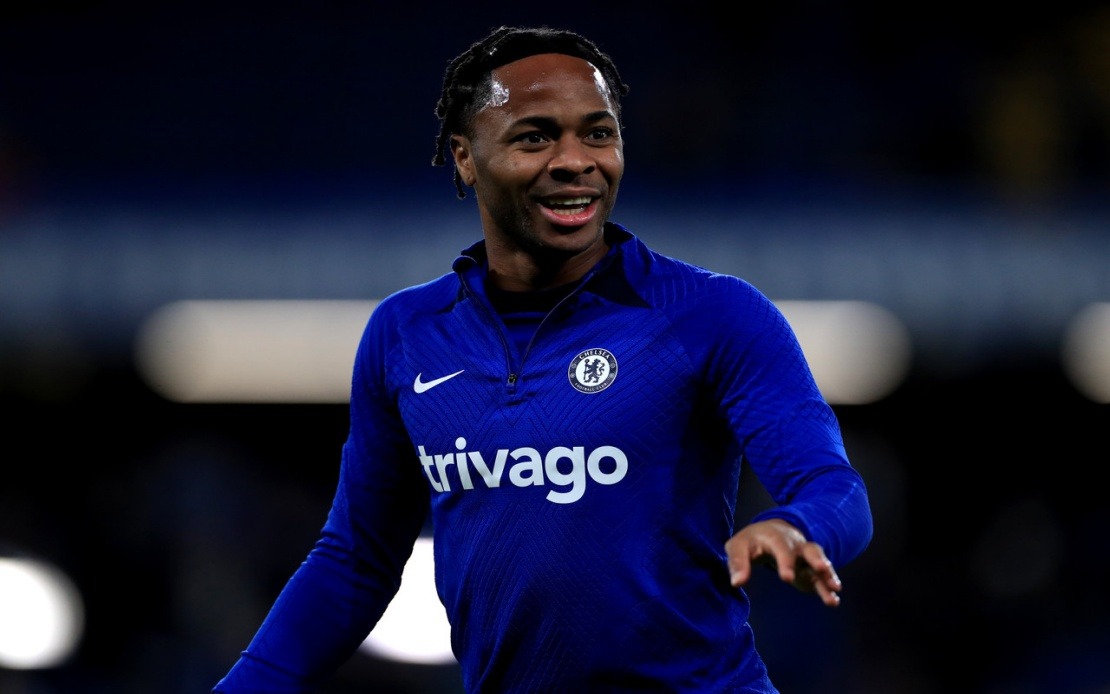
Raheem Sterling, the decorated England international and former Manchester City midfielder, faces serious charges following a traffic incident that occurred on the M3 motorway in Hampshire. Hampshire and Isle of Wight Constabulary announced that the 31-year-old has been charged with dangerous driving, possession of nitrous oxide for wrongful inhalation purposes, and failing to provide a specimen following a single-vehicle collision involving a Lamborghini near the Minley interchange on May 28. The incident sparked immediate legal proceedings that have now advanced to the charging stage, with Sterling scheduled to make his first court appearance at Basingstoke Magistrates' Court on September 15.
The collision itself was contained to the southbound carriageway of the M3, with authorities confirming that no other vehicles were involved and no injuries resulted from the accident. This detail distinguishes the incident as a single-vehicle mishap, though the circumstances surrounding how the crash occurred remain under investigation. The charges laid against Sterling reflect the seriousness with which law enforcement treats both the driving conduct and the substance-related allegations that emerged from the incident.
Sterling's career achievements make this legal development particularly notable within the broader context of professional football. The forward compiled an impressive international record with England, scoring 20 goals across 82 appearances for the national team. His contributions were instrumental during significant tournament campaigns, including England's run to the semi-finals of the 2018 World Cup and their journey to the final of Euro 2020, where the team narrowly lost to Italy. These accomplishments establish him as one of England's prominent attacking talents of the past decade.
His club career trajectory spans multiple elite institutions within English and European football. Sterling emerged from the academy system at Queens Park Rangers before progressing to Liverpool, where he completed his senior football education. The pivotal moment arrived in 2015 when Manchester City secured his services, a move that would define much of his playing career. During his tenure at the Etihad Stadium, Sterling won four Premier League titles, five League Cups, and the FA Cup in 2019, establishing himself as a key figure in the club's domestic dominance during the mid-2010s and early 2020s.
His recent years have seen considerable movement. Sterling transferred to Chelsea in 2022 but subsequently struggled to secure regular playing time under successive managers. The 2024-25 season saw him loaned to Arsenal, where he sought to resurrect his playing prospects. Following his Chelsea departure, he joined Dutch Eredivisie club Feyenoord on a short-term arrangement that would extend through the remainder of the season, continuing his search for consistent first-team football at the highest level.
Beyond his on-pitch accomplishments, Sterling earned significant recognition for his work championing social causes. In the 2021 Queen's Birthday Honours, he received an MBE in recognition of his services to racial equality in sport. This honour reflected his long-standing commitment to anti-racism initiatives and his vocal opposition to discrimination within and beyond football. He has consistently used his platform to speak against racism, becoming a prominent voice during a period when England's national team faced significant scrutiny over fan behaviour, particularly the booing of players engaging in anti-racism gestures such as taking the knee before matches.
Sterling's activism occurred during a contentious era for English football, as the national team and its supporters faced persistent criticism over discriminatory incidents at international matches. His willingness to confront these issues publicly, at times when doing so carried reputational risk, earned him respect from civil rights advocates and contributed to broader conversations about inclusion and equality within professional sports. The MBE recognised this sustained commitment to using his considerable influence as a role model for change.
The contrast between Sterling's recognised contributions to social progress and the current criminal charges presents a complex narrative. The dangerous driving allegation carries serious legal implications, as does the possession of nitrous oxide charge. Such charges in the United Kingdom are treated with considerable gravity by the courts, particularly when involving substance-related elements. The third charge of failing to provide a specimen further complicates his legal position, suggesting either a refusal or inability to comply with police requests during the investigation.
For Malaysian and Southeast Asian observers of English football, this development represents a cautionary reminder of the scrutiny that high-profile athletes face both on and off the pitch. Sterling's status as one of England's accomplished modern footballers means this legal process will attract substantial media attention. The September 15 court date will likely generate significant coverage across sports and news media platforms throughout the region.
The incident occurs during a period when Sterling is attempting to revitalise his career following reduced opportunities at Chelsea. His loan move to Arsenal represented an attempt to reclaim form and consistency, with the player seeking to demonstrate continued value at the highest level of club football. This legal matter now intersects with his professional ambitions, potentially affecting his focus and availability during a crucial phase of his career.
The coming weeks will see Sterling navigate both a complex legal process and the associated media scrutiny that accompanies high-profile sporting figures facing criminal charges. The court appearance on September 15 will likely clarify the procedural direction of the case and indicate whether the matter will proceed through magistrates or be elevated to higher court proceedings. For professional footballers of Sterling's standing, managing off-pitch issues while maintaining performance levels presents additional pressures not faced by their contemporaries in other professions.
This situation underscores the multifaceted challenges confronting elite athletes in the modern era, where personal conduct beyond the playing field increasingly intersects with public perception and professional consequences. Sterling's case, as it develops through the legal system, will continue to attract attention from both football enthusiasts and those interested in broader questions about accountability and responsibility among prominent public figures.

