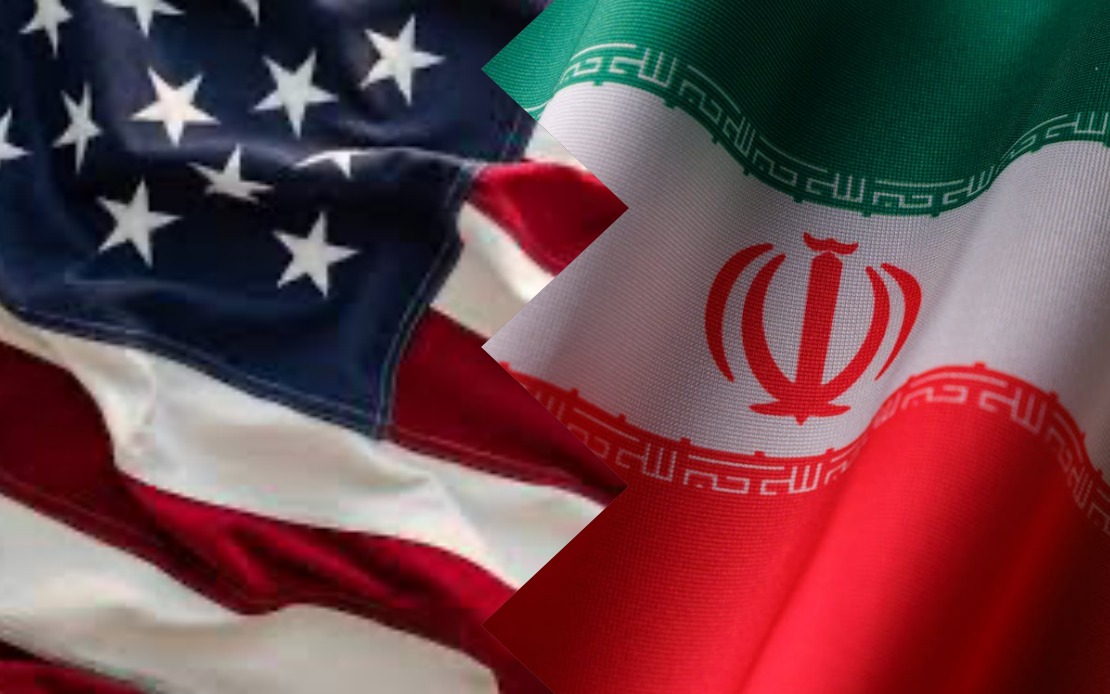
Qatar has appealed to its Gulf neighbours to work together on implementing a US-Iran memorandum of understanding, with Prime Minister and Foreign Minister Sheikh Mohammed bin Abdulrahman Al Thani conducting a series of high-level conversations with senior officials from the United Arab Emirates, Saudi Arabia, Kuwait, Oman and Bahrain to advance the diplomatic initiative.
The discussions, which took place on Monday in Istanbul, ranged across multiple dimensions of regional stability, with each conversation examining how Gulf states could coordinate their diplomatic strategies and collectively work to reduce tensions that have destabilised the wider Middle East. Beyond the immediate focus on the US-Iran arrangement, the talks addressed broader bilateral cooperation between Qatar and each neighbour, reflecting the interconnected nature of Gulf security concerns.
Al Thani's core message throughout the diplomatic outreach centred on the importance of maintaining commitment to dialogue-based solutions and ensuring that all parties remain invested in implementing the specific terms of the US-Iran memorandum. He particularly stressed the critical need to preserve freedom of navigation through the Strait of Hormuz, one of the world's most strategically vital waterways, arguing that unrestricted passage is essential for maintaining regional security and economic stability. By framing shipping security as a collective Gulf interest rather than a matter of bilateral dispute, Al Thani attempted to build consensus around implementation challenges that extend beyond the two principal parties.
Qatar has also reaffirmed its broader commitment to tension-reduction efforts across the region and expressed support for a comprehensive peace agreement that could deliver sustained stability. This positioning reflects Qatar's traditional role as a mediation-focused actor in Gulf affairs, leveraging its diplomatic channels and non-aligned status to encourage all parties toward negotiated settlements rather than military confrontation.
The urgency behind Qatar's diplomatic push reflects the volatile trajectory of US-Iran relations in recent months. Since February, when the United States and Israel launched military operations against Iran, the region has experienced repeated cycles of escalation and retaliation. Tehran responded to those initial attacks with strikes targeting multiple locations across the Middle East, setting off a dangerous spiral of tit-for-tat military action that threatened to engulf the broader region.
Amidst this deteriorating security environment, the US and Iran reached a ceasefire agreement in April, creating a narrow opening for diplomatic resolution. This momentum carried forward into June, when the two countries signed a Pakistan-mediated memorandum of understanding that both sides framed as a pathway toward ending their underlying military conflict and establishing a durable peace arrangement. The agreement appeared to represent a significant breakthrough after months of escalating hostilities and showed that even amid deep strategic competition, negotiated settlements remained possible.
However, that fragile consensus unravelled just weeks later when the ceasefire collapsed, plunging the region back into military confrontation. For nearly two weeks in July, the US and Iran engaged in direct exchanges of attacks, reigniting fears that the Middle East was sliding toward open conflict between major powers. The breakdown of the memorandum demonstrated how precarious regional peace arrangements can be when underlying tensions remain unresolved and when one side questions the other's commitment to implementation.
For Malaysia and other Southeast Asian nations with significant economic stakes in Middle Eastern stability, the implications of this recurring volatility are substantial. The Strait of Hormuz, which Al Thani specifically referenced as a central concern, handles a substantial portion of global oil trade. Any disruption to shipping through these waters would send energy prices soaring and reverberate through supply chains that depend on reliable Middle Eastern petroleum supplies. Malaysian companies with regional exposure, whether in energy, finance, or logistics, face direct risks from continued instability.
Qatar's diplomatic initiative also reflects broader concerns about the fragility of regional security architecture. The involvement of multiple Gulf states in Al Thani's outreach indicates that the US-Iran memorandum is not viewed merely as a bilateral issue but as something that affects collective Gulf security interests. If the arrangement continues to deteriorate, there are risks that individual Gulf states might pursue separate security strategies or align differently with external powers, potentially deepening divides rather than reinforcing unity.
The role of Pakistan as mediator in the original memorandum, as noted in Qatar's diplomatic efforts, underscores how South Asian powers have inserted themselves into Middle Eastern peace processes. This reflects the interconnected nature of contemporary diplomacy, where regional conflicts increasingly draw in actors from across the broader Asian landscape seeking to protect their economic and strategic interests.
Qatar's push for implementation and coordination comes at a moment when the international community is watching closely to see whether the US and Iran can rebuild trust sufficient to make the memorandum workable. The fact that Qatar has felt compelled to conduct separate calls with multiple Gulf partners suggests that the agreement alone has not generated sufficient confidence among regional stakeholders, and that active diplomatic work remains necessary to translate written commitments into functioning arrangements.
Looking ahead, the success or failure of these coordinated Gulf efforts will likely determine whether the latest US-Iran peace framework proves more durable than previous attempts at de-escalation. For the Middle East and for global actors like Malaysia dependent on regional stability, the next phase of implementation will be critical in determining whether this volatile region can achieve sustained peace or faces further cycles of escalation.

