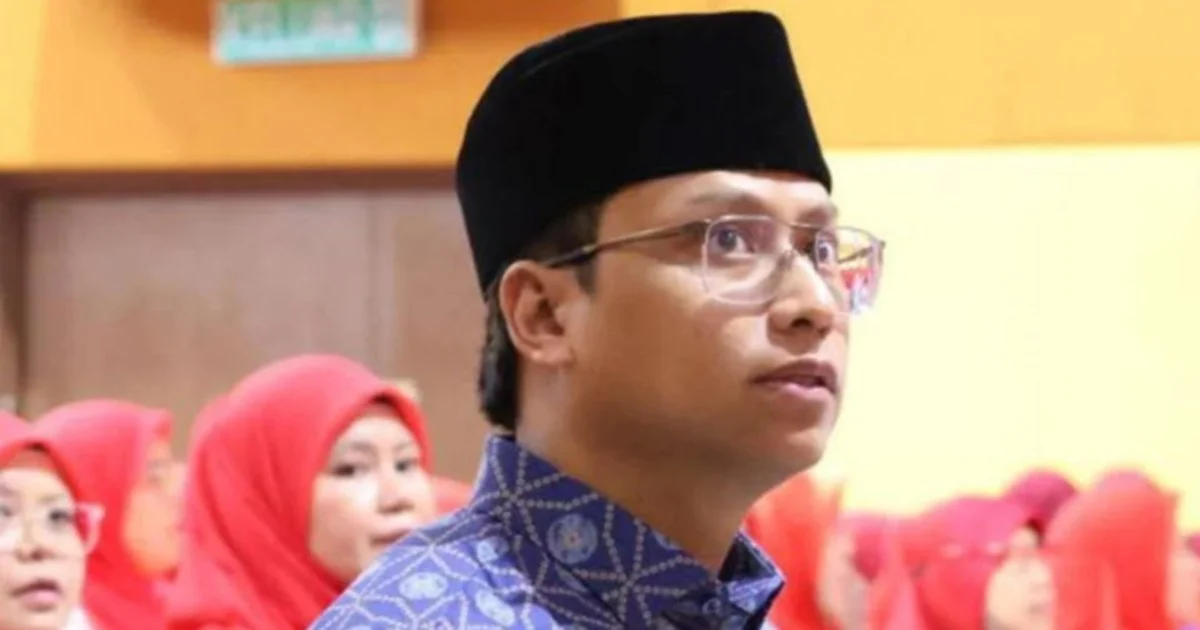
The family of Datuk Dr Mohd Puad Zarkashi, a former member of Umno's highest decision-making body, has moved to shield the senior statesman from criticism following his recent public statements about the party's trajectory. His son stepped forward to contend that the remarks, which appear to have generated considerable debate within party circles and among political observers, were motivated fundamentally by a desire to strengthen Umno's institutional future rather than to undermine party cohesion.
This public defence marks an effort to reframe what some may have interpreted as internal dissent within Malaysia's oldest political establishment. Family members have framed Datuk Dr Puad's interventions as constructive commentary rooted in decades of party experience, positioning them as the concerned counsel of a respected elder statesman rather than factional posturing. The son's statement reflects a broader strategy to emphasise the paterfamilias' institutional loyalty and his commitment to ensuring Umno remains a viable political force in Malaysia's evolving democratic landscape.
For Malaysian political observers, the episode underscores the persistent tensions within Umno regarding its strategic direction and identity. The party, which dominated Malaysian governance for seven decades following independence, has faced unprecedented electoral setbacks and internal fracturing in recent years. Umno's fluctuating electoral performance and the emergence of rival Malay-Muslim political organisations have intensified debates about whether the party's current approach serves its long-term interests or requires fundamental recalibration.
Datuk Dr Puad's apparent dissatisfaction with certain party positions reflects concerns widely held within sections of the Umno membership regarding governance priorities and political alliances. These internal conversations, though sometimes contentious, are not uncommon in political organisations undergoing strategic reassessment. The fact that family members are publicly defending the remarks suggests the issues raised carry sufficient weight to warrant public clarification rather than silent dismissal.
The invocation of historical judgment in defence of Umno's current trajectory carries particular significance for a party grappling with legitimacy questions among sections of the electorate. This rhetorical move positions present-day decisions within a longer arc of party history and national development, implying that contemporary critics and supporters alike may lack sufficient perspective to evaluate decisions fairly in real time. This temporal framing is common among political establishments seeking to preserve their authority during periods of challenge.
Within the Malaysian political ecosystem, Umno's internal dynamics hold outsized importance given the party's continued influence over Malay-Muslim political orientations and its centrality to coalition calculations at federal and state levels. When senior party figures or their families engage in public commentary about the party's direction, the ripples extend beyond internal party management to affect broader coalition stability and voter expectations. The defence of Datuk Dr Puad's remarks therefore carries implications beyond the individual figure.
The son's intervention also raises questions about factional alignments within contemporary Umno, where disputes over leadership, strategic partnerships, and policy priorities have created visible cleavages. Public defences of critical remarks by senior figures often signal that substantial constituencies within the party share the underlying concerns, even if they may lack the platform or seniority to articulate them independently. This dynamic has historically proven significant in party renewal processes and leadership transitions.
The broader context of Malay-Muslim political fragmentation in Malaysia makes Umno's institutional health a matter of significance extending beyond the party itself. The emergence of Perikatan Nasional and electoral competition from Parti Islam Se-Malaysia have complicated Umno's political environment in ways that demand strategic clarity. When party stalwarts question prevailing approaches, the debates often crystallise fundamental questions about political identity and electoral viability that many members privately grapple with.
Datuk Dr Puad's background as a former Supreme Council member grants his commentary particular resonance within party structures, even if individual positions he advocates do not command consensus support. The decision by his family to publicly defend and contextualise his remarks suggests confidence that history's eventual judgment will align with his perspective. This confidence may reflect private assessments within the Umno leadership regarding the soundness of the critiques being raised.
As Malaysia's political landscape continues evolving, with younger voters displaying different allegiances and demographic shifts reshaping electoral mathematics, the questions Datuk Dr Puad has apparently raised about Umno's direction remain pertinent. The son's assertion that future historical assessment will vindicate the positions advanced implicitly acknowledges that current circumstances may not yet fully validate the concerns being articulated. This temporal displacement of judgment represents a common defensive posture when institutional change is being debated within established organisations.
The episode illuminates how Malaysian political families, particularly those with deep institutional roots, navigate public controversies and factional disagreements. Public statements of support from immediate family members serve multiple functions: they affirm the dignity of the figure under discussion, signal backing from personal constituencies, and occasionally telegraph broader sympathies within the extended political network. For observers tracking Umno's internal development, such interventions provide valuable indicators of underlying currents that may eventually shape party evolution.
Looking forward, whether Datuk Dr Puad's apparent concerns about Umno's direction gain traction within party structures will depend partly on how comprehensively his critiques resonate with experienced party members confronting electoral realities. The son's public defence creates space for these conversations to proceed with less acrimony, potentially allowing substantive debate about strategic alternatives. In Malaysian politics, where institutional loyalty remains valued alongside critical assessment, this balancing act represents a delicate but recurring necessity.

