The National Higher Education Fund Corporation (PTPTN) has collected RM197 million in outstanding loan repayments through debt negotiation agencies (APH) between July 2025 and May this year, demonstrating measurable progress in tackling the nation's education debt crisis. This collection represents a meaningful 6.4 per cent increase compared to the equivalent period the previous year, suggesting that the agency-led recovery model is gaining traction among borrowers who have fallen far behind on their obligations.
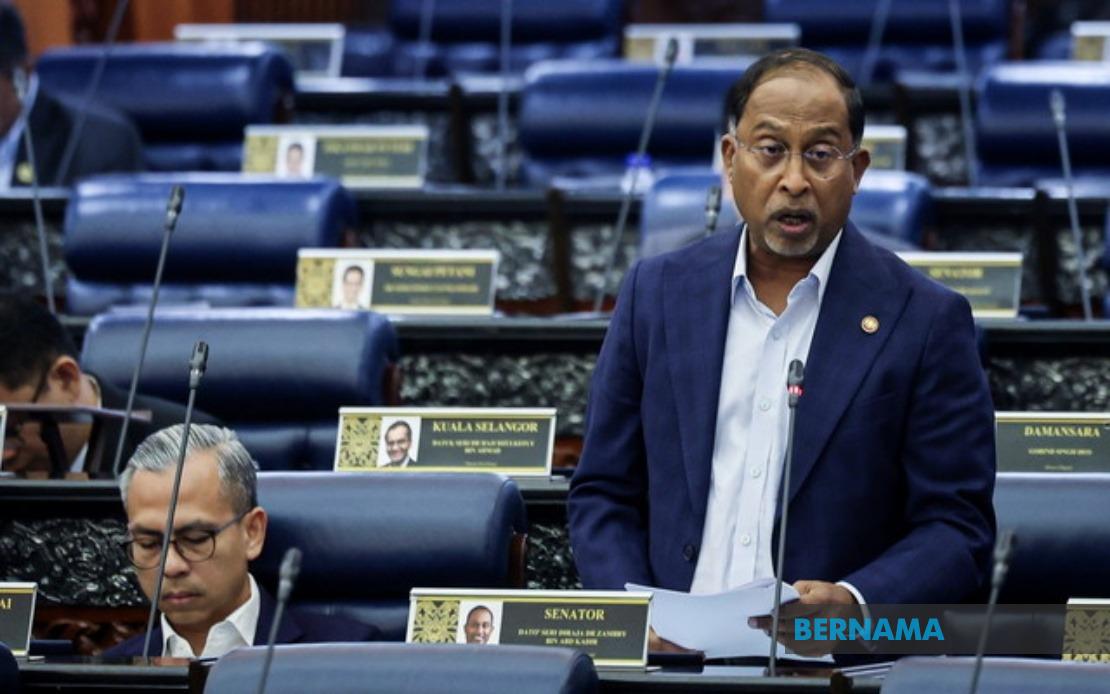
Higher Education Minister Datuk Seri Dr Zambry Abdul Kadir disclosed these figures during a parliamentary session, framing the results as validation of APH's collaborative approach to encouraging loan repayment among delinquent borrowers. The minister's remarks came in response to parliamentary questioning about PTPTN's oversight mechanisms and protections for struggling borrowers, reflecting ongoing political attention to how the fund manages its massive portfolio of outstanding loans.
As of May, the PTPTN had transferred 103,418 individual borrower accounts representing arrears exceeding RM3 billion to debt negotiation agencies for active recovery efforts. This transfer represents a significant portion of the fund's non-performing loan portfolio, though it remains only a fraction of PTPTN's total borrower base, which spans hundreds of thousands of Malaysians who completed higher education in the last three decades. The sheer scale of these delinquent accounts underscores the complexity of managing loan recovery across an economically diverse population.
Crucially, the PTPTN only escalates cases to APH after stringent criteria are satisfied. Borrowers must have accumulated arrears stretching beyond 120 months—a full decade—and must have already been subject to legal judgment proceedings. This threshold ensures that only the most problematic accounts, where PTPTN's internal collection efforts have proven exhausted, reach the debt negotiation stage. The requirement for prior legal process reflects a structured approach designed to filter out cases that might still respond to direct engagement between the fund and borrower.
Zambry emphasised that involving APH is not intended as a punitive mechanism designed to intimidate borrowers or extract repayment through aggressive tactics. Rather, it represents a specialised collection channel deployed strategically against accounts that have demonstrated persistent non-compliance despite extensive prior outreach. This framing matters considerably for public perception, particularly in Malaysia where PTPTN has historically faced criticism from borrower advocacy groups concerned about debt enforcement practices affecting vulnerable graduates.
A key assurance offered by the minister was that handover to APH does not permanently close negotiation pathways. Even borrowers whose accounts have been transferred to debt agencies retain the formal right to appeal and engage in discussions with PTPTN's legal officers to reach settlements that reflect their genuine financial capacity. This messaging attempts to balance legitimate debt recovery imperatives with flexibility for borrowers facing persistent economic hardship, a balance that remains contentious in Malaysian public discourse.
The PTPTN's stated approach involves individualised assessment of each borrower's circumstances before proceeding with legal action or enforcement. The fund claims to consider income levels, existing financial commitments, and broader socio-economic conditions when evaluating cases. This case-by-case methodology, if genuinely implemented, theoretically prevents blanket enforcement against borrowers who became unemployed, underemployed, or faced medical crises that rendered repayment impossible. However, implementation of such nuanced assessment at scale across tens of thousands of delinquent accounts presents substantial administrative challenges.
Zambry's parliamentary response also highlighted that borrowers in financial distress can initiate appeals and request review of their repayment terms. The minister framed this as an intentional design feature ensuring that legitimately struggling graduates are not abandoned by the repayment system entirely. For Malaysian borrowers, many of whom enter the workforce during periods of economic uncertainty and underemployment, such flexibility provisions are potentially significant, though their practical accessibility and effectiveness remain difficult to verify without comprehensive data on appeal approvals and settlement modifications.
The 6.4 per cent year-on-year increase in APH collections may reflect multiple factors operating simultaneously. Growing familiarity with the APH process among borrowers might improve compliance rates, or economic improvement could have enabled previously struggling graduates to finally meet their obligations. Alternatively, APH agencies may be deploying increasingly sophisticated engagement and negotiation strategies that prove more effective than PTPTN's internal collection teams. Without granular analysis of the composition and characteristics of accounts successfully recovered through APH, the precise drivers of the improvement remain unclear.
For Malaysian higher education policy, the emerging reliance on external debt negotiation agencies signals the limits of PTPTN's own institutional capacity to manage recovery from its massive loan portfolio. The fund faces a structural challenge: it must balance legitimate creditor interests in recovering public resources loaned to graduates against the reality that many borrowers face genuinely constrained financial circumstances. The APH channel represents an attempt to partially outsource this difficult balancing act, though questions persist about whether external agencies—operating under commercial incentives—will maintain appropriate sensitivity to borrowers' actual circumstances.
The wider implications extend beyond loan administration. PTPTN's expanding reliance on debt recovery mechanisms reflects the broader challenge of sustaining higher education financing in Malaysia. As arrears accumulate and the fund struggles to recover sufficient repayments, pressure mounts on government budgets to either increase direct subsidies to PTPTN, tighten lending standards for future students, or accept deteriorating loan portfolio quality. Each option carries distinct implications for access to higher education and social equity across Malaysia's diverse population.

