The soil beneath our gardens harbours millions of vital microorganisms that sustain plant life, yet an invisible threat is infiltrating these precious ecosystems. Microplastics—tiny fragments from degraded plastic products—are accumulating in garden soil at alarming rates, entering the food chain and compromising the very foundation of home food production. For Malaysian gardeners concerned about the quality of their harvests and the long-term viability of their plots, understanding and mitigating microplastic contamination has become an essential part of responsible cultivation.
Microplastics originate from everyday household items that eventually fragment into minuscule particles. Food-storage containers, kitchen utensils, detergent bottles, synthetic textiles and countless other plastic goods contribute to this growing problem. Once released into the environment, these particles travel through soil, groundwater and food systems, eventually accumulating in human bodies. The contamination begins long before harvest—many commercial gardening products themselves introduce plastics directly into the soil, making deliberate product choices crucial for environmentally conscious cultivators.
Garden centres and nurseries stock countless plastic products that seem indispensable to successful growing, yet viable alternatives exist for nearly every application. Seed-starting represents one area where plastic appears unavoidable, yet soil-blocking systems offer a superior solution. These ingenious kits utilise metal moulds to compress moist compost mixtures into freestanding cubes, eliminating single-use plastic trays entirely. Beyond waste reduction, these blocks deliver unexpected horticultural benefits through air-pruning, a process that prevents root circling and encourages denser, healthier development for transplants that establish more readily in garden beds.
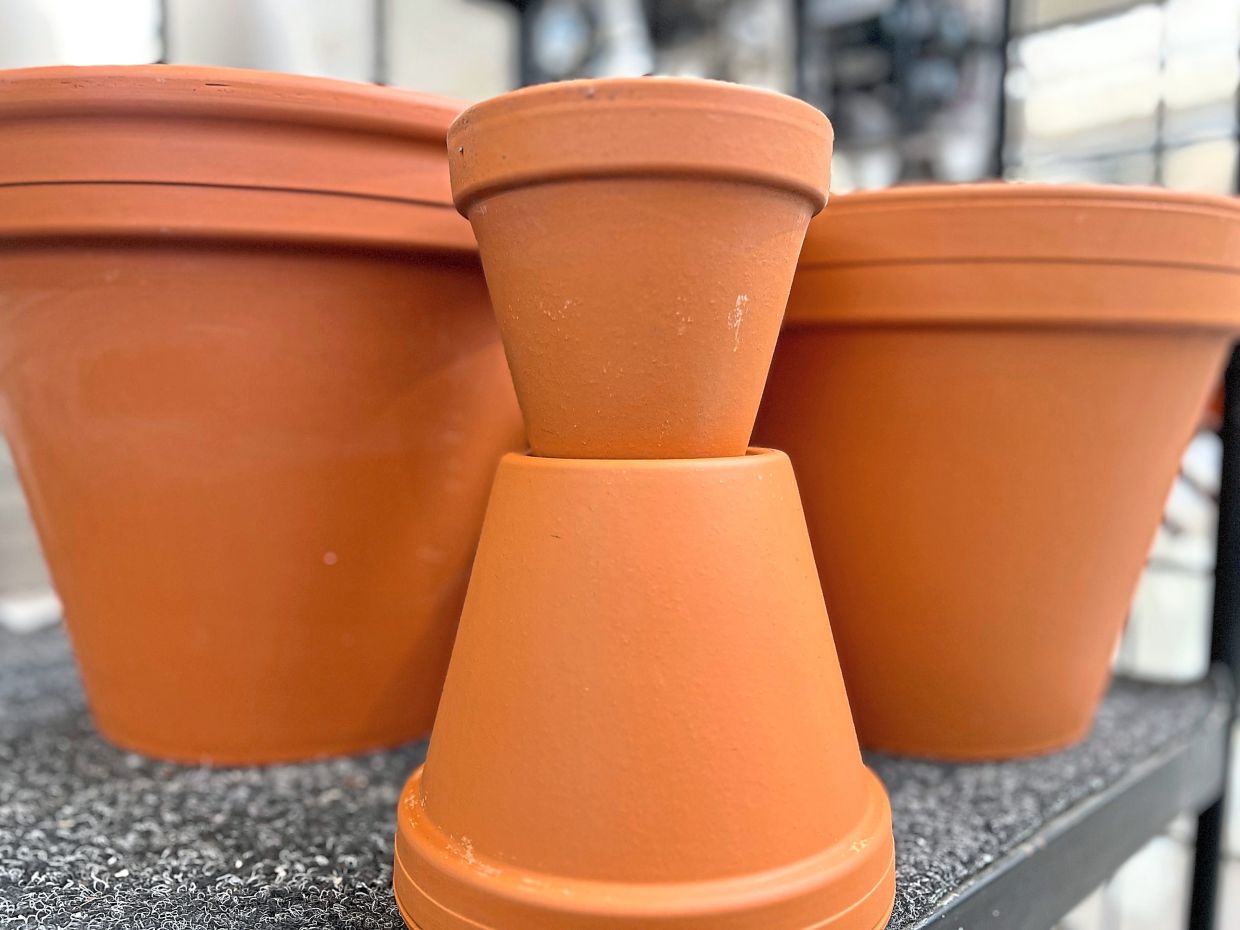
When seedlings advance beyond blocking systems, gardeners need not resort to conventional plastic pots. Biodegradable containers fashioned from coir or composted manure provide identical functionality while decomposing harmlessly in garden soil. For larger specimens, terracotta and wood vessels offer time-tested durability and aesthetic appeal that plastic can never replicate. Fabric grow bags represent another excellent option, particularly for root vegetables, herbs and tomatoes; these permeable containers promote superior drainage and air circulation while the highest-quality versions utilise natural fibres rather than synthetic materials, a distinction worth verifying before purchase.
Acquisition practices themselves warrant examination. Nursery plants arrive in plastic containers by default, yet growers increasingly offer bare-root specimens that arrive without any container at all, eliminating an unnecessary vector for microplastic introduction. This shift in purchasing preference also encourages suppliers to expand bare-root offerings, creating market incentive for systemic change across the horticultural industry.
Soil amendment represents another critical area where plastic accumulation occurs silently. Bagged compost and fertiliser arrive encased in plastic that eventually degrades into garden soil. Establishing an on-site composting system eliminates this dependency whilst providing complete transparency regarding soil inputs. Gardeners know precisely which organic materials have entered their amendment, understanding its composition far better than any commercial product label could convey. For those unable to maintain compost piles, bulk purchasing reduces plastic packaging whilst lowering costs simultaneously, aligning environmental responsibility with economic prudence.
Weed suppression strategies often involve landscape fabric, a material that fragments into microplastics whilst remaining partly embedded in soil for decades. Traditional alternatives prove equally effective: shredded bark, wood chips and dry leaves suppress weeds whilst providing wildlife habitat and organic matter that gradually enriches soil structure. In fire-prone regions where organic mulches present hazards, gravel offers safer protection without plastic contamination concerns. Similarly, canvas tarps replace plastic sheeting for seasonal bed protection, degrading naturally without contributing to long-term soil pollution.
Structural support systems for climbing plants and tall crops typically rely on plastic twine and stakes, yet natural alternatives deliver equal functionality. Bamboo, wood and metal supports provide excellent durability whilst composing harmlessly or returning to natural cycles at end of life. Natural twine varieties crafted from hemp or jute secure plants without persistent chemical residues. Even plant markers—seemingly insignificant items—can be upgraded from plastic labels to wooden popsicle sticks that decompose naturally and often provide superior visibility in garden beds.
For gardeners unable to eliminate plastic entirely, strategic purchasing decisions minimise harm. Durable, reusable plastic containers that withstand many seasons before eventual disposal represent a fundamentally different calculus than disposable flimsy trays discarded after single use. Each intentional choice to select longevity over convenience accumulates across a growing season, eventually producing meaningful reduction in microplastic introduction into garden systems.
The cumulative impact of individual gardening choices extends beyond personal plots. Malaysian gardeners adopting these practices contribute to broader cultural shifts in consumer behaviour and environmental consciousness. As more households demonstrate that productive, attractive gardens thrive without plastic proliferation, market demand shifts accordingly. Nurseries expand sustainable product offerings, suppliers invest in alternative packaging and manufacturers recognise commercial opportunity in environmentally responsible solutions. What begins as personal soil health protection evolves into systemic transformation of an industry that previously treated microplastic contamination as inevitable cost of convenience.
The protection of soil health represents an investment in both immediate harvest quality and long-term environmental sustainability. Gardeners who implement these practical alternatives safeguard the microbiological ecosystems that sustain food production whilst demonstrating that environmental responsibility need not compromise productivity or aesthetics. For Malaysian households increasingly concerned with food security and environmental impact, transforming garden practices offers immediate action with tangible benefits for family health and local ecosystems.

