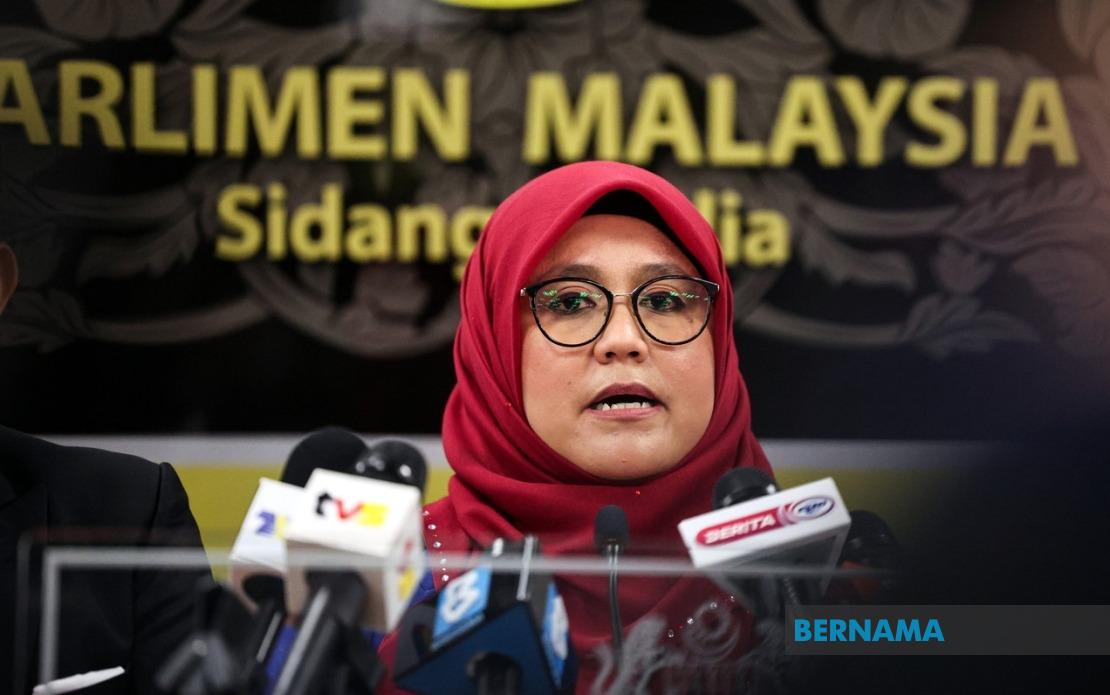
The escalating cost of private healthcare in Malaysia stems not from doctors' professional fees but from a cascade of unregulated charges imposed by private hospitals for supplies, equipment, medicines and diagnostic services, according to findings by the Public Accounts Committee released this week in parliament. The distinction carries significant implications for policy intervention and consumer protection, as professional fees have remained under regulatory oversight since 2013, while the broader ecosystem of non-professional charges operates in a largely uncontrolled environment. Datuk Mas Ermieyati Samsudin, chairing the PAC, outlined how hospitals have deployed various mechanisms to inflate costs beyond what physicians charge for their clinical work, including markup strategies on pharmaceutical products, unbundling of basic services and application of differential pricing structures depending on payment methods.
The PAC's investigation uncovered widespread lack of standardised billing practices across Malaysia's private hospital sector, a transparency gap that obscures the true cost of medical interventions and prevents meaningful price comparison between facilities. This absence of billing uniformity enables hospitals to obscure cost structures by bundling non-billable operating expenses into medicine prices and discrete service charges. The committee documented instances where essential items ordinarily included in basic service packages—such as clinical waste disposal, pillowcases and alcohol swabs—were billed separately to patients, effectively shifting overhead costs directly to consumers. By disaggregating what should logically constitute integrated service delivery, hospitals increase the apparent complexity of billing while inflating overall treatment costs.
The pharmaceutical supply chain presents another critical vulnerability exploited by cost inflation. The PAC identified substantial markups at multiple tiers within the distribution network, with several instances where generic medications commanded higher prices than their branded equivalent innovator drugs, a pricing inversion that defies typical market logic. Contributing to this dysfunction is the absence of genuine competition in Malaysia's medicine registration landscape, with more than 1,500 pharmaceutical products holding exclusive manufacturer status locally. These de facto monopolies eliminate downward price pressure and permit suppliers to impose costs unchecked by alternatives, a structural market failure that regulatory frameworks have yet to adequately address.
Price discrimination emerged as a particularly concerning finding, with the PAC documenting that patients utilising hospital guarantee letters—typically those covered by health insurance—face substantially higher charges than self-paying customers or those pursuing pay-and-claim reimbursement models. This pricing strategy effectively penalises insured patients and may inadvertently incentivise direct out-of-pocket payment, undermining the purpose of health insurance itself. Such differential pricing suggests hospitals view insured patients as captive consumers with limited negotiating power, exploiting the asymmetry between the patient-hospital relationship and the insurer-hospital relationship. The practice raises questions about whether private hospitals factor insurance coverage into their cost calculations rather than establishing cost-justified pricing.
Rising operational expenses at private healthcare facilities compound the pricing pressures evident throughout the sector. Hospitals cite escalating labour costs, utility expenses and technology infrastructure investments as necessities driving overall service charge increases. While these operational pressures carry legitimacy, the absence of regulatory oversight means facilities face no requirement to demonstrate proportionality between cost increases and corresponding price adjustments to patients. The PAC also flagged the growing influence of defensive medicine practices and litigation-related expenses on institutional cost structures, suggesting that the broader legal and liability environment shapes healthcare pricing beyond purely clinical considerations. These cumulative pressures, however, do not entirely explain the pricing dysfunction documented, particularly where mark-up levels appear disproportionate to cost escalations.
The committee's findings hold particular relevance for Malaysian healthcare consumers who increasingly navigate fragmented systems combining public provision with private insurance supplementation. The rising premium burden creates affordability pressures that cascade through household budgets and may ultimately discourage individuals from maintaining adequate coverage or seeking timely private care when public facilities reach capacity limits. This dynamic particularly affects middle-income Malaysians who depend on private insurance for non-emergency surgical procedures and specialist consultations but cannot absorb substantial annual premium increases. The broader implication extends to Malaysia's demographic transition, where an ageing population requires expanded healthcare access precisely when affordability constraints tighten.
Addressing these structural dysfunctions requires multifaceted regulatory intervention extending well beyond the existing professional fee framework. The PAC submitted 17 recommendations to government, with particular emphasis on expediting implementation of the Diagnosis-Related Group payment system, a prospective reimbursement methodology that establishes standardised bundled payments for defined clinical conditions rather than itemised service billing. Simultaneously, the committee urged legislative amendment to the Private Healthcare Facilities and Services Act 1998 to empower the Ministry of Health with regulatory authority over non-professional charges comparable to existing professional fee oversight. Such amendments would constitute a fundamental restructuring of private healthcare regulation, extending government oversight into commercial pricing decisions historically left to market forces.
The PAC further recommended that the Ministry of Health and Ministry of Domestic Trade and Cost of Living establish coordinated price regulation mechanisms for medicines and medical equipment, while exploring direct government procurement from manufacturers to circumvent distributor markups that contribute to inflated final costs. Enhanced transparency requirements would mandate hospitals publish standardised service charges and itemised billing structures, enabling patients and insurers to make informed choices and identify pricing anomalies. Consideration of procurement reform through local manufacturer relationships would leverage Malaysia's domestic pharmaceutical capacity and reduce dependence on imported products and supply chain intermediaries that compound costs.
Parliamentary response reflected cross-factional concern about the pricing crisis, with both government and opposition MPs calling for accelerated DRG implementation, expanded public healthcare investment, insurance industry law reform and consideration of taxation adjustments targeting high-margin private hospital operations particularly those deriving revenue from medical tourism. Several MPs advocated freezing fee increases at university teaching hospitals pending development of alternative capacity, acknowledging that private sector cost escalation has made public facilities the de facto safety net for growing segments of the population. The parliamentary debate underscored recognition that private healthcare pricing dynamics increasingly shape public healthcare sustainability, as cost pressures drive patients toward public provision when private options become unaffordable.
The PAC investigation exposes how private hospitals have shifted costs onto patients and insurers through mechanisms that exploit regulatory gaps and information asymmetries rather than through legitimate clinical or operational necessity. The pharmaceutical monopolies, unbundling practices and differential pricing structures documented represent market failures amenable to policy correction. Implementation of the recommended regulatory framework would fundamentally alter private healthcare's commercial dynamics, subordinating pricing autonomy to standardisation and transparency requirements. For Malaysian households and policymakers, the committee's findings validate concerns that private healthcare affordability deterioration reflects institutional pricing behaviours rather than inevitable cost escalation, suggesting intervention can meaningfully address premium inflation while preserving quality private sector provision.

