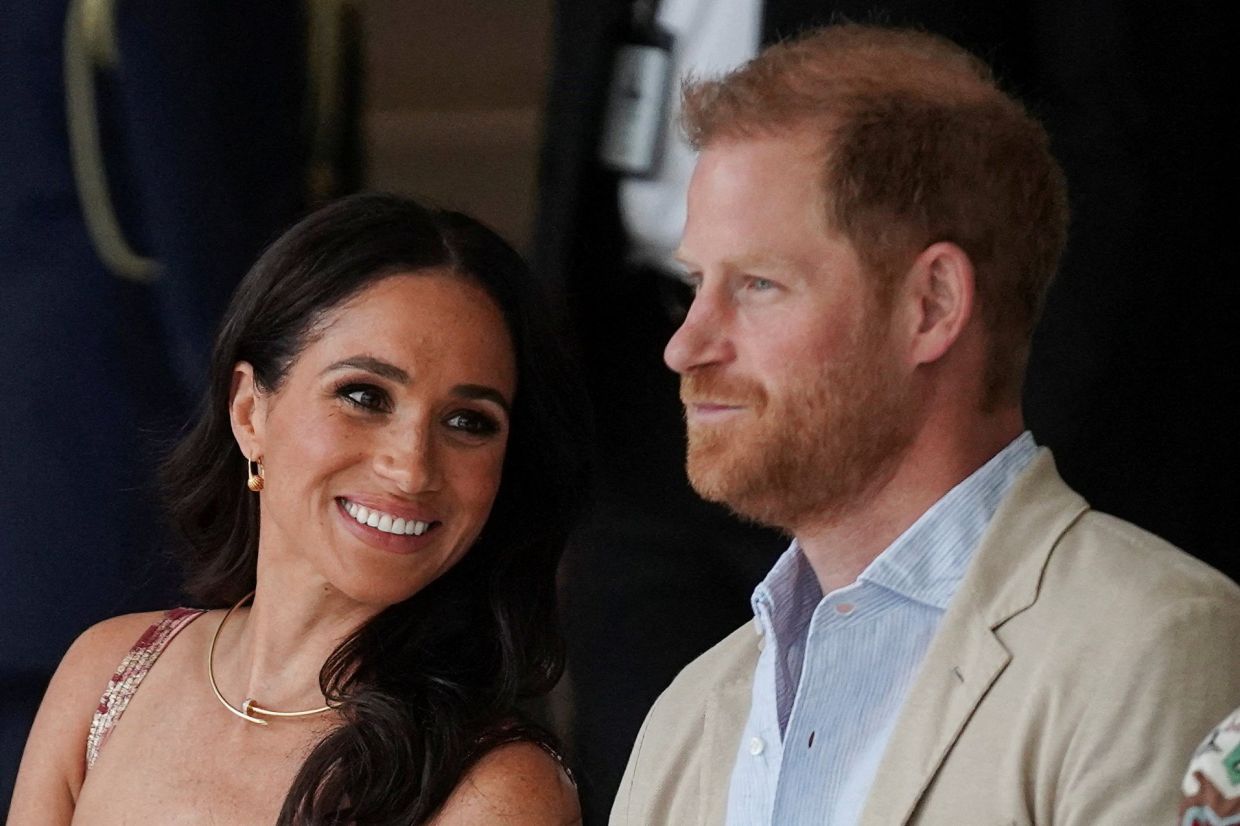
Prince Harry and Meghan have made the decision to return to the United Kingdom with their two children, according to reports from British news outlets that emerged Wednesday evening. The significant move marks a substantial shift for the couple, though they have clarified that their relocation will not entail resuming the formal duties and responsibilities that characterize working members of the royal family. Both Prince Archie, aged seven, and Princess Lilibet, aged five, have secured places at British schools and are expected to commence their education in September.
The announcement carries particular significance given the couple's departure more than six years ago, when they withdrew from their royal obligations to establish themselves in California. During this period, Harry and Meghan pursued commercial opportunities that generated substantial income, securing high-value partnerships with media giants Netflix and Spotify. Their transition to North America was presented as an opportunity to build independent careers beyond the constraints of royal protocol and tradition. The Montecito mansion they established in the exclusive Southern California enclave became the base for these professional ventures and their family life away from public scrutiny.
King Charles III learned of his son's intentions on Sunday, prior to any official announcement or public disclosure. Notably, Harry and Meghan had visited the United Kingdom the previous month, yet they apparently chose not to inform the monarch during that encounter. Buckingham Palace has maintained its customary position of declining to comment on matters involving non-working members of the extended royal family, while representatives for the Duke and Duchess similarly refrained from offering detailed statements or clarification regarding the relocation plans.
The couple's journey away from royal life has been accompanied by a deterioration in family relations that has unfolded across multiple public platforms. Through television interviews, social media commentary, and Harry's published memoir, they have outlined grievances and personal challenges rooted in their time within the royal institution. These disclosures have deepened existing tensions, creating a complex landscape of estrangement that has characterised the past several years. However, recent developments suggest a potential thaw in some of these fractured relationships, particularly between Harry and his aging father.
A critical dimension of Harry's contentions with the British establishment centres on his protracted legal disputes with tabloid journalism outlets. The prince has pursued numerous court cases alleging that newspaper publishers engaged in systematic phone hacking and privacy violations during his youth. These litigation efforts have yielded disappointing outcomes for the royal, with multiple court decisions favoring media organizations. Most significantly, a recent trial concluded with a judgment holding Harry and fellow plaintiffs responsible for the defendant publisher's substantial legal expenses. Associated Newspapers has now submitted documentation claiming that legal costs reached £34.5 million, a figure that could translate into multi-million-pound financial obligations for the prince.
Compounding these judicial setbacks, Harry has engaged in a separate legal contest with the British government regarding personal security arrangements. A government security committee declined authorization for armed police protection when the prince and his family visit the United Kingdom, reasoning that such provision falls outside standard provision for non-working royals. Harry's legal challenge to this decision was rejected last year, establishing a precedent that has complicated his position. The prince maintains that royal lineage itself warrants protective measures due to inherent security threats, regardless of formal royal employment status. This unresolved security question has cast a shadow over his ability to spend extended periods in Britain with his family.
Yet despite these significant obstacles, Harry has signalled a genuine desire to repair fractured family connections, particularly with his father as King Charles continues treatment for cancer. In a candid interview with the BBC, the prince articulated his motivation with striking clarity: "I would love reconciliation with my family. There's no point in continuing to fight anymore. I don't know how much longer my father has." This statement represents a marked departure from the adversarial posture that has characterised recent years, suggesting a shift in priorities toward family bonds during what Harry evidently views as a time-sensitive opportunity.
A tentative indicator of this potential reconciliation emerged during Harry's charitable visit to the UK the previous month. Meghan and the children accompanied him for portions of this trip, and the family spent meaningful time with King Charles at his Highgrove residence in Gloucestershire. This gathering held particular symbolic weight, as it marked the first occasion Archie and Lilibet had visited their grandfather since Queen Elizabeth II's platinum jubilee celebrations in 2022. The encounter, while carefully calibrated to avoid drawing excessive media attention, nonetheless represented tangible progress in reestablishing family connections that had grown distant over years of separation and public controversy.
The trajectory of Harry's relationship with his brother, Prince William, presents a contrasting picture that tempers optimism regarding broader family healing. No evidence of warming has emerged between the two princes, and William remains positioned as the heir to the throne with attendant responsibilities and vulnerabilities. Royal observers have noted that William may regard Harry's repatriation with considerable displeasure, particularly if it appears to advance the prince's interests without resolving underlying disputes. Peter Hunt, a former BBC royal correspondent, suggested that the announcement would provoke strong negative reactions from William, describing the prospect as making the Prince of Wales "apoplectic." Hunt further opined that Harry's renewed UK presence may nonetheless exert practical pressure on William to engage in reconciliation discussions, as avoiding the issue entirely would become increasingly untenable once the brothers occupy the same geographic space.
The practical implications of this relocation extend beyond immediate family dynamics. Harry's return to Britain creates novel circumstances that may influence ongoing litigation, security arrangements, and the broader question of his status within British society. The decision to establish his children in the British education system suggests a long-term commitment to UK residence rather than a temporary gesture, potentially signalling fundamental reassessment of his family's future. For Malaysian and Southeast Asian observers, the development illustrates broader patterns within elite families regarding legacy, inheritance, and the attempt to reconcile personal autonomy with institutional obligations—themes that resonate across cultures and social contexts. The unfolding narrative will likely continue generating significant public interest as the family navigates the practical and emotional complexities of this significant transition.

