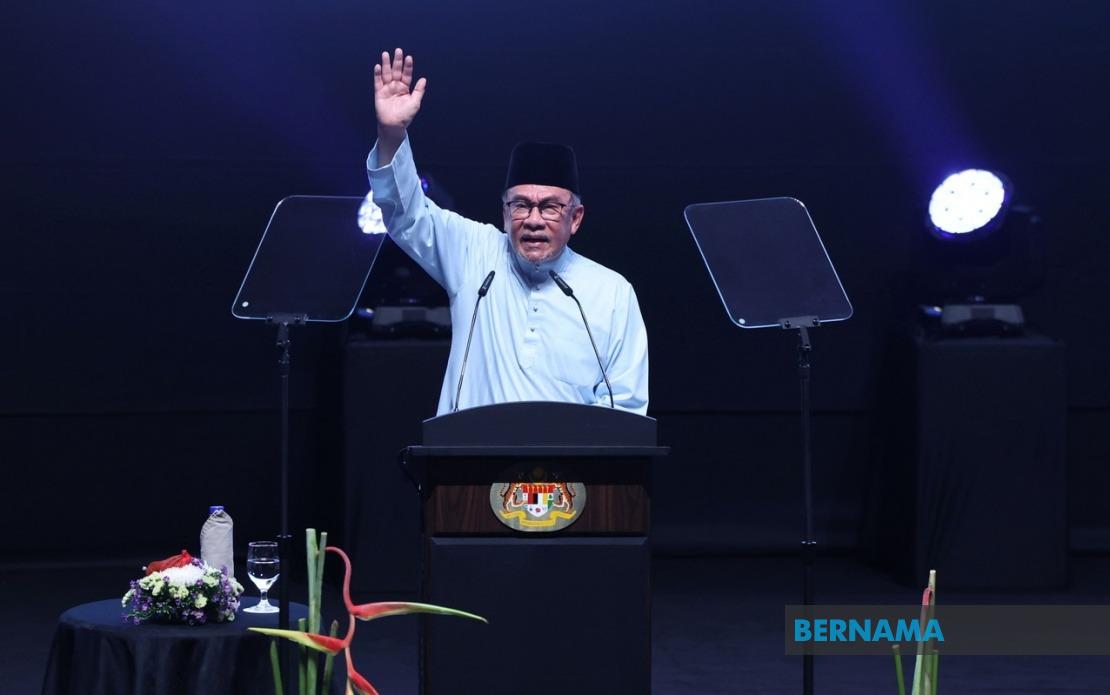
Malaysia's National Day celebration will take centre stage at the Putrajaya International Convention Centre (PICC) rather than the traditional Dataran Merdeka venue, with the Prime Minister's ceremonial address confirmed for 2 PM on August 31, the Ministry of National Unity announced on Thursday. The rescheduling reflects a significant adjustment to one of the country's most significant annual observances, signalling how environmental and weather considerations now factor into the planning of major state occasions.
The decision to relocate the ceremony from Kuala Lumpur's iconic Independence Square to Putrajaya stems directly from concerning haze concentrations forecast across multiple states. The Malaysian Meteorological Department had warned that high haze levels would persist in Johor, Melaka, Negeri Sembilan, Selangor, Kuala Lumpur and Putrajaya through the end of August, with Sabah experiencing deteriorating conditions as well. By shifting the venue indoors to the convention centre, authorities aim to mitigate health risks associated with air quality degradation while maintaining the ceremonial dignity of the occasion.
According to the Ministry of National Unity, the timing adjustment to 2 PM—rather than the originally planned timing—incorporates considerations extending beyond air quality alone. Officials stressed that public health and comfort, guest safety, and operational efficiency all informed the decision-making process. This multi-factorial approach reflects growing recognition within government that major public events must navigate complex environmental, logistical and health variables to protect attendees while fulfilling their symbolic functions.
The Prime Minister's address carries profound significance within Malaysia's national calendar, serving as a platform through which the government articulates its vision and values to the nation. For the MADANI administration, the 2026 ceremony represents an opportunity to reinforce its governance philosophy and reconnect with the citizenry around themes of independence, patriotism and national unity. The Ministry's statement emphasises how the occasion allows leadership to reflect on the aspirations driving government policy while inspiring renewed commitment to shared national goals.
The relocation to PICC, situated in the federal administrative capital, repositions National Day observance within a more controlled environment than the sprawling outdoor plaza of Dataran Merdeka. While traditionally the heart of Malaysian independence commemoration, Dataran Merdeka's outdoor character renders it vulnerable to environmental disruptions. The convention centre's climate-controlled facilities provide shelter and improved conditions for both the assembled dignitaries and general public attending the broadcast or in-person viewing, underscoring how infrastructure choices directly impact public participation in civic ceremonies.
The National Day and Malaysia Day 2026 Celebration Working Committee, operating under the Ministry of Communications, had initiated the venue change following meteorological forecasts, though the precise timing of the address ceremony was determined subsequently by the Ministry of National Unity. This inter-ministerial coordination demonstrates the complexity of orchestrating major national events, requiring alignment across multiple government portfolios to accommodate weather patterns, logistical demands and public welfare considerations. Such coordination, while necessarily administrative in nature, remains largely invisible to the public attending these ceremonies.
For Malaysians, particularly those in the most heavily affected states where haze has become a recurring concern during certain seasons, the relocation signals governmental acknowledgement of air quality as a legitimate factor in public event planning. Southeast Asia's recurring transboundary haze episodes, often attributed to agricultural burning in neighbouring countries, have increasingly compelled policymakers to accommodate environmental realities when scheduling outdoor activities. The National Day relocation exemplifies this broader pattern, where climate and environmental conditions now warrant proactive adjustment of longstanding traditions.
The Ministry's public invitation emphasises the inclusive character of National Day, framing the celebration as an opportunity for all Malaysians to gather regardless of background or community. The language of mutual understanding, respect and diversity embedded in the official statement reflects contemporary emphasis on social cohesion and national harmony. By maintaining the ceremonial importance of the Prime Minister's address while adapting its venue and timing, authorities aim to preserve the occasion's significance whilst demonstrating responsive, pragmatic governance that prioritises citizen welfare.
For Malaysian media and communications professionals, the venue shift underscores how media coverage of major state occasions increasingly requires flexibility regarding physical logistics and broadcast arrangements. The convention centre's controlled environment potentially offers advantages for media operations, with better lighting, sound management and broadcast infrastructure compared to outdoor venues vulnerable to weather fluctuations. These technical dimensions, though secondary to the ceremony's political and ceremonial functions, nonetheless shape how the National Day message reaches Malaysian households.
The rescheduled ceremony ultimately reflects broader adjustments in how Malaysian governance navigates environmental challenges whilst maintaining civic traditions. As transboundary air quality issues persist across Southeast Asia, government institutions will likely continue calibrating major public events around meteorological forecasts. The 2026 National Day observance serves as a practical demonstration that even deeply rooted ceremonial practices can accommodate contemporary environmental realities without diminishing their meaning or national importance. For Malaysian citizens, particularly those in haze-affected regions, such adaptations acknowledge lived experience while upholding the collective celebration of national independence.

