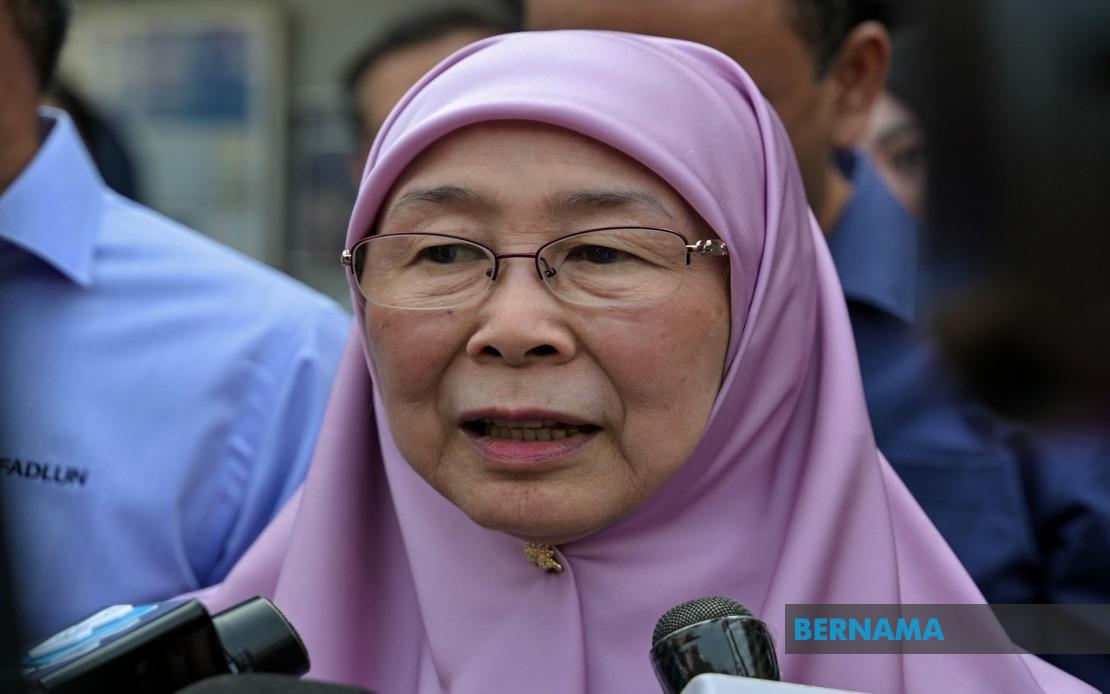
Prime Minister Datuk Seri Anwar Ibrahim is expected to leave hospital today after completing his recovery from an elective surgical procedure, according to an announcement by his wife Datuk Seri Dr Wan Azizah Wan Ismail. The confirmation came as the nation continued preparations for National Month celebrations, with Dr Wan Azizah sharing the positive update while attending the Semarak Merdeka programme organised by the Kuala Lumpur City Hall at its Bandar Tun Razak branch.
The Prime Minister underwent a laparoscopic surgical intervention on Monday to address a para-umbilical hernia, a condition affecting the abdominal wall near the navel. Laparoscopic procedures are minimally invasive operations utilising small incisions and specialised instruments, which typically result in shorter hospital stays and faster recovery periods compared to traditional open surgery. The choice of this surgical approach underscores modern medical practice in addressing such conditions whilst minimising physical trauma to the patient.
Dr Wan Azizah relayed that Datuk Seri Anwar Ibrahim expressed gratitude to all individuals who had offered prayers and well-wishes during his hospitalisation. The Prime Minister, often referred to as PMX in official communications, conveyed his appreciation through his wife to the Malaysian public and international community who had demonstrated concern for his health and swift recovery. Such gestures of acknowledgment from national leaders serve to reinforce the bonds between government and citizens during moments of personal vulnerability.
The timing of the Prime Minister's hospitalisation and recovery occurred against the backdrop of Malaysia's preparations for the 2026 National Month celebrations. The nation's leadership maintained its commitment to public engagement and symbolic national events even while managing the health situation, with Dr Wan Azizah's presence at the Semarak Merdeka programme demonstrating the continuity of governmental functions and ceremonial responsibilities during this period.
From a governance perspective, the incident highlights the importance of succession planning and institutional stability in ensuring that critical government operations continue uninterrupted. Malaysia's administrative machinery has demonstrated its capacity to function effectively during periods when the Prime Minister requires medical attention, a testament to the depth of institutional structures within the Malaysian government.
The para-umbilical hernia condition that prompted the surgical intervention is relatively common and typically requires elective surgical correction to prevent complications. The decision to address this condition through surgical means reflects prudent healthcare management, allowing the Prime Minister to return to full duties without the distraction or potential complications associated with an untreated hernia.
Public health communication around political leaders' medical conditions carries particular significance in Malaysia, where transparent updates help maintain public confidence and counter speculation. The straightforward announcement regarding the nature of the procedure and expected discharge timeline demonstrates a measured approach to such sensitive matters, balancing transparency with appropriate discretion.
The choice of laparoscopic surgery over traditional open procedures aligns with international best practices in contemporary medicine. This approach generally results in reduced postoperative pain, lower infection risk, and more rapid restoration of normal activities, factors particularly relevant for a serving head of government who maintains an demanding schedule.
As the Prime Minister prepares to resume his responsibilities, the episode underscores the importance of preventive and elective healthcare even among the nation's highest officials. The successful completion of the surgical procedure and the anticipated discharge today signal that Datuk Seri Anwar Ibrahim should be able to return to full executive duties without significant disruption to the government's legislative and administrative agenda. The Malaysian political establishment and public have demonstrated patience and understanding during this medical interlude, recognising the importance of ensuring their leader receives appropriate healthcare when necessary.
The incident also provides a reminder of the vulnerabilities that all individuals, regardless of position, face when it comes to health matters. Leadership continuity and institutional resilience have been tested and found adequate during this period, reinforcing confidence in Malaysia's governmental structures and succession protocols.

