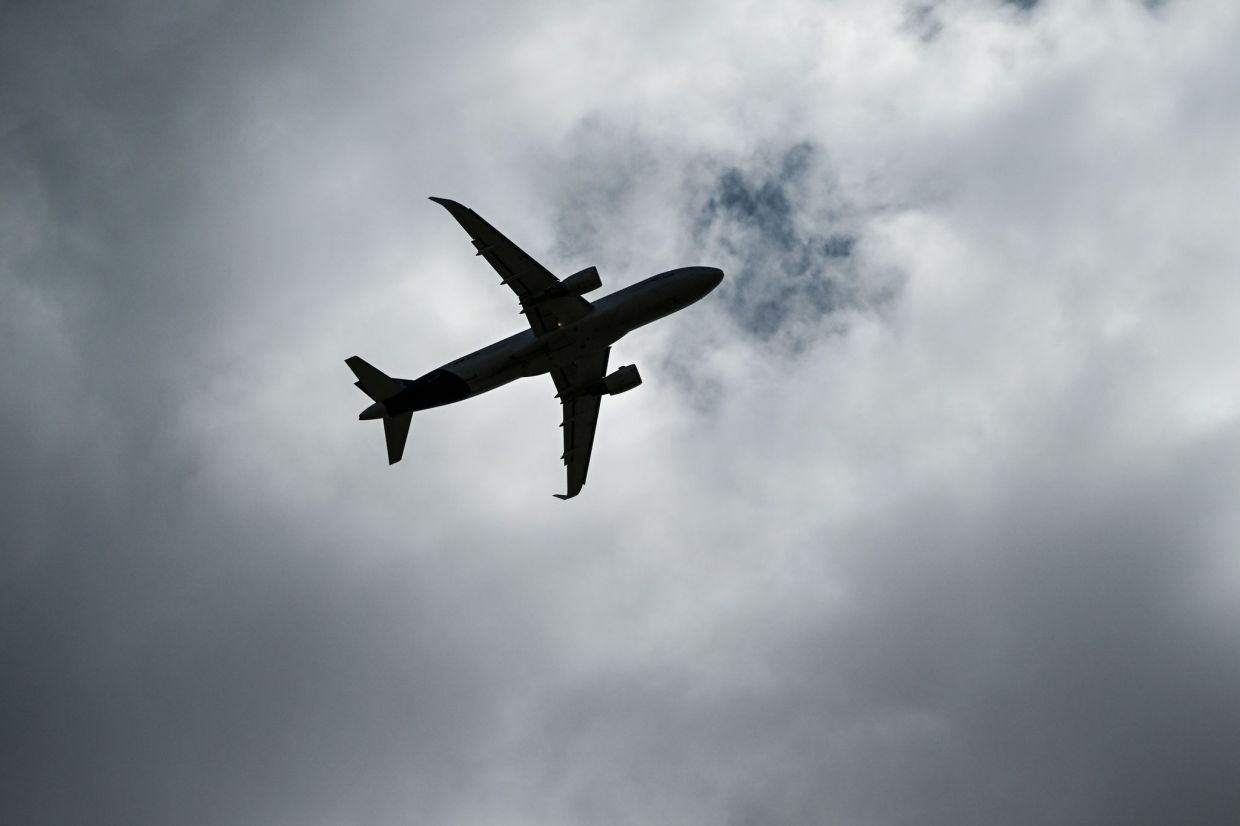
A flight operated by Swiss International Air Lines, a Lufthansa Group subsidiary, was forced to divert to Dublin on its transatlantic journey to Boston after a passenger's power bank began emitting smoke in the cabin. The 206 passengers aboard experienced an unscheduled landing that highlighted growing concerns about lithium battery safety on commercial aircraft, an issue that has intensified across the aviation industry in recent months.
The incident represents the second such occurrence involving electronic devices within a fortnight affecting carriers under the Lufthansa Group umbrella. These back-to-back episodes have underscored the unpredictable nature of lithium-ion battery failures at altitude, where fires spread more rapidly due to pressurised cabin conditions and limited firefighting resources. The airline has responded by reinforcing existing safety protocols that were already implemented at the start of 2026, though these measures clearly require greater passenger awareness and compliance.
According to Lufthansa's current regulations, power banks are prohibited from being used or charged during flights across all Group airlines. Passengers are permitted to carry a maximum of two units in their carry-on baggage only, and these devices must be kept in designated locations: the seat pocket, on the passenger's person, or under the seat in carry-on luggage. This restricted placement strategy aims to ensure that any thermal failure can be quickly identified and accessed by crew members before a fire spreads to surrounding materials and structural components.
The airline explicitly forbids storing power banks in checked baggage or overhead compartments, a distinction rooted in safety science. Checked cargo holds lack crew visibility and immediate access during flight, making battery fires potentially catastrophic. Similarly, overhead bins create dangerous scenarios where fires could spread through insulation materials and compromise aircraft structural integrity. Approved medical devices remain exempt from these restrictions, recognising that certain passengers depend on powered equipment for health and safety.
Power banks with capacities between 100 watt-hours and 160 watt-hours require pre-flight approval from the airline before boarding. This tiered approach reflects international aviation authority guidelines, which classify batteries by energy density. Larger capacity devices present proportionally greater thermal runaway risks, necessitating individual assessment before permitting their carriage. The regulation aligns Lufthansa Group with recommendations from multiple international civil aviation bodies that have recently tightened lithium battery transport rules following increasing incident reports worldwide.
The same stringent regulations apply to e-cigarettes and vaping devices, which contain similar lithium-ion cells prone to identical failure modes. E-cigarettes have been implicated in numerous aviation incidents, with the compact design and high energy density of vape batteries making them particularly hazardous when stored improperly or damaged. The consolidation of power bank and e-cigarette rules reflects lessons learned from incidents involving both device categories across different airlines and regions.
When the Swiss flight crew detected smoke, they activated an emergency signal to request landing priority, though this procedure differs from declaring a formal aircraft emergency. The distinction matters for aviation operations: the priority landing grants immediate airfield access without the full emergency response protocols triggered by life-threatening situations. Nevertheless, diverting a transatlantic flight over a single malfunctioning device demonstrates how seriously modern aviation treats potential fire risks at altitude, where evacuation options are nonexistent and fire suppression equipment is limited.
The 206 passengers experienced the disruption of being rerouted to Dublin, with Lufthansa arranging hotel accommodation and organising onward travel to their intended Boston destination. While no injuries were reported and the situation was contained, the incident imposed significant costs on both passengers and the airline, illustrating how individual negligence or device failure cascades through the transportation system.
This diversion followed a similar occurrence just weeks earlier when another Swiss International Air Lines flight from Zurich to New York made an emergency landing in Bangor, Maine, due to cabin smoke. That incident originated from a charging case for wireless headphones that had fallen between seats, where it became physically compressed and sustained damage sufficient to trigger thermal failure. The case damaged the battery internally, leading to smoke generation that crew members detected and addressed by landing immediately.
Both incidents underscore a critical education gap among air travellers. Many passengers remain unaware of airline-specific battery regulations or fail to properly secure electronic devices during flight. Devices rolling between seat rows and becoming trapped represent avoidable hazards that result from simple passenger negligence. Similarly, passengers unfamiliar with power bank restrictions may inadvertently pack prohibited items or use them during flight, creating preventable risks.
For Malaysian travellers and those across Southeast Asia flying with Lufthansa Group carriers including Swiss International Air Lines, Austrian Airlines, and Brussels Airlines, understanding these regulations before boarding is essential. Regional carriers have implemented comparable restrictions reflecting the same underlying safety science. The principle remains consistent: lithium batteries are powerful energy sources that demand careful handling and proper stowage throughout flight operations.
Airlines worldwide continue grappling with balancing passenger convenience against safety imperatives. Electronic devices have become indispensable to modern travel, yet their proliferation has introduced new risks requiring constant vigilance. Lufthansa Group's approach of clear rules combined with enforcement through crew training represents a reasonable middle ground, though effectiveness ultimately depends on passenger compliance and awareness.
The incidents also highlight ongoing challenges for aviation regulators and manufacturers. Battery technology continues advancing, but safety protocols haven't always kept pace with proliferation of high-capacity portable batteries in passenger cabins. Industry discussions are underway regarding enhanced detection systems, improved battery isolation methods, and clearer labelling standards. Until these measures mature, passenger education and strict compliance with airline rules remain the most reliable safety tools available.

