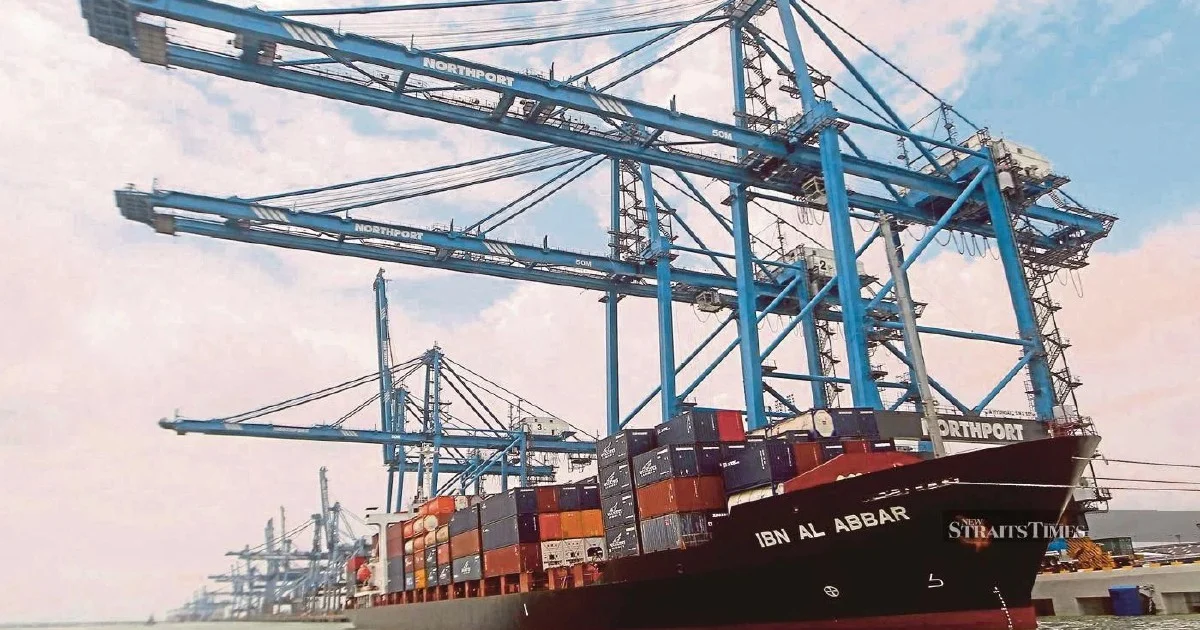
Malaysia's Transport Minister Anthony Loke has signalled that Port Klang 3, a significant expansion initiative for the country's primary maritime gateway, remains firmly within the development pipeline and could break ground within the current calendar year. However, the minister cautioned that the project's timeline is contingent upon successfully navigating administrative and property-related hurdles with the Selangor state government, which maintains jurisdiction over the land parcels required for the proposed facility.
The Port Klang 3 development represents a critical component of Malaysia's broader infrastructure modernisation strategy, designed to enhance the nation's port capacity at a time when regional maritime trade continues to expand. As Southeast Asia's busiest container port, Klang already handles approximately 12 million twenty-foot equivalent units annually, making capacity expansion essential to prevent congestion and maintain competitiveness against neighbouring ports in Singapore, Thailand, and Indonesia.
Loke's comments reflect the government's determination to move forward with the project despite the complexities that often accompany large-scale port infrastructure development. The minister's assertion that construction could commence this year suggests that preliminary planning phases and environmental assessments have progressed sufficiently to enable rapid progression once bureaucratic obstacles are cleared. This optimistic timeline indicates confidence within the transport ministry regarding the technical and regulatory readiness of the initiative.
The land issues flagged by Loke underscore a familiar challenge in Malaysian infrastructure development: coordinating between federal authorities overseeing ports and state governments controlling real estate. Port Klang, administered by Westports Holdings and operating under federal oversight, requires coordination with Selangor's land administration to secure the necessary space for expansion. Such coordination demands agreement on land acquisition costs, compensation for existing land users, and clarification of development rights across multiple stakeholders.
Resolution of these land matters carries implications extending beyond Port Klang. The efficiency with which Malaysia resolves such disputes will influence the speed of future infrastructure projects and set precedents for federal-state collaboration on economic development. Delays in this project could signal governance challenges that might deter foreign investment in other major initiatives, whilst swift resolution would demonstrate improved coordination between different levels of government.
From an economic perspective, Port Klang 3's development assumes heightened importance given Malaysia's strategic position in global supply chains. The port serves as a vital transhipment hub connecting East Asia with Middle Eastern and African markets. Expanding capacity here directly benefits not only Malaysia but regional traders across ASEAN who rely on Klang's infrastructure for distributing goods. Postponing the project risks allowing competing ports to capture market share and disrupt established trade patterns that favour Malaysian gateways.
The proposed expansion must also be contextualised within broader regional port development. Singapore's Port of Singapore Authority continues investing in automation and capacity enhancements, whilst Thailand's Laem Chabang port pursues modernisation initiatives. These neighbouring facilities represent alternative routing options for shippers, making timely expansion of Port Klang strategically important. Delays in development could gradually erode Klang's market position as shipping lines establish alternative patterns and relationships with competing port operators.
Loke's statement suggests the ministry has mapped out a clear pathway for overcoming the identified obstacles. The fact that he publicly specified a potential commencement date implies internal discussions with Selangor officials have yielded constructive dialogue rather than fundamental disagreement. This measured optimism indicates that outstanding land issues are administrative rather than ideological, likely resolvable through negotiation and potentially involving compensation arrangements satisfactory to affected parties.
The construction phase of Port Klang 3 will itself generate significant economic activity, including employment for engineers, construction workers, and logistics personnel. It will also stimulate demand for building materials and maritime equipment manufacturing. For suppliers and contractors across Malaysia and the broader region, the project represents a substantial commercial opportunity contingent upon timely commencement.
Investor confidence in Port Klang's future also depends on visible progress toward expansion. International shipping lines and logistics companies evaluate port investments based on demonstrated commitment to capacity enhancement. Delayed groundbreaking could prompt some operators to diversify their terminal operations across multiple ports, fragmenting Malaysia's competitive advantage. Conversely, prompt construction initiation reinforces Klang's position as a forward-thinking maritime hub committed to serving global trade growth.
As Malaysia positions itself to capture opportunities from global supply chain reconfiguration, particularly given regional trade tensions between major powers, port infrastructure assumes heightened strategic significance. Port Klang 3 represents not merely a commercial development but a statement regarding Malaysia's commitment to facilitating international commerce and supporting the broader regional economy. The minister's emphasis on maintaining momentum despite administrative complications reflects recognition of these broader strategic dimensions.

