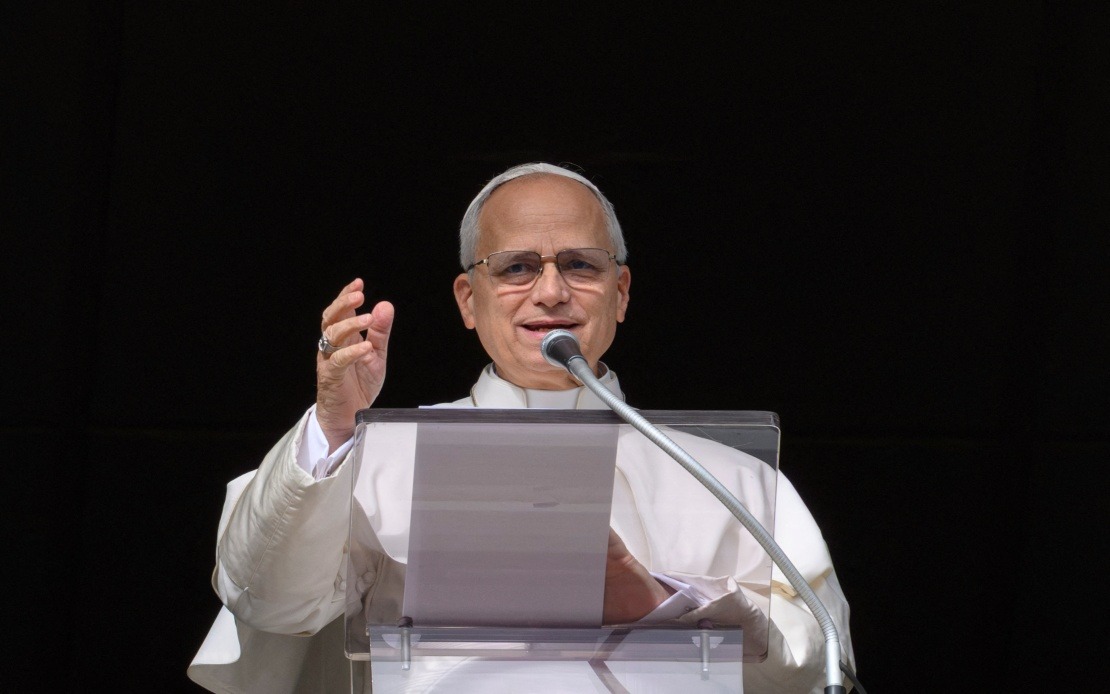
Pope Leo XIV has challenged a widespread assumption in technology circles that artificial intelligence can operate as a neutral tool, instead arguing that every AI system carries embedded moral dimensions reflecting the priorities and worldview of those who design it. Speaking through a social media post, the pontiff articulated a position that carries significant implications for how nations, including Malaysia, approach AI governance and implementation across public and private sectors.
The Pope's intervention into the AI ethics debate stems from a fundamental observation: that technology is never value-free. Rather than functioning as a blank slate that simply processes information according to mathematical rules, AI systems inherently crystallise the assumptions, classifications, and hierarchies of their creators. This insight challenges the often-heard claim among technology companies and policymakers that AI development can proceed along a purely technical path independent of ethical considerations. Such framing, the pontiff suggests, obscures the reality that choices about what data to include, how to weight different outcomes, and which groups to prioritise are themselves profound moral decisions that shape whose interests the system serves.
The pontiff emphasised that ethical scrutiny of artificial intelligence must penetrate far deeper than examining how the finished product is used. Instead, rigorous moral analysis should begin at the earliest design stages, scrutinising the foundational decisions about data collection, model architecture, and training methodologies. This reframing is particularly relevant for developing economies like Malaysia, where AI adoption is accelerating across sectors from finance to healthcare without always robust ethical frameworks guiding implementation. The Pope's argument suggests that importing AI systems developed elsewhere means also importing the values and assumptions embedded within them, raising questions about cultural fit and alignment with local priorities.
A particularly forceful element of the Pope's statement concerns the vision of humanity that becomes encoded into AI systems. He pointed out that the data used to train artificial intelligence models, along with the structural design of those models, inevitably project certain understandings of what humans are and how society should function. An AI system trained primarily on data from developed Western economies will embed assumptions about consumer preferences, family structures, work patterns, and social values that may not reflect or serve the needs of Southeast Asian populations. This becomes especially consequential when such systems inform consequential decisions affecting people's lives, from loan approvals to medical diagnoses to criminal justice assessments.
The pontiff's most pointed demand concerns establishing clear lines of accountability throughout the AI pipeline. He insisted that responsibility must be explicitly assigned at every stage of an AI system's life cycle, beginning with those who conceive and build the technology, extending through those who implement it for specific purposes, and encompassing those who rely on its outputs for decisions that affect others. This requirement for accountability creates practical challenges in Malaysia's regulatory environment, where fast-moving technology often outpaces the development of oversight mechanisms. Currently, no comprehensive framework exists to track who bears responsibility when an AI system produces discriminatory outcomes or fails in ways that harm people.
The pontiff further stressed the importance of creating mechanisms for identifying which actors must provide justifications for decisions made or influenced by AI, who monitors ongoing performance, and crucially, who possesses the authority and resources to challenge problematic outcomes and remedy resulting harms. This speaks to a significant gap in Malaysia's approach to AI governance, where regulatory institutions have not yet developed the technical expertise and legal authority necessary to conduct meaningful oversight of increasingly sophisticated systems. The challenge becomes more acute as Malaysian companies and government agencies integrate AI into critical functions from financial services to healthcare delivery.
These statements carry resonance beyond purely theological circles, influencing how religious institutions, civil society organisations, and values-driven businesses approach AI implementation. In Malaysia's context, where Islam shapes public discourse and policy on moral questions, the Pope's intervention provides a bridge for interfaith dialogue on technology ethics. Both Islamic and Christian traditions share concerns about human dignity and social justice, creating potential common ground for developing AI governance frameworks that reflect shared values rather than merely adopting Western-centric approaches uncritically.
The practical implications for Malaysia include several urgent considerations. Companies developing or deploying AI systems should conduct values audits examining what assumptions their systems embed about Malaysian society and whether those assumptions serve all communities equitably. Government agencies responsible for regulating financial services, telecommunications, and public administration should develop technical capacity to scrutinise AI systems for bias and misalignment with Malaysian constitutional values. Educational institutions should integrate AI ethics into computer science and engineering curricula, preparing the next generation of developers to consider moral implications alongside technical specifications.
The Pope's warning against moral neutrality also challenges Malaysian policymakers to think carefully about the kind of AI ecosystem they wish to build. Adopting wholesale the technological systems and governance approaches of other nations risks embedding foreign assumptions and priorities into the country's digital infrastructure. A more deliberate approach would involve establishing clear national principles about human dignity, community welfare, and social justice, then ensuring that AI systems developed for or deployed in Malaysia align with those principles through transparent governance structures and meaningful accountability mechanisms.

