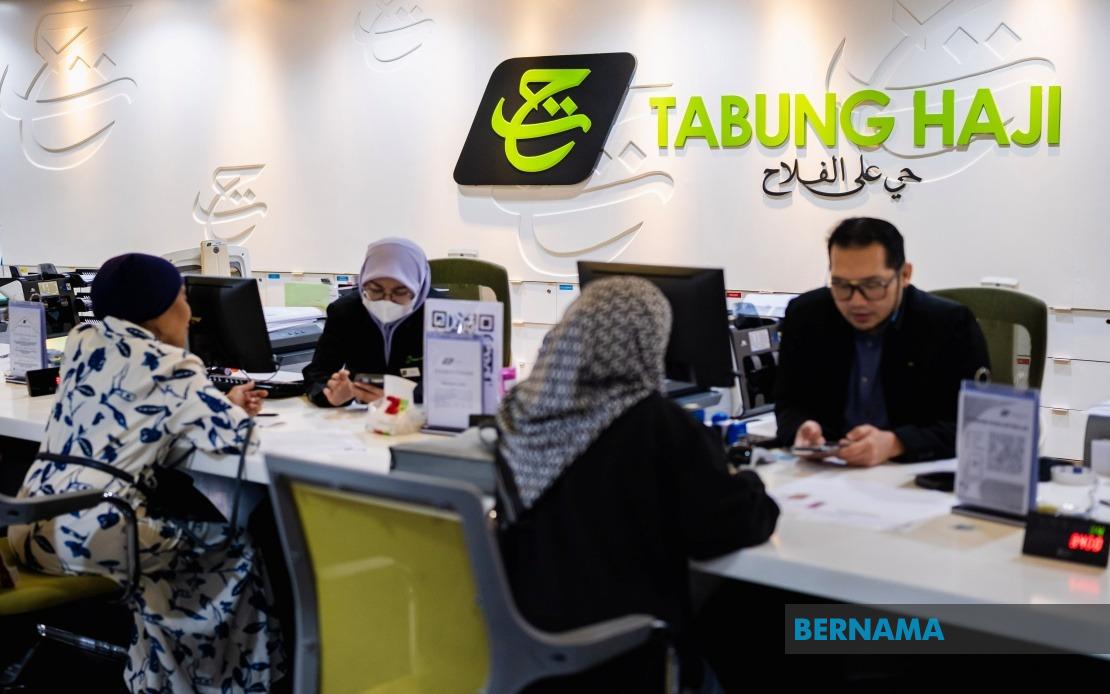
Rebuilding public trust in Tabung Haji depends critically on insulating the institution from political interference, according to academics and policy experts reviewing the hajj savings body's recovery progress. With more than three-quarters of the Royal Commission of Inquiry's management recommendations now in place, analysts argue that the next phase requires a fundamental shift in governance culture to prevent the kind of corporate failures that nearly derailed the pillar institution.
The financial and reputational damage inflicted on Tabung Haji stemmed largely from what multiple observers characterise as a systemic entanglement between political decision-making and professional management. What should have remained strictly administrative and investment-focused functions became instead subject to political pressure and appointments that prioritised patronage over competence. This blending of spheres has proven particularly corrosive for an organisation entrusted with the savings and religious obligations of Malaysia's Muslim majority.
Prof Dr Azmi Hassan from the Nusantara Academy for Strategic Research emphasises that confidence restoration remains unfinished business. He notes the contradiction inherent in current operations: while Tabung Haji formally answers to governance frameworks, nearly every significant decision continues to reflect political calculations. Even the recent tabling of RCI findings in Parliament underscores how the institution remains enmeshed in political theatre rather than functioning as a standalone financial entity. Without demonstrable independence, Hassan argues, neither depositors nor the broader Muslim community can reasonably be expected to view Tabung Haji as a safe repository for their savings and hajj aspirations.
The solution proposed by governance specialists involves appointing professionally qualified leaders explicitly severed from partisan political networks. Malaysia possesses no shortage of banking executives, investment professionals and administrators capable of stewarding such an institution with rigour and integrity. The barrier is not capability but political will—elected leaders and their appointees have historically been reluctant to cede control over an entity commanding hundreds of billions in assets and touching the lives of millions of Muslims.
Dr Mohd Amim Othman from Universiti Putra Malaysia points to successful models already operating within Malaysia's institutional landscape. The Employees Provident Fund and Permodalan Nasional Berhad demonstrate that large, consequential financial institutions can thrive precisely because they remain insulated from electoral cycles and factional politics. Both organisations attract top-tier talent and deliver competitive returns because professional managers can make decisions according to sound investment principles rather than political considerations. Tabung Haji should adopt similar structural safeguards, including reformed ministerial powers and enhanced board independence backed by stronger regulatory oversight.
The practical consequences of political interference have been extensively documented in the RCI findings. The Al-Rawda investment in Saudi Arabia, representing Tabung Haji's costliest loss, proceeded despite incomplete due diligence processes. From a purely professional standpoint, such a decision would never pass scrutiny—the investment risk profile could not be properly evaluated because essential information remained incomplete. Yet the transaction occurred nonetheless, illustrating how political imperatives can override sound risk management. Dr Saizal Pinjaman from Universiti Malaysia Sabah argues this pattern reveals why management independence, paired with robust accountability mechanisms, is not merely desirable but operationally essential.
Beyond governance architecture, Tabung Haji faces an urgent challenge in demographic sustainability. Contributions from existing members have declined noticeably following the crisis, a trend that threatens the long-term financial health of investment portfolios. Younger Malaysians, increasingly digital-native and investment-conscious, may view Tabung Haji as outmoded or damaged. Reversing this perception requires not just operational fixes but also renewed appeal through diversified products—including property investment options—presented by an institution demonstrably focused on member interests rather than extracting value for political networks.
Dr Noor Nirwandy Mat Noordin from Universiti Teknologi MARA emphasises that Tabung Haji must reclaim its cultural and religious significance in Malaysian Muslim identity. The institution represents far more than financial mechanics; it embodies Malaysian Islamic civilisation and heritage. The crisis damaged this symbolic function, transforming perceptions of Tabung Haji from guardian of sacred obligations into a vehicle for political opportunism. Restoring this standing requires sustained demonstration that the institution serves Malaysian society rather than narrower partisan interests.
Transparency mechanisms assume heightened importance in this rebuilding process. External expert engagement—bringing in independent voices on investment strategy, market incentives and economic positioning—can both improve decision quality and signal to depositors that professional considerations genuinely drive operations. Such moves cost little financially but yield significant returns in terms of institutional credibility and perceived independence. The commitment to transparency must extend through all operations, making clear how decisions are reached and why particular investment paths are chosen or rejected.
Implementing the RCI's full slate of recommendations represents necessary but insufficient work. Structural reforms to ministerial powers and board composition create the architecture for independence; but architecture alone does not guarantee independence if political actors continue asserting informal influence. The genuine test lies in the next two to three years of operations—whether management decisions reflect professional analysis or persistent political pressure. Depositors and the Malaysian Muslim community will be watching closely.
For Southeast Asian observers, Tabung Haji's trajectory carries broader implications. The crisis demonstrates the fragility of faith-based financial institutions when governance standards erode. Malaysia's Islamic finance sector, a regional leader, partly derives its credibility from institutions like Tabung Haji maintaining exemplary standards. Rehabilitation therefore matters beyond Malaysia's borders, affecting regional confidence in Islamic financial infrastructure more broadly. Should Tabung Haji successfully embed political independence as an operational norm, it could model best practices for similar institutions throughout Southeast Asia and the Muslim world.

