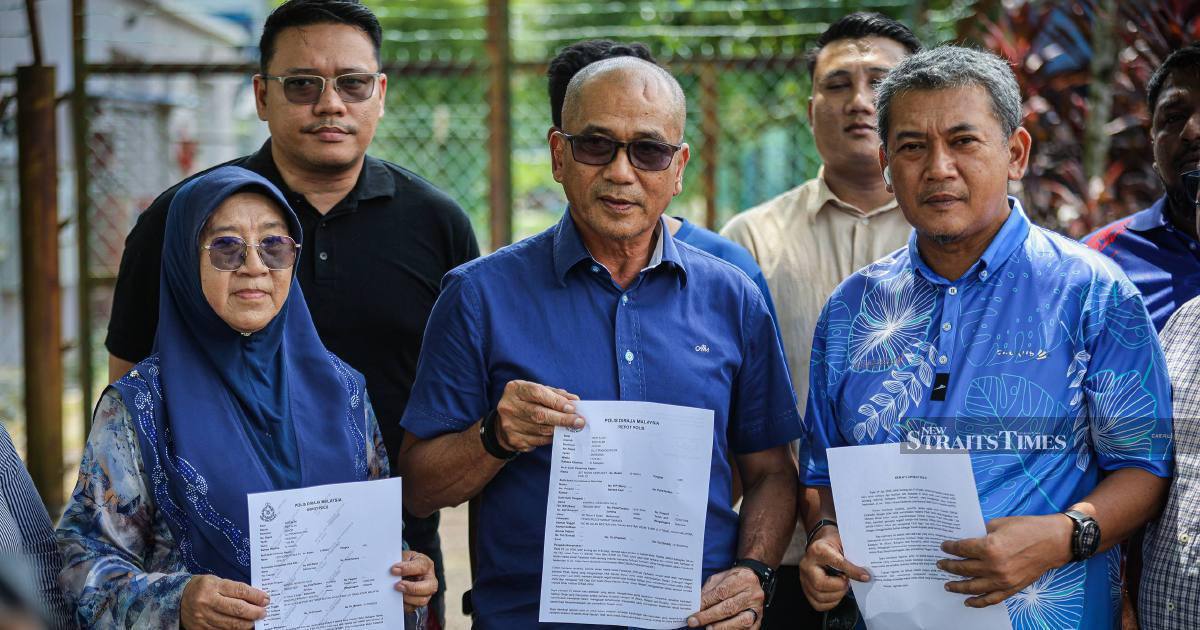
Senior Barisan Nasional figures in Johor have escalated their response to controversial claims made by Datuk Dr Mohd Puad Zarkashi by lodging formal police reports, marking a significant escalation in an internal party dispute that touches on the sensitive issue of royal involvement in state political affairs.
Puad, a former member of Umno's highest decision-making body, had levelled allegations implicating the Johor palace in party and governmental matters at the state level. These claims struck at the heart of delicate constitutional conventions governing the role of the sultanate in Malaysia's federal system, where the Johor royal institution wields considerable symbolic and, in some matters, executive authority.
The decision by multiple BN members to initiate police action represents an unusually formal response within party structures that have historically preferred resolving internal disagreements through private mechanisms or party discipline. This move suggests that the allegations, whether true or not, were deemed serious enough to warrant criminal investigation rather than contained within Umno's organizational framework. The calculus behind involving law enforcement speaks to concerns about reputational damage and the perceived gravity of Puad's statements.
For Malaysian political observers, this incident highlights the continuing tension between party interests and royal prerogatives in Johor's governance model. The state has long occupied a unique position within Malaysia's constitutional monarchy system, with the Johor sultanate maintaining considerable influence over state administration compared to other sultans. Politicians wishing to operate effectively at the state level must navigate this reality, and public allegations about undue palace influence risk embarrassing both the monarchy and the political establishment.
Puad's background as a former supreme council member gives his remarks particular weight within Umno circles, suggesting his criticisms emanate from someone with intimate knowledge of party operations rather than an outside commentator. This insider status makes his allegations harder to dismiss as uninformed speculation, which may explain why BN figures felt compelled to respond through formal channels rather than issuing routine denials.
The timing of these allegations and subsequent police reports warrants consideration. Internal party tensions often surface during periods of leadership transitions, electoral cycles, or factional realignment. In Johor's context, where state elections could be called at any point before 2028, and where recent years have seen significant shifts in party dominance and coalition configurations, such disputes reflect broader jockeying for position and influence.
From a Southeast Asian perspective, this incident demonstrates how constitutional monarchies in the region continue to navigate questions about the proper sphere of royal influence in modern democratic systems. While Thailand and Cambodia have experienced dramatic interventions by military-backed institutions, Malaysia's experience has generally involved more subtle exercises of influence. The Johor case illustrates how these boundaries remain contested and occasionally erupt into public view.
The police investigation process itself presents interesting implications. Law enforcement inquiries into allegations about palace involvement touch on sensitive constitutional matters, requiring investigators to balance proper investigative procedures against respect for the institution of the monarchy. How authorities handle such reports sets precedent for future cases where public figures make claims about royal interference in political matters.
For Malaysian voters and political observers, particularly those in Johor, this episode raises important questions about transparency and accountability in state governance. The public filing of police reports rather than quiet resolution suggests fundamental disagreement among political figures about whether certain allegations warrant investigation or should remain behind closed doors. This divergence itself reveals fractures within the governing coalition.
The broader implications extend to the state's administrative integrity. If palace influence over political appointments, budgetary allocations, or policy decisions is occurring without constitutional authorization, this represents a governance concern transcending party politics. Conversely, if such allegations are baseless, they still damage public confidence in state institutions and require proper rebuttal and, potentially, corrective action against those spreading false information.
Umno's position as the dominant party in Johor means internal conflicts directly affect state governance quality and legitimacy. When senior figures publicly air grievances about constitutional proprieties, the party's ability to function as a cohesive governing force comes into question. The police report mechanism, therefore, becomes not merely a legal matter but a test of institutional resilience.
Moving forward, the investigation's findings and any subsequent actions will likely shape how Malaysian politicians, particularly in Johor, navigate discussions about royal involvement in political processes. A conclusive finding could either vindicate Puad's concerns or provide grounds for stronger action against him. Either way, the incident underscores that Malaysia's constitutional monarchy, while generally stable, remains subject to periodic scrutiny about the boundaries between ceremonial and substantive power.

