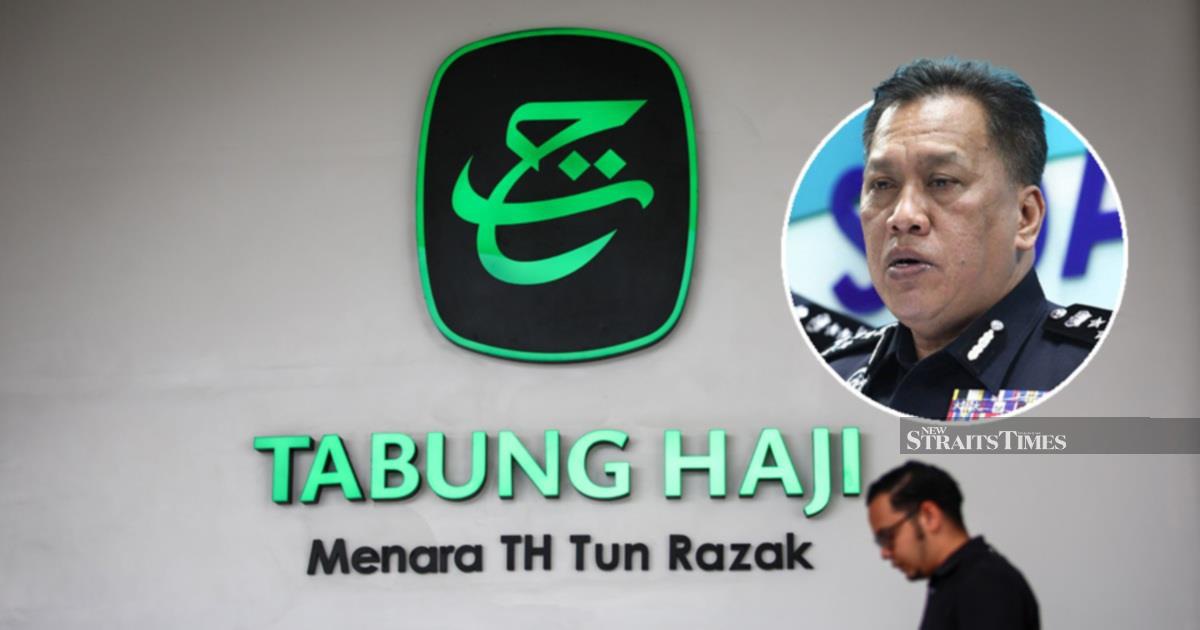
Malaysia's police force has broadened its investigative scope into the Lembaga Tabung Haji (TH) scandal by compiling testimony from 134 witnesses, marking a significant expansion of the probe that now extends well beyond the original Royal Commission of Inquiry conclusions. The latest batch of witness statements represents an intensification of efforts to uncover the full extent of irregularities highlighted in the RCI report, with authorities recently calling in ten additional witnesses for questioning in what observers view as a critical phase of the inquiry.
The Royal Commission of Inquiry into Tabung Haji's operations unearthed substantial governance failures and financial mismanagement within the Islamic pilgrimage fund management body, prompting law enforcement to translate the commission's findings into a comprehensive criminal investigation. Police activity around the matter has gathered momentum as investigators work through the complex web of transactions, approvals, and decision-making processes that the RCI identified as problematic. The systematic collection of witness accounts represents police attempts to establish clear chains of culpability and document how institutional safeguards failed to prevent the alleged misconduct.
Tabung Haji, as Malaysia's official body managing the pilgrimage savings of millions of Muslim Malaysians, occupies a position of deep public trust and religious significance. The organisation has traditionally served as a financial institution exclusively designed to assist Malaysians in fulfilling the Islamic pillar of hajj through dedicated savings accounts and investment vehicles. Any breach of this trust resonates far beyond mere financial impropriety, affecting the religious obligations and personal aspirations of ordinary Malaysians who have entrusted their pilgrimage funds to what they believed was a secure, ethically-managed institution.
The RCI's examination of Tabung Haji's operations revealed concerning patterns regarding investment decisions, governance oversight, and accountability mechanisms. The commission's report served as the evidentiary foundation upon which police have structured their witness interviews, using the inquiry's investigative work as a roadmap for identifying individuals with direct knowledge of contested transactions and questionable management decisions. This layered approach—first through the judicial commission, then through criminal investigation—enables authorities to develop complementary documentation and testimony that may ultimately support prosecutorial action.
The involvement of ten newly summoned witnesses suggests that investigators have been actively pursuing fresh leads and identifying individuals whose roles in TH's operations had not been initially captured in police records. These individuals may include lower-level staff members who witnessed irregularities, external contractors who participated in disputed projects, or financial professionals who facilitated transactions later deemed problematic. Each additional witness provides another perspective on the institutional culture and decision-making processes that allowed governance failures to occur unchecked within the organisation.
For Malaysian citizens, many of whom hold personal savings accounts with Tabung Haji, the police investigation carries significant practical implications. Concerns about the safety and recovery of invested funds, combined with questions about management accountability, have created anxiety within the pilgrimage community. The systematic gathering of witness testimony signals that authorities are treating the matter with appropriate seriousness, though the investigative process itself creates periods of uncertainty regarding both the full scope of losses and timelines for potential remedial action.
The complexity of Tabung Haji's structure and investment portfolio means that police must navigate intricate financial documentation and specialised knowledge to properly establish misconduct. Witnesses with accounting expertise, compliance backgrounds, or board-level involvement represent crucial sources of information who can explain how specific decisions were made, what alternatives existed, and whether proper procedures were bypassed. The concentration on statement-taking suggests police are still in the evidence-gathering phase rather than preparing immediate prosecutions.
Regional observers have noted that governance scandals within financial institutions managing religious or community assets are particularly damaging to public confidence across Southeast Asia. Malaysia's experience with Tabung Haji carries implications for how other nations manage similar funds and the institutional checks required to prevent mismanagement of resources entrusted to governments or government-linked bodies. The investigation's thoroughness may establish either reassuring precedents or sobering examples for other regional Islamic financial institutions facing similar scrutiny.
The police investigation timeline remains uncertain, though the collection of witness statements from such a substantial pool indicates that investigators expect to require several months to complete the foundational investigative work. Following the evidence-gathering phase, authorities will need to conduct detailed forensic analysis of financial records, cross-reference testimony against documentary evidence, and prepare case files for potential prosecution. The expansion to 134 witnesses demonstrates police commitment to building a comprehensive factual record that can withstand legal scrutiny, even as it inevitably extends the period before accountability measures may materialise for individuals identified as responsible for Tabung Haji's failings.

