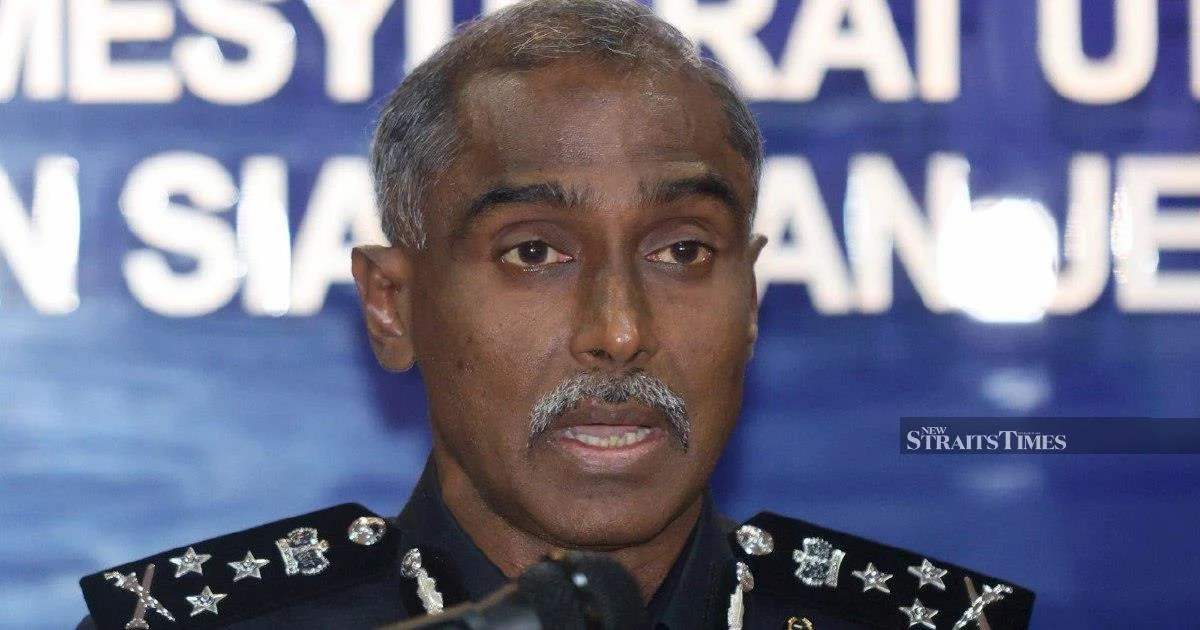
Police in Selangor concluded a four-day integrated enforcement operation that culminated in the arrest of 349 suspects, marking a significant blow against organised crime networks and wanted persons across the state. Among those apprehended were five individuals wanted under the Security Offences (Special Measures) Act 2012, known as Sosma, reflecting the scope and seriousness of the operation that combined resources and intelligence from multiple law enforcement divisions.
The coordinated crackdown underscores the ongoing commitment by the Royal Malaysia Police to dismantle criminal syndicates and apprehend fugitives who have evaded capture. The integrated approach, which pooled personnel and operational capabilities from various units, allowed authorities to mount simultaneous enforcement actions across multiple locations in the state, significantly amplifying the impact compared to routine policing efforts. The inclusion of Sosma suspects within the haul indicates that security-related offences formed a component of the broader criminal landscape being targeted.
Sosma allows authorities to detain individuals suspected of offences relating to national security, terrorism, and related subversive activities without immediately bringing charges, providing law enforcement with extended investigation periods. The arrest of five individuals under this legislation suggests that the police action extended beyond conventional organised crime concerns to include threats deemed to affect internal security. This aspect of the operation demonstrates coordination between conventional criminal investigation units and security-focused divisions within the force.
The scale of the operation—349 arrests over a concentrated four-day period—reflects the density of criminal activity within Selangor, which remains a major hub for organised crime due to its geographic proximity to Kuala Lumpur and the Klang Valley's urban complexity. The state continues to experience high incidence of commercial crime, gang-related violence, and human trafficking networks, challenges that require periodic intensive operations to disrupt criminal momentum. The timing and execution of this sweep suggests that police intelligence operations had identified concentrations of wanted persons and criminal networks ripe for disruption.
Integrated operations of this type represent a departure from conventional policing, which typically operates on constrained schedules and reactive response patterns. By deploying resources in a coordinated, intelligence-led fashion across a fixed timeframe, authorities can overwhelm criminal networks' adaptive capacity and create disruption that extends beyond immediate arrests. Such operations often generate secondary intelligence that feeds into longer-term investigations targeting higher-level organisers and financiers of criminal enterprises.
The security angle represented by the Sosma arrests distinguishes this operation from routine crime enforcement and suggests that criminal networks may have intersected with or provided resources to individuals engaged in security-threatening activities. This convergence between conventional organised crime and security threats remains an evolving concern in Southeast Asia, where transnational criminal syndicates occasionally coordinate with or provide cover for ideological actors. The police emphasis on this component signals heightened vigilance around such connections.
From a regional perspective, Selangor's experience mirrors broader patterns across Southeast Asia where rapid urbanisation and economic development create conditions favourable for organised crime expansion. Thailand, Indonesia, and Philippines law enforcement agencies have similarly conducted large-scale sweeps targeting criminal networks and security threats, often with comparable arrest figures. The Malaysian operation reflects a professional standard of enforcement activity increasingly adopted across the region.
The arrest figures themselves require contextualisation within the broader criminal justice landscape. Large-scale arrest operations frequently result in detention of lower-level operatives and individuals wanted for relatively minor offences, with conviction rates on serious charges often considerably lower than arrest numbers. The 349 arrested will now require processing through the justice system, with outcomes ranging from bail release to prosecution for various offences. The Sosma cases will likely proceed through security-focused investigative channels with extended timelines.
For Malaysian citizens and businesses in Selangor, such operations provide temporary respite from criminal harassment and contribute to the perception of police effectiveness, though sustainable crime reduction requires longer-term strategies addressing root causes. The enforcement approach remains necessary but represents only one element of comprehensive crime prevention. Follow-up operations and continued intelligence gathering will determine whether the disruption achieved proves durable or merely forces criminal networks into temporary dormancy.
The operation's success in apprehending Sosma suspects particularly demonstrates police capacity to identify and capture individuals considered security threats before imminent incidents occur. This preventive enforcement approach reflects international best practices in counterterrorism and national security policing, positioning Malaysia within the broader global counterterrorism framework. The sustained nature of such operations indicates that authorities view organised crime and security threats as sufficiently serious to warrant periodic intensive interventions rather than routine patrols alone.

%22%2F%3E%3C%2Fpattern%3E%3C%2Fdefs%3E%3Crect%20width%3D%22100%25%22%20height%3D%22100%25%22%20fill%3D%22url(%23ph5dsj2g)%22%2F%3E%3Crect%20width%3D%22100%25%22%20height%3D%22100%25%22%20fill%3D%22url(%23ph5dsj2p)%22%2F%3E%3Ctext%20x%3D%2250%25%22%20y%3D%2250%25%22%20text-anchor%3D%22middle%22%20dominant-baseline%3D%22central%22%20fill%3D%22rgba(255%2C255%2C255%2C0.95)%22%20font-family%3D%22Georgia%2C%20'Times%20New%20Roman'%2C%20serif%22%20font-weight%3D%22700%22%20font-size%3D%22320%22%20letter-spacing%3D%22-0.02em%22%3EMUDA%3C%2Ftext%3E%3C%2Fsvg%3E)