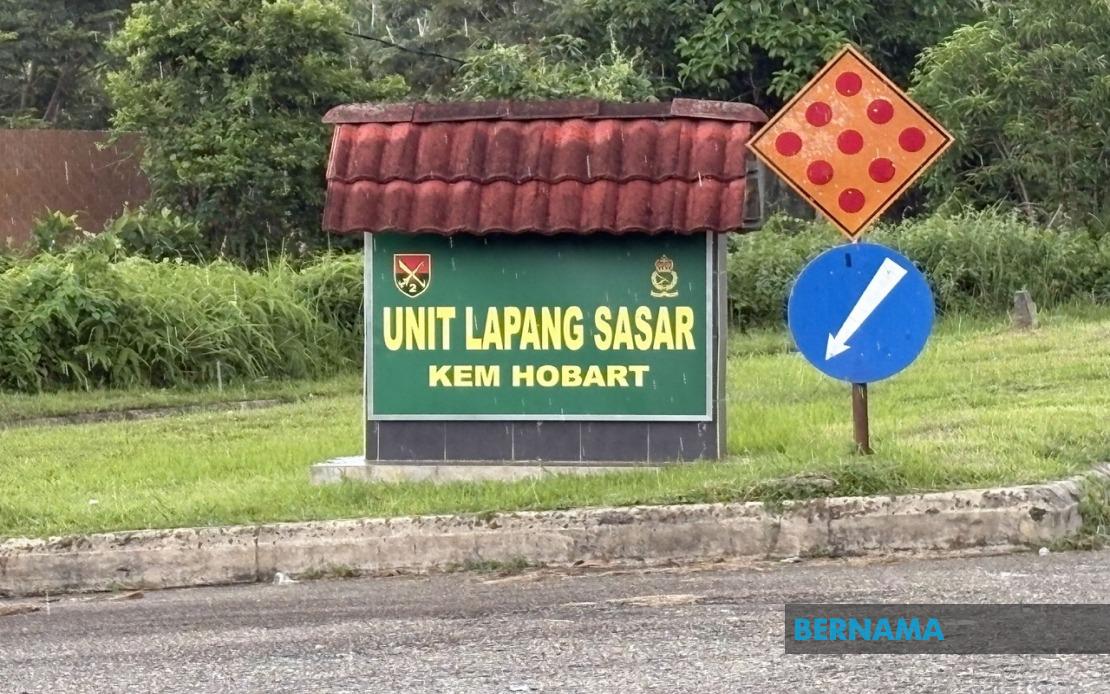
An explosion during a routine military training exercise at Hobart Camp in Gurun has claimed the lives of two Malaysian Army personnel, prompting authorities to open a formal investigation into the incident. The tragedy occurred on June 16 during a grenade-throwing exercise, with police now systematically gathering evidence and witness accounts to establish what went wrong. Kuala Muda police chief ACP Hanyan Ramlan confirmed that officers have classified the matter as a sudden death report investigation, with plans to interview all individuals present at the scene to reconstruct events leading up to the blast.
The two soldiers killed have been identified as Corporal Norazmi Abu Bakar, attached to the Sixth Battalion of the Royal Malay Regiment, and Private Siti Khadijah Sungip, serving with the First Squadron of the Royal Malaysian Engineers Regiment. Both were participating in the Combat Enhancement Training programme organised by the First Squadron of the Royal Malaysian Engineers Regiment under the Second Infantry Division when the incident unfolded. They sustained severe injuries from the explosion and were immediately transported to Sultan Abdul Halim Hospital in Sungai Petani, where they were pronounced dead while in transit. The timing of the incident—occurring at approximately 10:57 am—allowed medical personnel to respond quickly, though efforts to save the soldiers ultimately proved unsuccessful.
The Malaysian Army released an official statement confirming that the explosion happened during a grenade-throwing exercise, a standard component of combat training designed to familiarise personnel with explosive devices and proper handling procedures. Such exercises are integral to military readiness and are typically conducted with strict safety protocols in place. The fact that this training programme is mandatory for soldiers underscores the critical nature of investigating what caused these established safety measures to fail. The involvement of the Royal Malaysian Engineers Regiment, a unit specialising in combat engineering and explosive ordnance operations, adds particular significance to the incident, as personnel in this field are expected to have heightened awareness of explosive hazards.
ACP Hanyan Ramlan outlined the investigative approach during a briefing at the Forensic Department of Sultan Abdul Halim Hospital, emphasising the comprehensive nature of the inquiry. Police will secure cooperation from multiple agencies and conduct thorough examinations of the training site to gather physical evidence that might shed light on the cause of the explosion. The decision to record formal statements from witnesses represents standard investigative procedure for incidents of this magnitude, with each account potentially providing crucial details about the circumstances immediately preceding the blast. Officers will likely focus on understanding whether the explosion resulted from improper handling, equipment malfunction, or another unforeseen factor.
The postmortem examinations of both soldiers have been scheduled at Sultanah Bahiyah Hospital in Alor Setar, a step that will help establish the precise nature and extent of their injuries while supporting the criminal investigation. Medical findings from the autopsies will complement the physical evidence gathered at Hobart Camp, creating a comprehensive picture of what transpired. This multi-faceted investigative approach reflects the serious nature of the incident and the military's commitment to understanding how two trained personnel lost their lives during what should have been a controlled training environment.
For the Malaysian military establishment, this incident raises uncomfortable questions about training safety protocols and risk management procedures. While soldiers accept inherent dangers as part of military service, deaths during peacetime training exercises represent a failure of the systems designed to minimise preventable harm. The investigation will likely scrutinise whether proper safety distances were maintained, whether equipment was maintained to specification, and whether supervisory personnel were positioned appropriately to monitor the exercise. Such findings could lead to revised procedures across military training programmes nationwide, potentially affecting how the armed forces conduct similar exercises in future.
The tragedy also highlights the human cost of military preparedness. Corporal Norazmi Abu Bakar and Private Siti Khadijah Sungip were serving their country in a peacetime capacity, engaged in routine training exercises designed to enhance combat readiness rather than respond to immediate threats. Their deaths, occurring during what should have been a controlled and supervised activity, will likely resonate throughout the Malaysian military community and raise broader discussions about occupational safety in the armed forces.
From a procedural standpoint, the classification of this incident as a sudden death report investigation indicates that police are treating it as an unexplained fatality requiring thorough investigation before conclusions can be drawn. This approach differs from immediate determinations of cause and reflects the seriousness with which authorities regard the matter. The commitment to gather comprehensive witness statements demonstrates recognition that multiple perspectives will be necessary to understand the sequence of events that led to the explosion.
The investigation process will likely take considerable time, as authorities balance the need for thoroughness with sensitivity towards the affected families and military units. Any findings could have implications for how training exercises are conducted across the Malaysian Armed Forces and potentially influence military safety standards more broadly. The inquiry represents not only a search for facts about this specific incident but also an opportunity to identify and rectify systemic issues that might prevent similar tragedies in future.