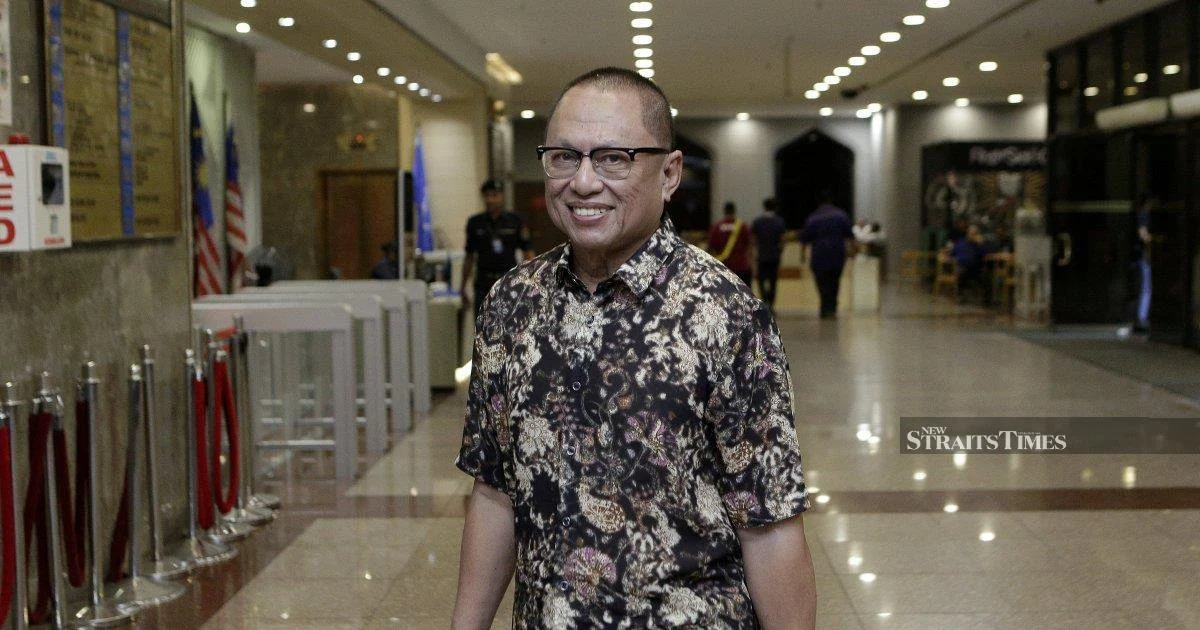
Police have initiated a formal investigation into remarks attributed to former Umno veteran Datuk Dr Mohd Puad Zarkashi posted on social media platforms, prompted by an unprecedented wave of public complaints. The scale of public concern is evident in the number of reports filed: 153 separate complaints have been registered across police stations nationwide, signalling widespread disapproval of the statements and underscoring the sensitivity surrounding the matter.
The decision to open a formal probe represents a significant escalation in the controversy, moving the issue beyond social media discourse into the realm of law enforcement scrutiny. Police authorities in Johor Baru confirmed the investigation launch, indicating that the matter has reached a threshold that warrants official police involvement. The sheer volume of complaints—spread across multiple states and police jurisdictions—suggests that the alleged statements have generated considerable public reaction well beyond political circles.
Puad Zarkashi, a seasoned figure within Umno circles with decades of political experience, has previously been a prominent voice within the party. His engagement on social media represents a shift in how established political figures communicate directly with the public, bypassing traditional media filters. However, this directness also exposes such statements to immediate public scrutiny and reaction, as evidenced by the coordinated filing of complaints nationwide.
The nature of the allegations remains closely tied to the "3R" terminology referenced in the complaint reports, which appears to have struck a particular nerve among significant segments of the Malaysian public. The filing of 153 reports in a single day demonstrates organized dissatisfaction rather than sporadic complaints, suggesting concerted civic action. This coordinated response indicates that multiple groups or constituencies felt sufficiently concerned to take formal action through the police reporting system.
From a procedural standpoint, the investigation will likely examine the exact wording of the social media posts, the context in which they were made, and whether they contravene any existing laws or regulations governing political speech and public conduct. Police will need to determine the factual basis of allegations and establish whether any specific provisions of legislation have been breached. Such investigations into political figures' statements have become increasingly common as Malaysian law enforcement navigates the intersection of free speech, political discourse, and public order.
The incident reflects broader tensions within Malaysia's political landscape regarding what constitutes acceptable political communication, particularly when statements are perceived to reference divisive concepts or potentially inflammatory interpretations. The response from the public—through the filing of numerous police reports—demonstrates that significant sections of society maintain sensitivities around certain political narratives and public statements by political figures.
For Umno, the matter presents a delicate situation. As a major political party central to Malaysian governance and opposition dynamics, any controversy involving senior figures generates internal party implications alongside public relations challenges. The filing of 153 reports represents external pressure on party leadership to address or respond to the controversy formally. This could influence internal party mechanisms and public positioning on the issue.
The investigation also carries implications for how Malaysian politicians will calibrate their social media presence and messaging. High-profile investigations into political figures' statements create precedents and establish boundaries of acceptable discourse, both formally through legal mechanisms and informally through public and peer reaction. Other political figures will likely observe the progression of this investigation as an indicator of what constitutes acceptable limits of political speech in the contemporary Malaysian context.
From a broader Southeast Asian perspective, Malaysia's approach to investigating statements by political figures reflects regional patterns of increasing police and regulatory scrutiny of political discourse. The region has witnessed growing tensions between protecting free speech and maintaining public order, with different countries adopting varying approaches. Malaysia's response through formal police investigation sits within this regional context of evolving standards for political communication.
The investigation's outcome will likely extend beyond the immediate case. It may set precedents for how similar complaints are handled, what standards apply to political figures' statements on social media, and how extensive public complaints translate into investigative action. The 153 reports, while significant in raw numbers, will need to be assessed by police in terms of their legal merit and the specific alleged breaches they describe.
Political observers will be monitoring both the investigation's progress and any official responses from Puad Zarkashi or Umno leadership. The timing and manner of any public statement could influence public perception and potentially affect broader political calculations within the party and among voters. The incident underscores how social media has fundamentally altered the pace and scope of political controversy in Malaysia, enabling rapid mobilization of public complaint mechanisms.
Ultimately, this case illustrates the evolving relationship between political speech, social media, police investigation, and public accountability in contemporary Malaysia. As police progress with their investigation, attention will focus on what findings emerge, what charges or conclusions result, and how this precedent shapes future political communication in the country. The unprecedented volume of complaints reflects genuine public concern that has now entered the formal law enforcement system, establishing the matter as one of genuine national interest requiring official resolution.

